
You May Have Missed

Fighting disputes in multi-dog households: How to rebuild hierarchy and peace within the home.
Welcome, dedicated dog owner. If the sound of snarling and the sight of clashing fur has replaced the peaceful coexistence you envisioned for your multi-dog home, you are not alone, and more importantly, there is a clear path forward. As a canine content creator and SEO expert, I have delved deep into the science of dog behavior and the art of creating harmony. The urgency you feel to restore peace is valid—chronic stress from conflict deteriorates the health and wellbeing of every being in the home. This comprehensive guide moves beyond vague advice to provide you with actionable, sequential strategies to dismantle conflict, rebuild a stable hierarchy, and foster lasting tranquility. Let's transform your home from a battleground back to a sanctuary.

Quick Method for Establishing a Fixed Toileting Habit: How to Build a Conditioned Reflex Using Inducers and Rewards
House training. For many new dog owners, these two words conjure feelings of frustration, confusion, and the unmistakable scent of enzymatic cleaner. The cycle of guessing, accidents, and failed schedules can test the bond with your new companion. But what if the key wasn't just more frequent trips outside, but smarter communication? What if you could build a reliable, almost automatic habit in your dog? The solution lies not in scolding, but in leveraging the simple, powerful principles of behavioral psychology. This guide outlines a quick method for establishing a fixed toileting habit by constructing a clear conditioned reflex using two precise tools: the inducer and the reward. It’s a method that transforms you from a cleaner to a coach, forging a partnership built on clarity and positive reinforcement.
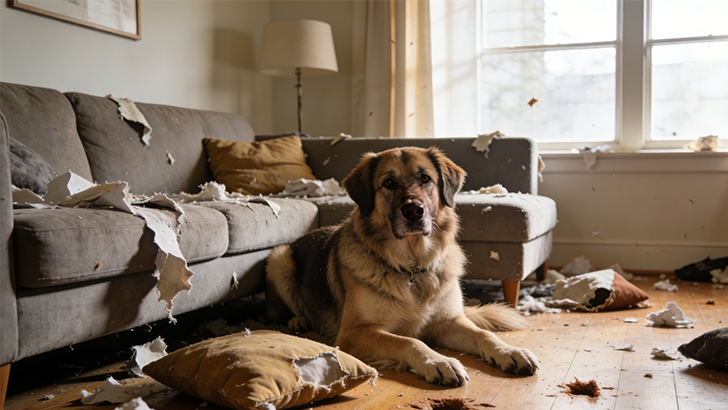
The Science of Home Destruction: Is it High Energy or Extreme Boredom?
You walk through the front door after a long day, and your heart sinks. The living room looks like a confetti bomb went off—shredded cushions, disemboweled pillows, and the leg of your favorite chair now a gnawed sculpture. Your canine companion greets you with a wagging tail and innocent eyes, oblivious to the carnage. Sound familiar? 🐾 This scene plays out in homes daily, leaving frustrated owners asking one burning question: “Why does my dog do this?” Is it a simple case of a hyperactive, high-energy dog, or is it a cry for help from a deeply bored mind? This article delves into the behavioral science behind the wreckage, separating myth from fact and providing a clear roadmap to peace and intact furniture.
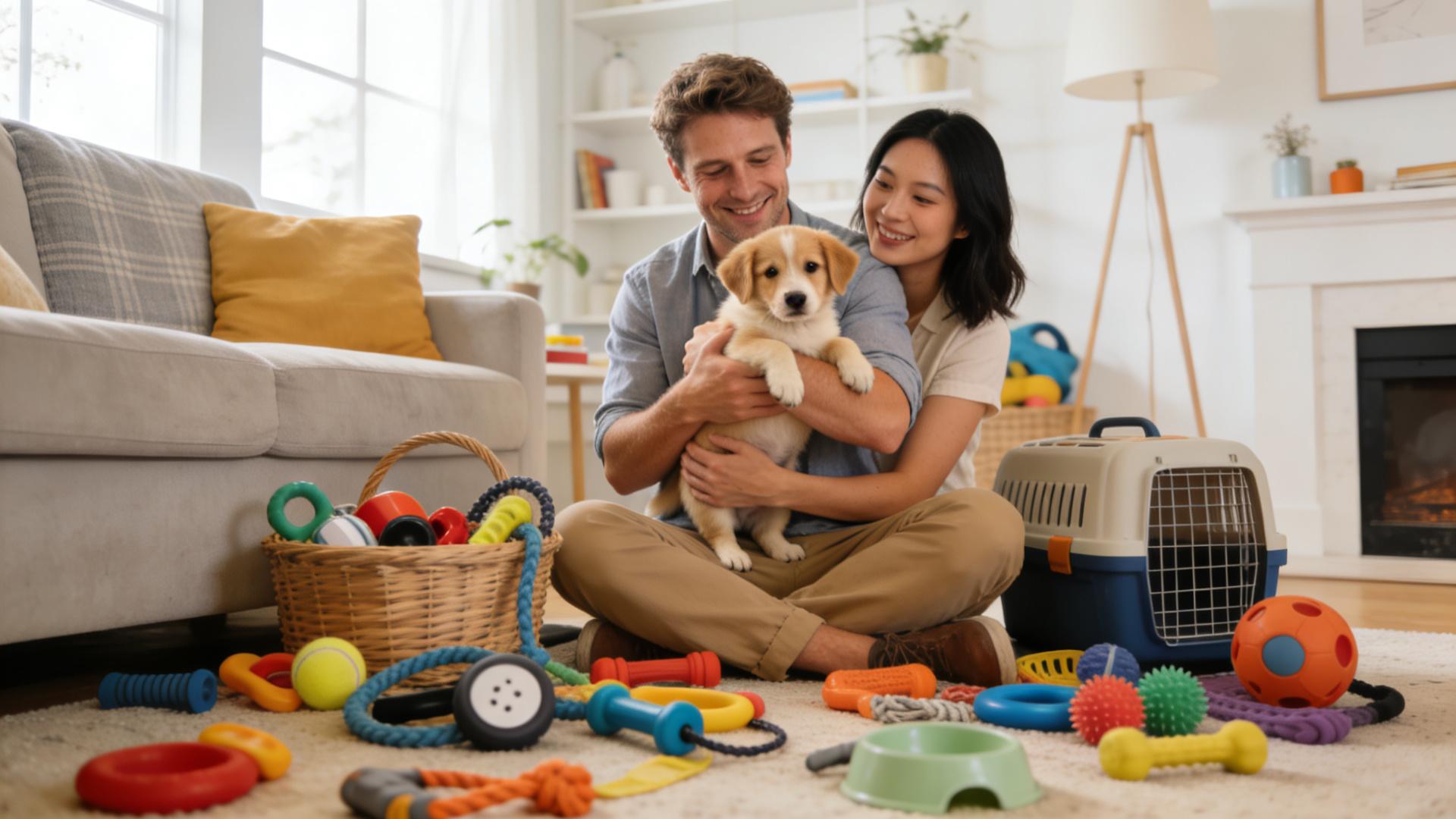
2026 Puppy Training Kit: 5 Essential Training Tools for New Parents
Bringing home your new puppy is a whirlwind of joy, cuddles, and… pure, unadulterated overwhelm. Between the excited piddles, the sharp little teeth, and the sudden midnight serenades, it’s easy for first-time pet parents to feel lost. Traditional training advice is plentiful, but the future of puppy parenting is here, blending timeless canine psychology with smart technology and innovative design. Welcome to the 2026 Puppy Training Kit, a curated collection not just of supplies, but of solutions. This guide cuts through the noise to present five essential tools designed to make your training journey more efficient, effective, and deeply connected. Let’s transform that adorable handful of chaos into a well-mannered companion with tools that empower you both.

Training Frequency Theory: Why is 10 minutes a day better than 2 hours a week?
Picture this: you’ve set aside a precious Saturday afternoon to finally get serious about your dog's training. You have treats, a clicker, and boundless determination. But fifteen minutes in, your dog is sniffing the grass, staring at a squirrel, or lying down with a sigh. Your two-hour "training marathon" dissolves into a cycle of frustration and distracted refocusing. Sound familiar? If so, you’re asking the right question: What is the optimal dog training frequency? The answer, backed by science and experience, challenges the marathon mentality. In essence, short, daily dog training sessions are profoundly more effective than infrequent, lengthy ones. Let's explore why the 10-minute daily habit reigns supreme.

Level 4: Behavioral Modification and Psychological Counseling
The journey of canine companionship reaches its most profound stage when we move beyond basic obedience and address the complex inner world of our dogs. Canine behavioral modification and dog psychological counseling represent this advanced tier of understanding and intervention. This stage is not about teaching commands. It is a dedicated therapeutic process focused on diagnosing and rehabilitating deep-seated emotional and psychological disorders. It addresses the root causes of behaviors like aggression, severe anxiety, phobias, and compulsive disorders. Engaging in this level requires a shift from viewing a dog as "disobedient" to recognizing it as an individual experiencing significant distress. This article serves as a comprehensive guide for dedicated owners and aspiring professionals. It delves into the principles, techniques, and compassionate framework necessary for true severe dog behavior rehabilitation.