
You May Have Missed
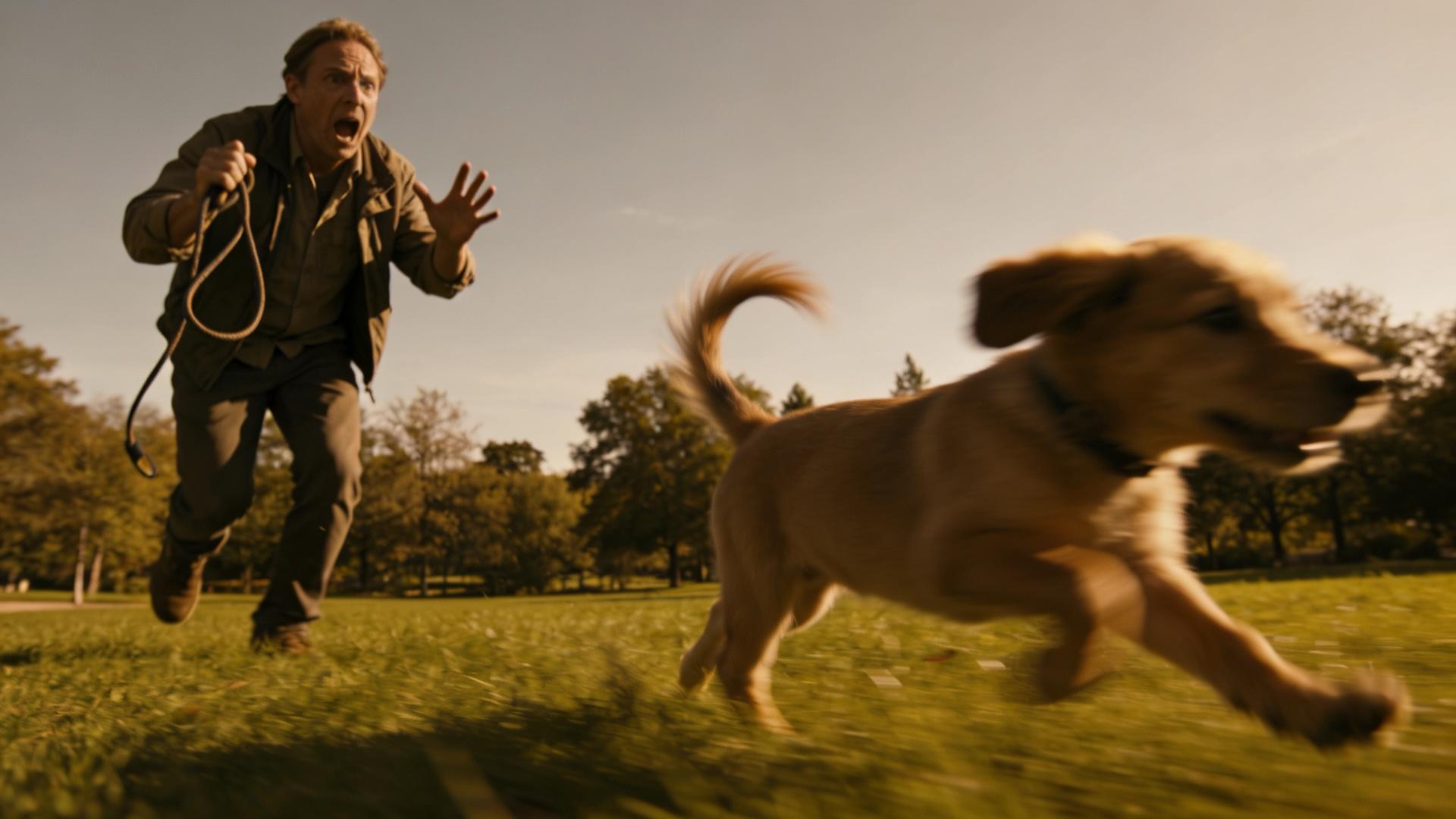
Puppy recall lesson one: Make it run to you no matter what.
Imagine this: your puppy’s leash slips from your hand at the park, or your front door swings open a moment too long. In that heartbeat, the single most important command you will ever teach your dog isn't just a trick—it's a lifesaving behavior. A reliable recall, the act of your dog coming to you instantly and joyfully, is the ultimate insurance policy. But this first lesson isn't about the word "come." It's about building an irresistible gravitational pull that makes your puppy sprint to you with unfiltered joy, every single time. We are not merely requesting an action; we are programming a reaction. This is the art and science of creating a foundation so strong that squirrels, smells, and other dogs simply can't compete. Let's begin.
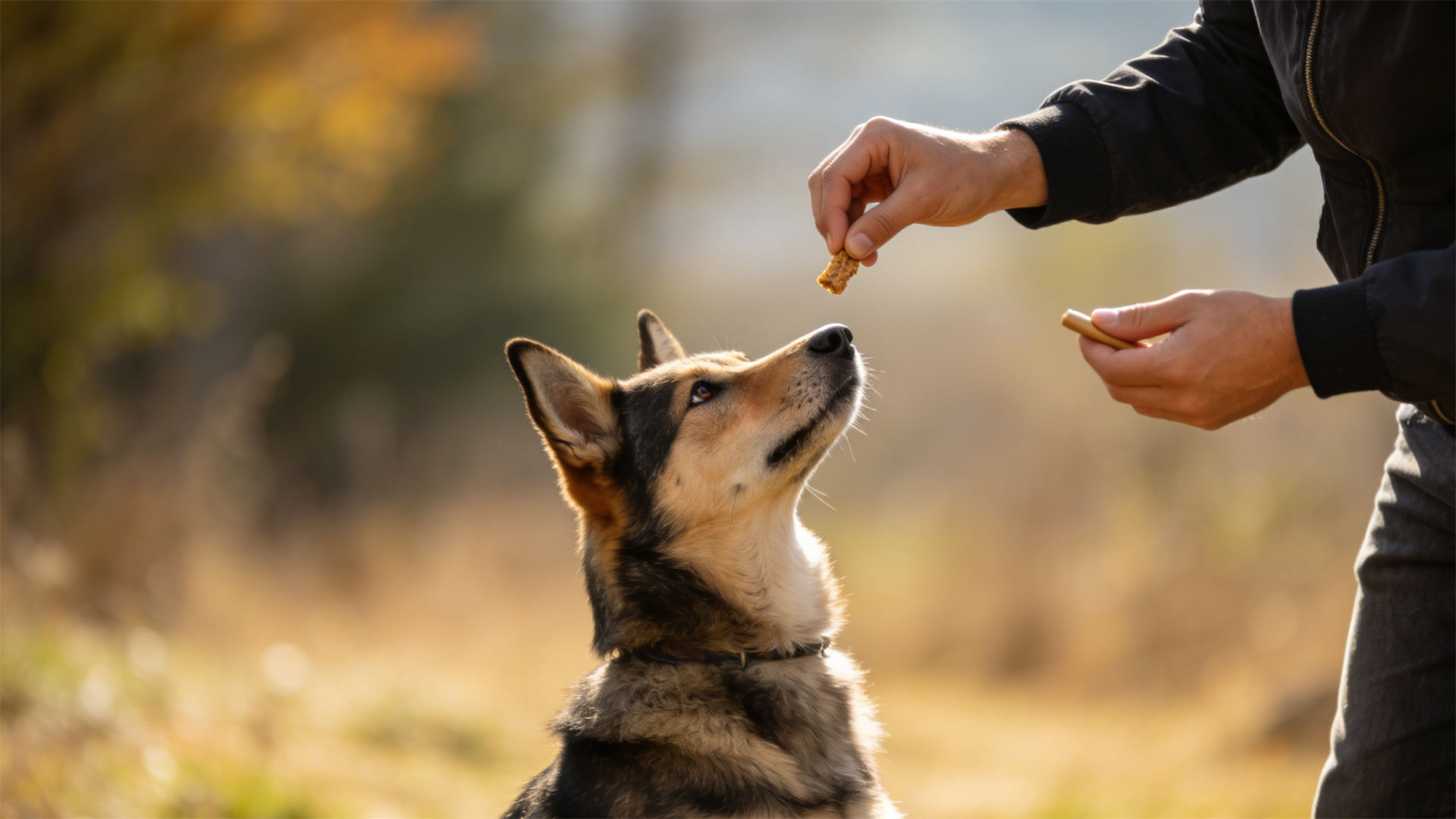
Today's training focus: Clicker method
In the vast world of dog training methodologies, few tools have garnered as much acclaim from professional trainers and pet owners alike as the humble clicker. More than just a noisemaker, the clicker is the cornerstone of a revolutionary approach that emphasizes clarity, mutual respect, and joyful learning. Clicker training for dogs isn't a fleeting trend; it's a scientifically-backed application of operant conditioning that empowers your dog to think and participate actively in their own education. This comprehensive guide will demystify the clicker training method, equipping you with the knowledge and steps to forge a deeper bond and unlock your canine companion's full potential.
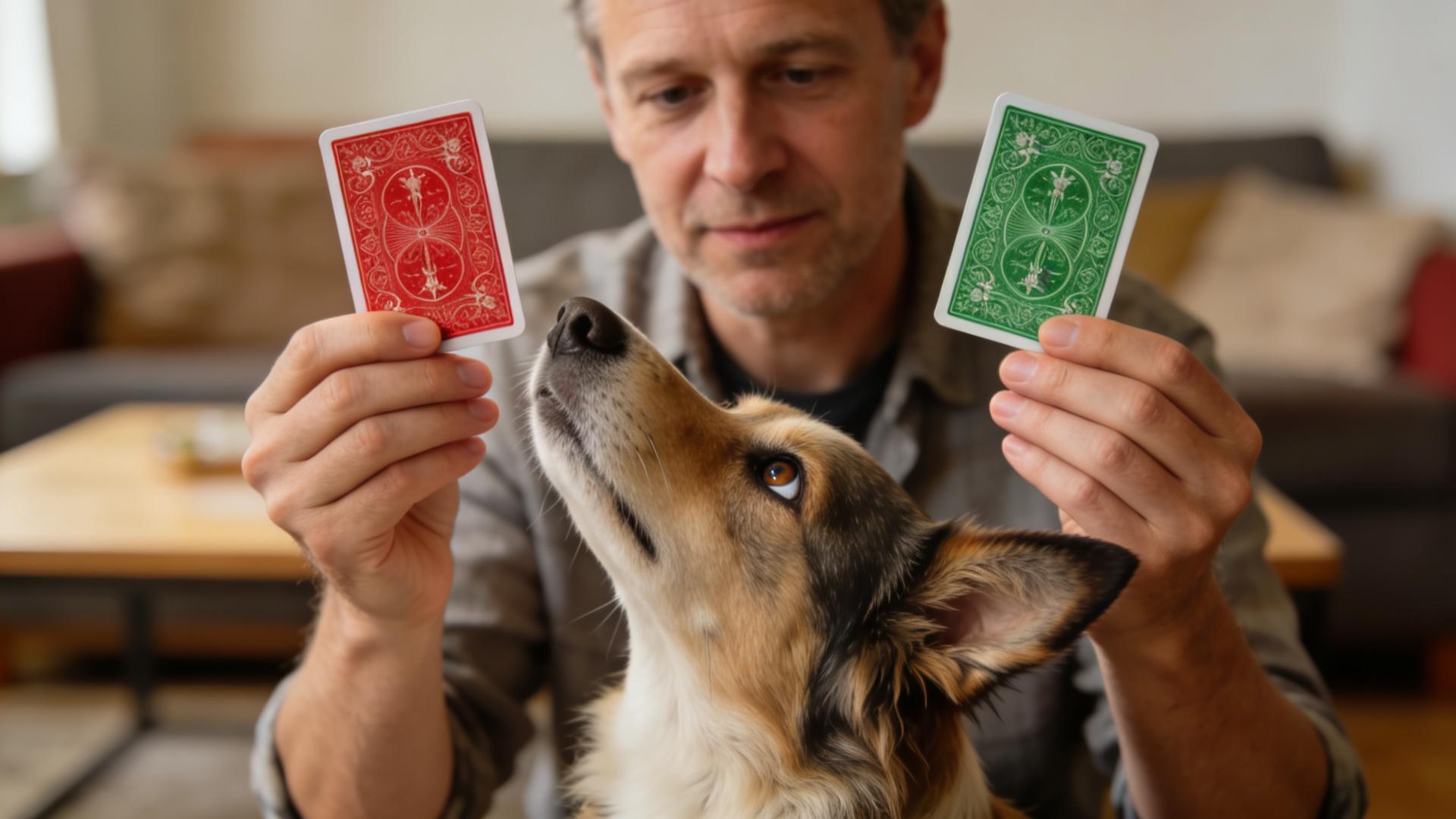
Traffic light training at intersections: Establishing visual signals for "stop" and "go".
Navigating busy urban intersections with your dog can transform a relaxing walk into a nerve-wracking game of chance. The honking cars, bustling pedestrians, and unpredictable movements create a minefield of distractions and dangers. What if you could introduce a common language of safety, one your dog understands as clearly as you understand a red or green light? This article delves into the powerful method of traffic light training for dogs, a system of visual signals that establishes crystal-clear "stop" and "go" cues. Our purpose is to provide you with a proven, step-by-step methodology to enhance your intersection safety for canines, forging not only a safer companion but a deeper bond built on communication and trust.
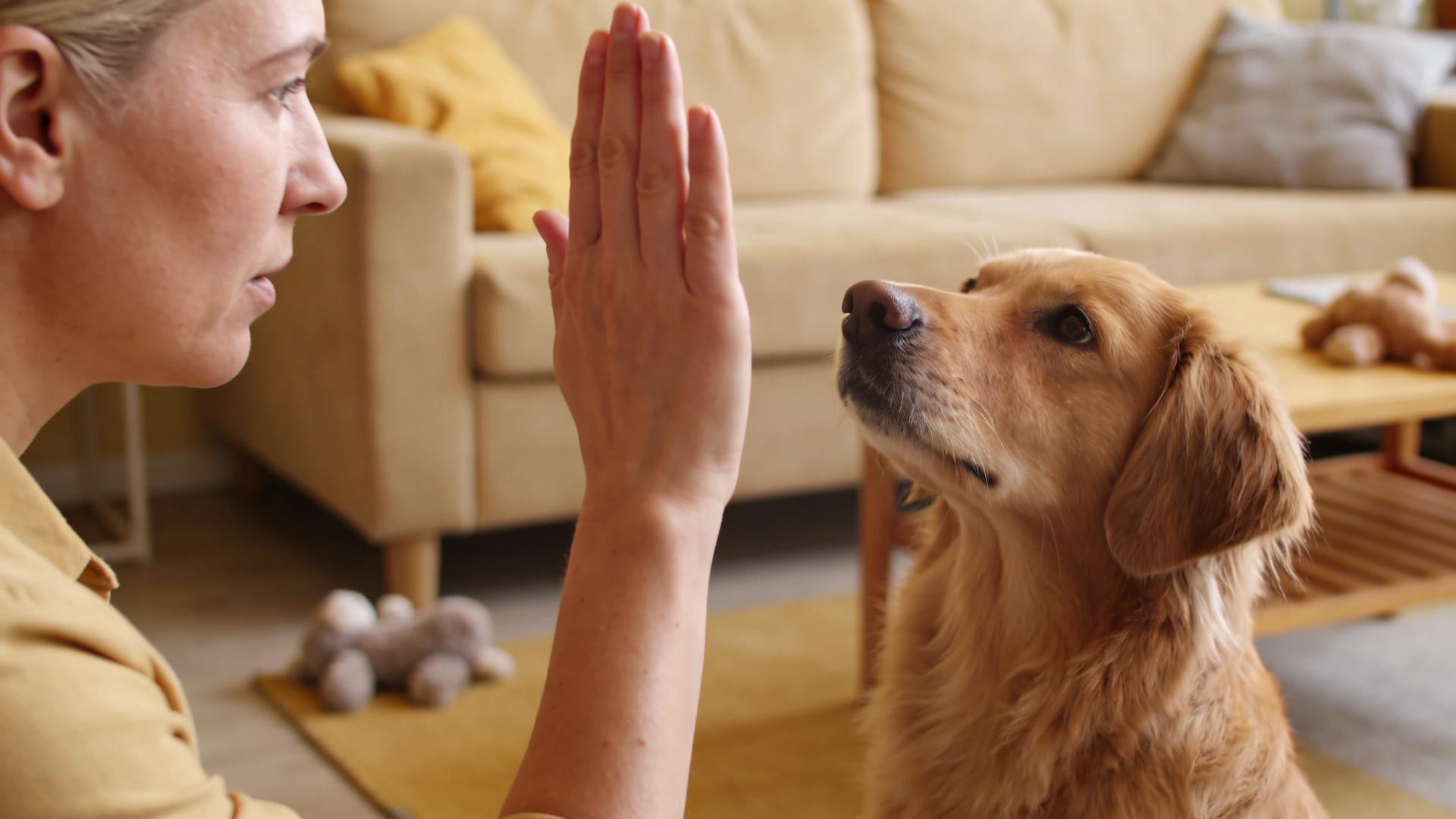
Mute Command: How to instantly quiet a barking dog using hand gestures
The doorbell rings, and your dog erupts into a frenzy of barking. A squirrel dashes past the window, setting off another vocal alarm. While barking is natural canine communication, excessive noise can fray nerves, disturb neighbors, and leave you feeling powerless. In fact, studies suggest that nuisance barking is one of the most common complaints in residential communities and a leading reason dogs are surrendered to shelters. For years, the solution has seemed to be shouting "Quiet!" over the din, often escalating the tension. But what if you could silence the barking with a simple, silent wave of your hand? Enter the Mute Command—a powerful, non-verbal technique that uses clear hand gestures to gain immediate control. This guide will transform you from a frustrated owner into a calm, confident leader, teaching you the precise method to instantly quiet a barking dog.
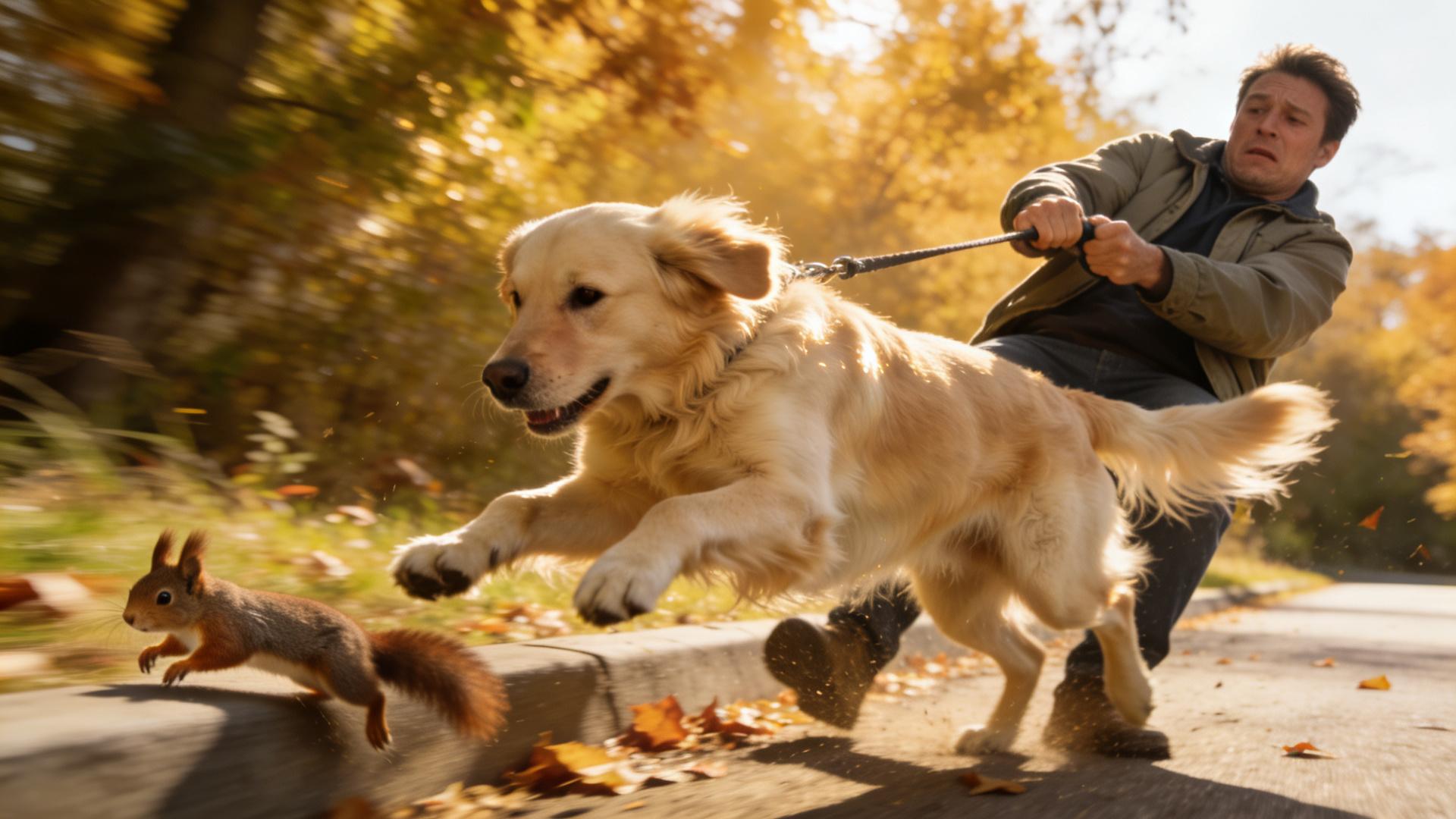
Slack rope following: Using "figure-eight movement" to correct sudden acceleration.
You’re enjoying a peaceful walk when a squirrel darts across the path. In a flash, your dog transforms into a sled dog, surging forward with such force that your shoulder aches. This sudden acceleration, also known as lunging or surging, is more than just an annoyance—it's a breakdown in communication and a potential safety hazard. Traditional "corrections" often create more tension, leading to a frustrating battle of wills. But what if the solution wasn't about holding tighter, but about creating intentional slack? Enter slack rope following and its powerful companion, the figure-eight movement. This sophisticated approach doesn't just manage pulling; it teaches your dog to actively seek a loose leash through intelligent handler movement.
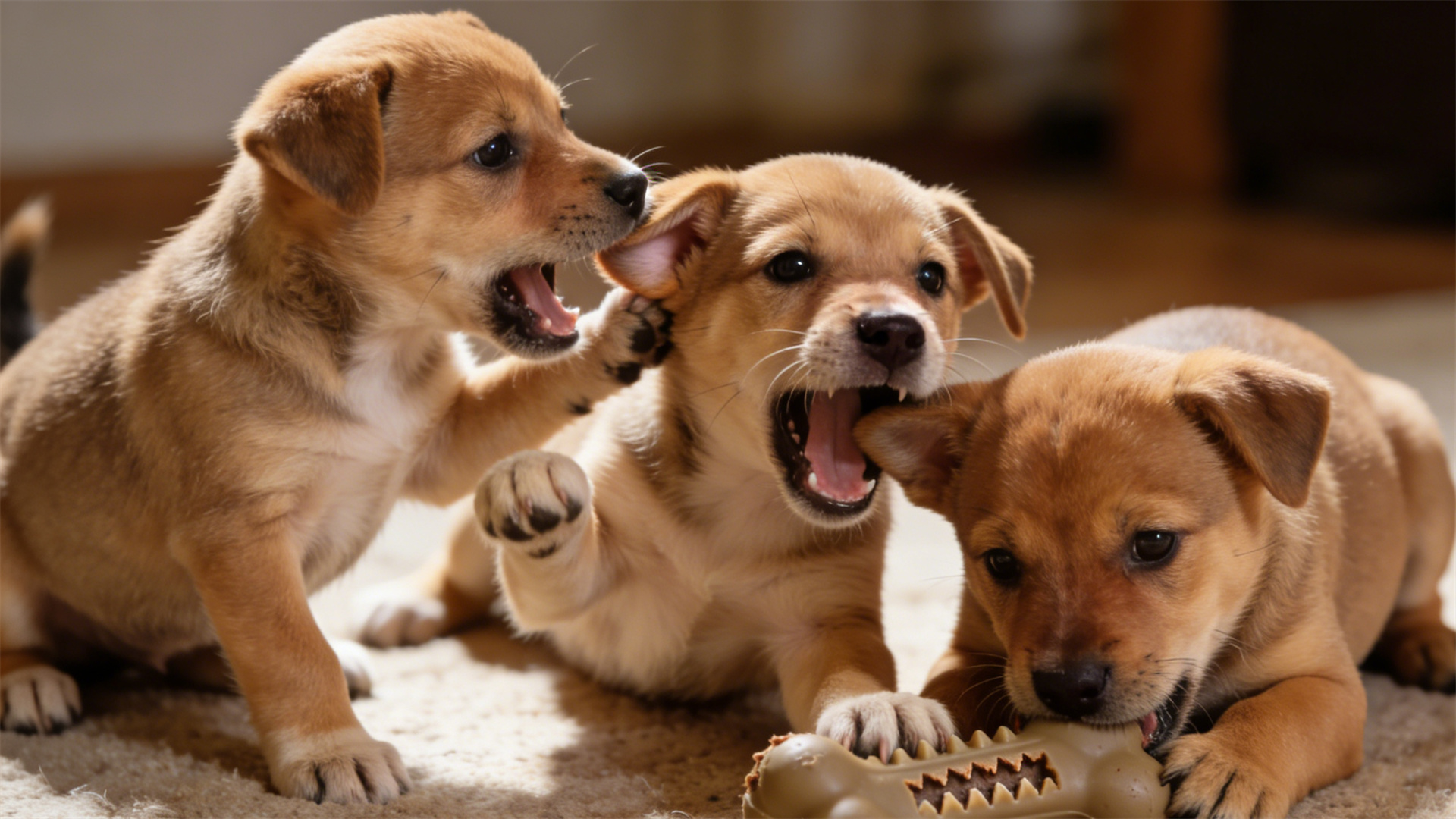
Preventing Puppies from Biting Their Hands and Feet: Correct Feedback for Correcting Puppy Biting
The joy of bringing home a new puppy is often quickly tempered by the sharp pinch of needle-like teeth on your fingers and toes. If you’ve found yourself asking, “Why does my puppy keep biting my hands and feet?” you are absolutely not alone. This is one of the most common and frustrating challenges for new dog owners. However, this behavior is a normal part of canine development, not a sign of an aggressive dog. The key lies in understanding the why behind the bites and implementing a consistent, positive strategy for preventing puppy biting. Timely and correct intervention is crucial for your safety, your puppy’s future social skills, and a harmonious home.