
You May Have Missed

The first "Sit down": How to use gestures to quickly establish command awareness
Welcome, fellow dog lover. If you're standing there, repeating "sit, sit, SIT!" while your dog looks blissfully past you, you're only using half of your communication toolkit. You're speaking, but your dog's native language is visual. This guide will fundamentally transform how you connect with your canine companion, starting with the foundational command: the "sit." We're going beyond the basic verbal cue to unlock the power of silent gestures, building an instant, unwavering layer of command awareness that cuts through noise, distance, and distraction. Let's begin the conversation your dog has been waiting for.
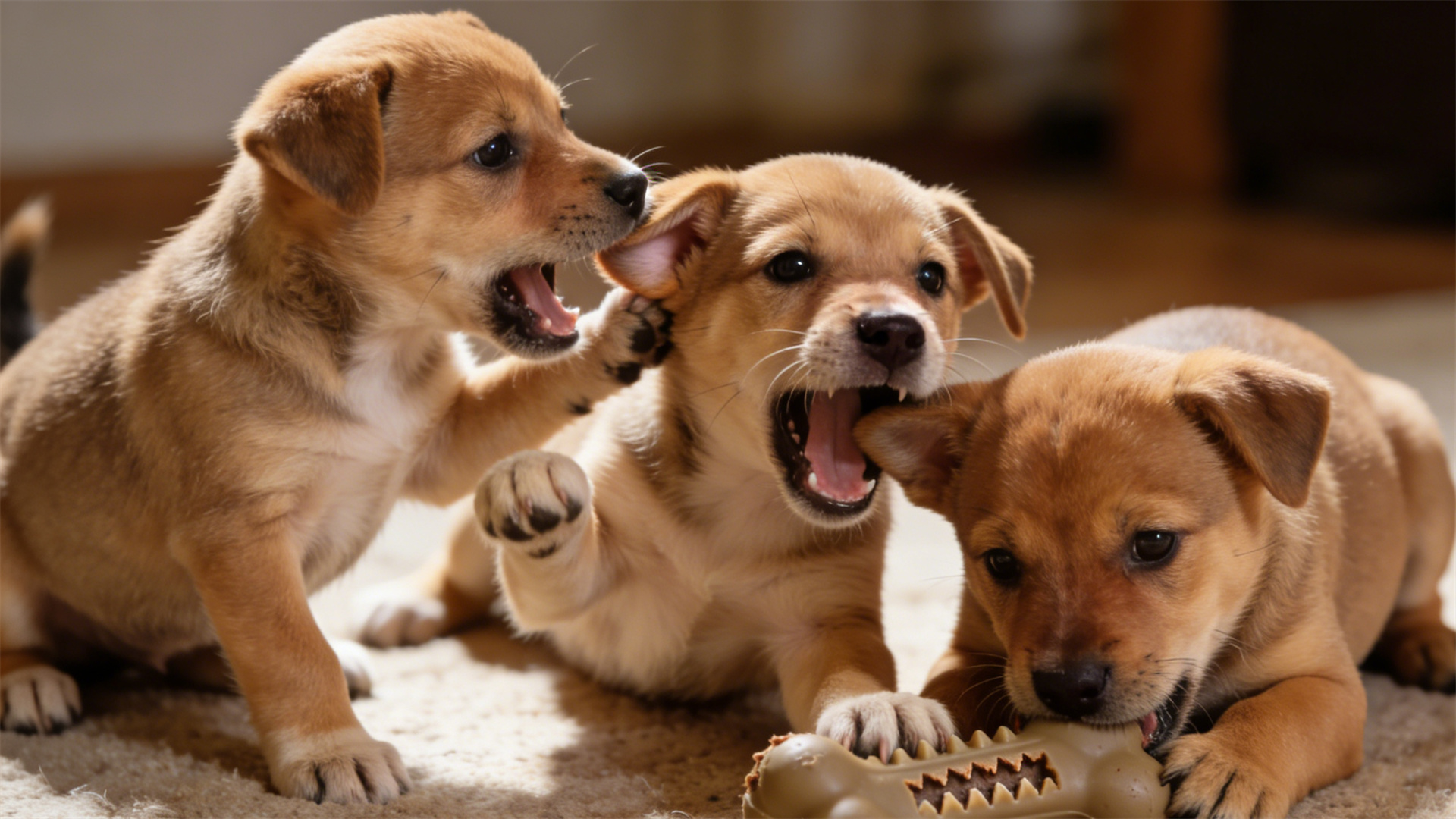
Preventing Puppies from Biting Their Hands and Feet: Correct Feedback for Correcting Puppy Biting
The joy of bringing home a new puppy is often quickly tempered by the sharp pinch of needle-like teeth on your fingers and toes. If you’ve found yourself asking, “Why does my puppy keep biting my hands and feet?” you are absolutely not alone. This is one of the most common and frustrating challenges for new dog owners. However, this behavior is a normal part of canine development, not a sign of an aggressive dog. The key lies in understanding the why behind the bites and implementing a consistent, positive strategy for preventing puppy biting. Timely and correct intervention is crucial for your safety, your puppy’s future social skills, and a harmonious home.

2026 Puppy Training Kit: 5 Essential Training Tools for New Parents
Bringing home your new puppy is a whirlwind of joy, cuddles, and… pure, unadulterated overwhelm. Between the excited piddles, the sharp little teeth, and the sudden midnight serenades, it’s easy for first-time pet parents to feel lost. Traditional training advice is plentiful, but the future of puppy parenting is here, blending timeless canine psychology with smart technology and innovative design. Welcome to the 2026 Puppy Training Kit, a curated collection not just of supplies, but of solutions. This guide cuts through the noise to present five essential tools designed to make your training journey more efficient, effective, and deeply connected. Let’s transform that adorable handful of chaos into a well-mannered companion with tools that empower you both.
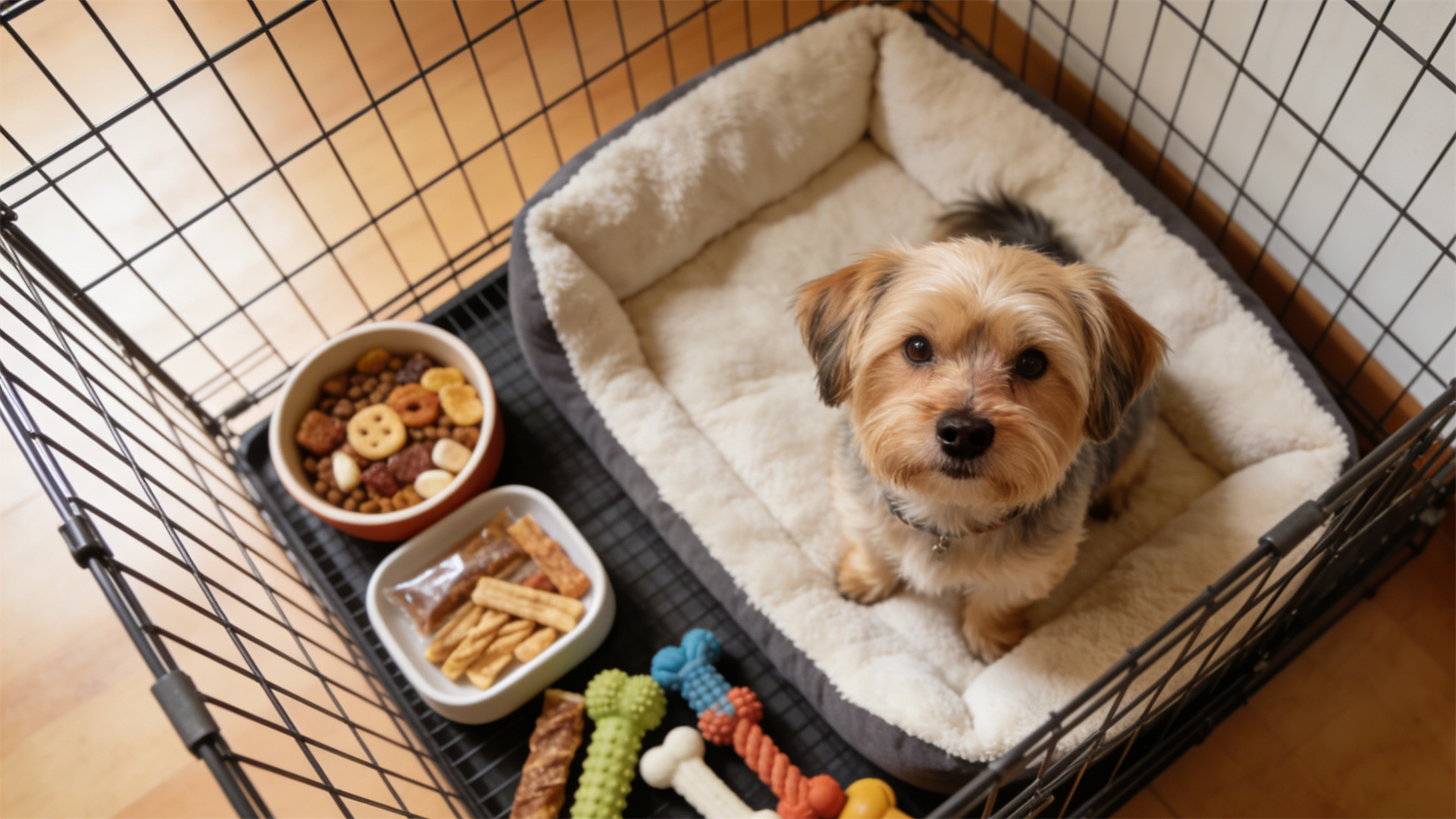
Crate training for puppies: Turn the crate into its favorite "safe house".
If the thought of crate training for puppies fills you with images of a sad, whining pup, you're not alone. Many new owners struggle with guilt, viewing the crate as a cage or a punishment. But what if we told you that, done correctly, your puppy's crate could become its most cherished sanctuary—a personal safe house where it feels completely secure and content? The key lies not in confinement, but in positive association. This guide will walk you through a compassionate, step-by-step process to transform that empty crate into your puppy's favorite nap spot and cozy den, alleviating your anxiety and building your dog's confidence.

Emotional synchronization: How does the owner's anxiety interfere with training effectiveness?
Picture this: You’re in the backyard, treat pouch on your hip, ready to practice a solid "stay." You give the cue, take one step back, and your dog immediately breaks position. A wave of frustration rises. You try again, your voice tightening. Your dog now seems distracted, sniffing the ground, avoiding eye contact. The more you try to "get it right," the worse it gets. Your anxiety climbs, and your dog’s behavior unravels in tandem. Why does it feel like your emotional state is the invisible hand guiding—or sabotaging—your training session? The answer lies in a powerful, biological phenomenon: emotional synchronization. This is the shared emotional leash that connects your inner world directly to your dog's ability to learn, focus, and cooperate.
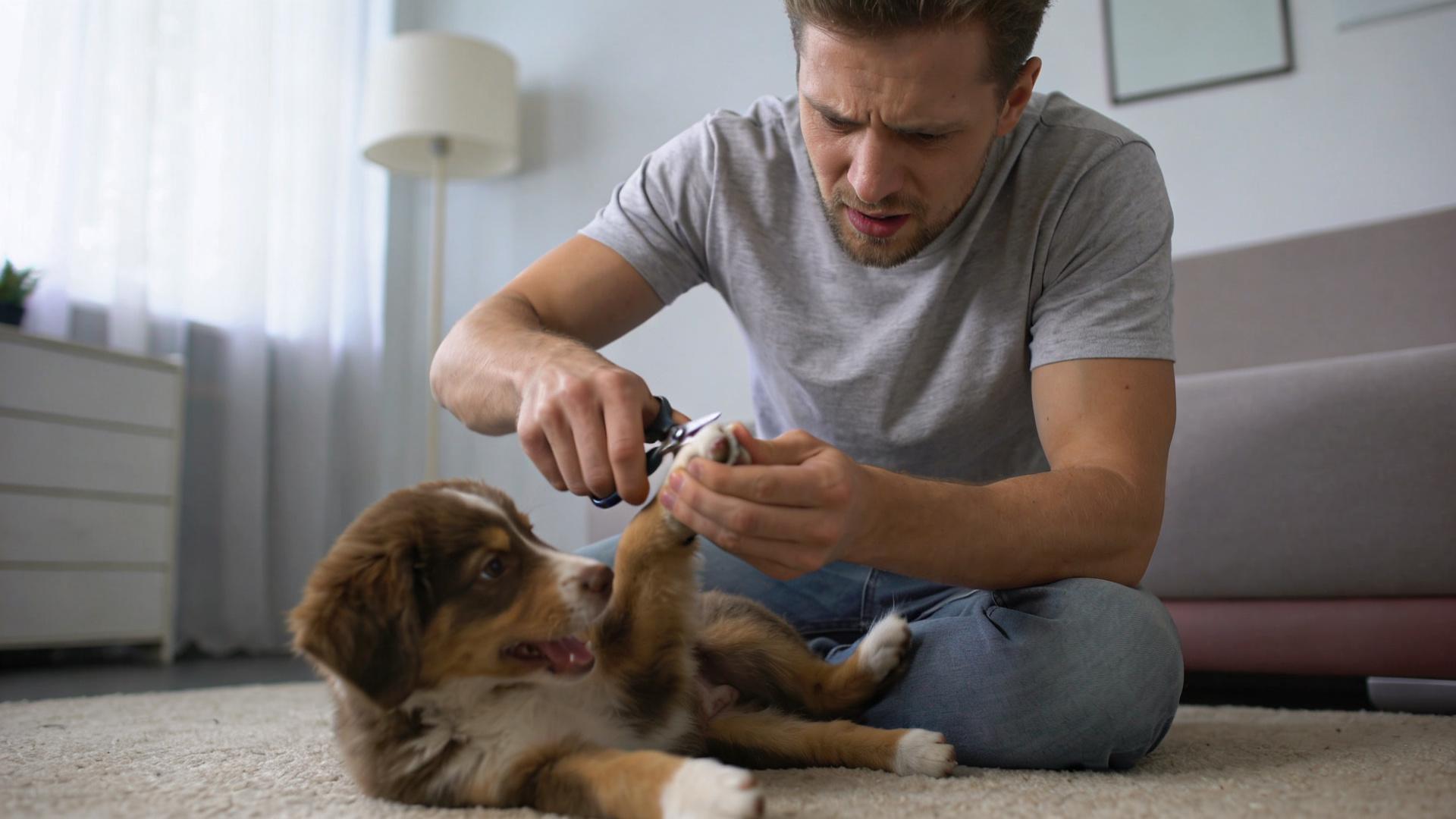
Medical desensitization training: Encourage puppies to cooperate with nail trimming and ear turning.
For countless puppy parents, the mere thought of nail trimming or ear cleaning can induce a wave of dread. What should be a routine part of healthcare often turns into a stressful wrestling match, filled with whimpers, squirms, and a frustrated owner. If this sounds familiar, you’re not alone. Many puppies view these necessary procedures with suspicion or outright fear. But what if you could transform these chores into moments of calm cooperation—or even enjoyment—for your pup? This is where the transformative power of medical desensitization training comes in. Rooted in science and compassion, this method uses patience, positive reinforcement, and a step-by-step approach to build unshakeable trust, encouraging your puppy to willingly participate in their own care. Let's explore how to turn grooming from a battle into a bonding experience.