
You May Have Missed

Cognitive impairment in older dogs (CCD): How to differentiate between aging and dementia
You've noticed it. The subtle shifts. Your once-energetic companion now spends more time napping. They might hesitate at the top of the stairs or seem momentarily confused in the backyard. As a devoted dog owner, you chalk it up to "just getting old." But a nagging thought persists: Is this normal aging, or is it something more? This article is your guide. We will explore the nuanced difference between the natural slowing down of senior years and Canine Cognitive Dysfunction (CCD), a form of dog dementia. By understanding the signs, you can become your dog's best advocate and ensure their golden years are as comfortable and joyful as possible.

Hidden Concerns about Drinking Water Health: The Effects of Tap Water, Purified Water, and Mineral Water on Dogs' Kidneys
For the devoted dog owner, every wag, every bark, and every soulful gaze is a reminder of the profound bond we share. We meticulously choose their food, schedule their exercise, and lavish them with care. Yet, there is one fundamental, often overlooked, element coursing through every aspect of their well-being: water. It is the essence of life, comprising about 60-70% of an adult dog's body weight and playing a critical role in every cellular function. While we ensure the bowl is never empty, have we ever paused to consider what is in that bowl? This article delves into a hidden, long-term concern—the subtle but significant impact of different water types on the cornerstone of your dog's filtration system: their kidneys. We will dissect the profiles of tap water, purified water, and mineral water, moving beyond myth to provide clear, actionable guidance for safeguarding your canine companion's vitality through informed hydration.
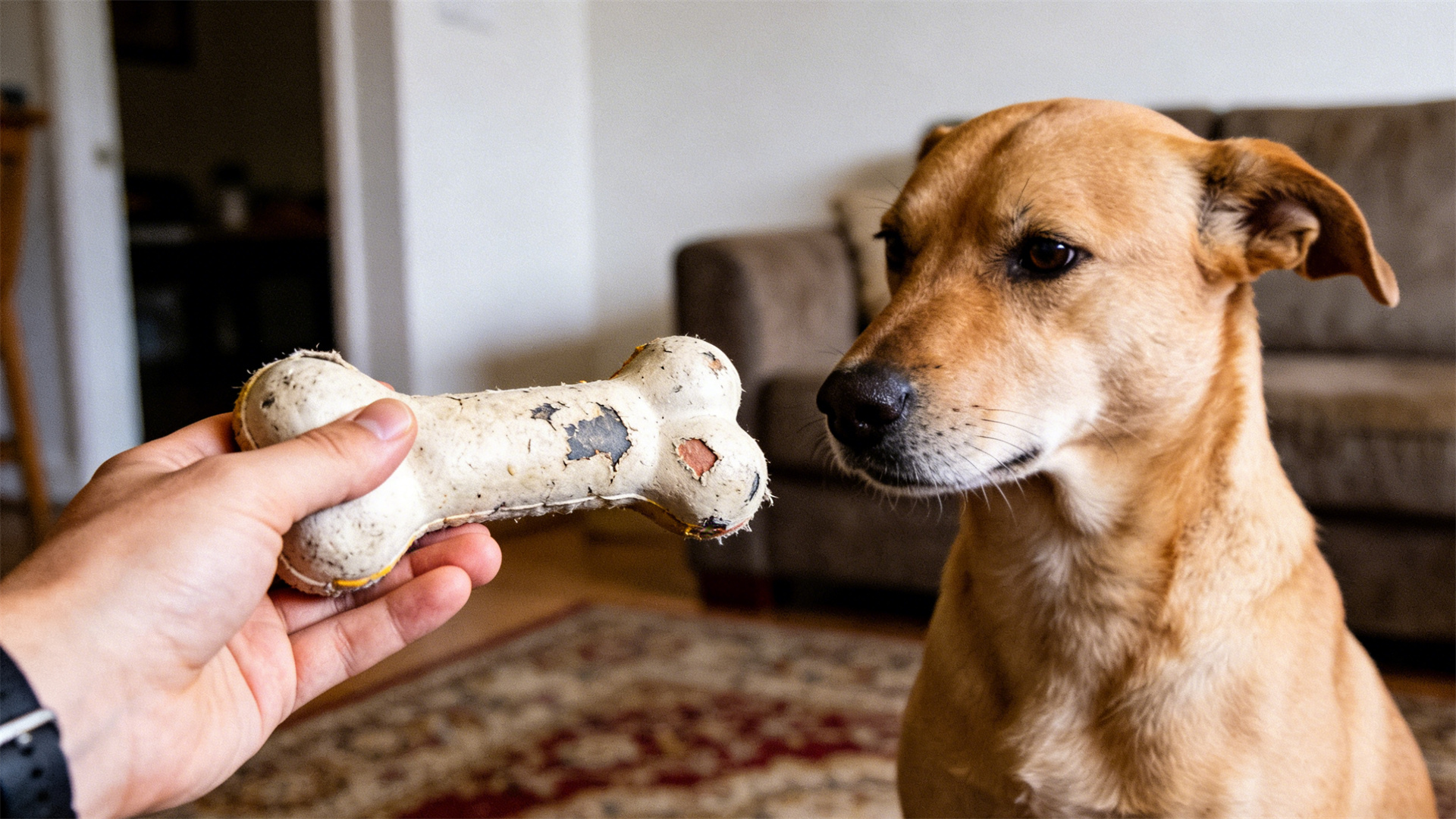
2026 Canine Psychology: Five Typical Signs of Canine Depression
The year 2026 marks a pivotal moment in our relationship with dogs. advancements in canine psychology have moved from the lab to the living room. with neuroimaging and biometric sensors now commonplace. we can peer into the canine mind like never before. This reveals a profound truth. dogs experience complex emotional states. including depression. Recognizing canine depression is no longer optional. it is a critical component of responsible pet ownership. This article delves into the future of dog mental health. detailing five typical signs of canine depression as understood in 2026. Our objective is clear. to equip you with knowledge that is both cutting-edge and actionable. ensuring your dog thrives emotionally and physically.
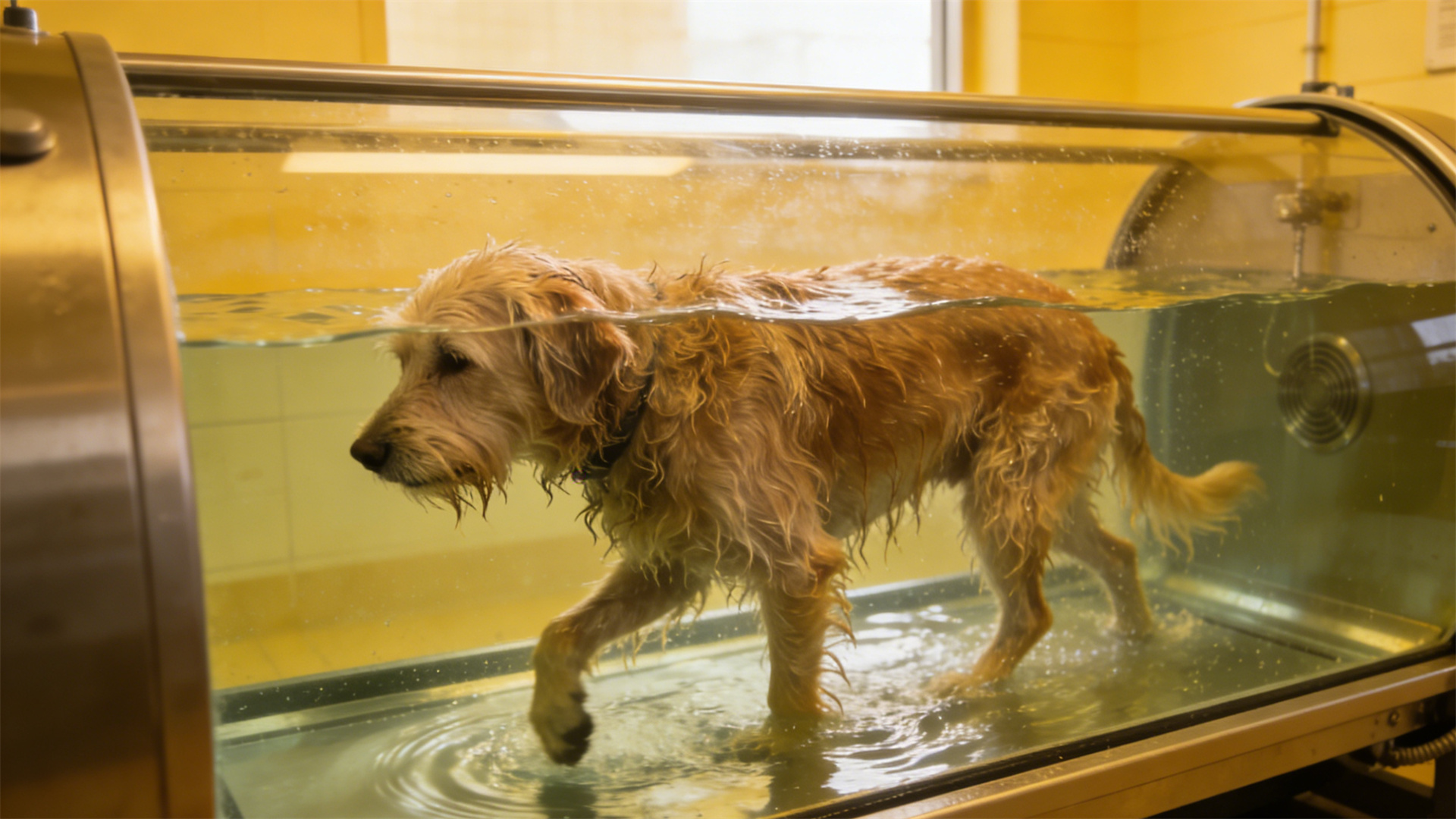
Gentle exercise: Indoor water treadmill rehabilitation program suitable for senior dogs
The golden years with a senior dog are a precious time, filled with shared memories and a deepened bond. As our canine companions age, we naturally seek ways to keep them comfortable, mobile, and engaged with life. Witnessing a once-sprightly dog slow down due to arthritis, muscle loss, or general stiffness can be heart-wrenching for any pet owner. The desire to help is strong, yet the fear of causing further injury with traditional exercise is real. This is where modern veterinary rehabilitation offers a transformative solution: the indoor water treadmill program. Tailored specifically for the needs of aging canines, this therapy provides a gateway to gentle exercise, pain relief, and improved quality of life. This comprehensive guide will explore the profound benefits, practical process, and hopeful future of indoor water treadmill rehabilitation for your cherished senior dog.

Corgi and Dachshund Spinal Insurance: Home Taboos for Protecting Intervertebral Discs (IVDD)
For the devoted owner of a Corgi, Dachshund, or similar short-legged breed, that joyful, wiggly gait is a constant source of delight. Yet, beneath that charming exterior lies a hidden vulnerability: a significant risk for Intervertebral Disc Disease (IVDD). This condition, where the cushioning discs between the vertebrae degenerate or herniate, can lead to pain, nerve damage, and even paralysis. The financial and emotional toll of treating IVDD can be overwhelming. This comprehensive guide addresses two critical pillars of proactive care: understanding the home taboos essential for prevention and demystifying the vital safety net of Corgi and Dachshund spinal insurance. By mastering both, you can dramatically improve your dog's quality of life and be financially prepared should a crisis arise.

Compulsive behaviors (such as tail chasing): Is it naughtiness or brain damage?
As a dog owner, few sights are as simultaneously amusing and perplexing as watching your dog spin in frantic circles, determined to catch that elusive tail. It’s a classic canine quirk, often laughed off as a moment of goofy antics. But when the spinning becomes a daily ritual, when it intensifies to the point of exhaustion or injury, that amusement can quickly curdle into concern. Is this just a naughty phase, a silly habit? Or could it be a red flag for something more serious, like brain damage or a neurological disorder? Understanding the stark difference between playful behavior and a pathological compulsion is not just academic—it’s crucial for the long-term health and happiness of your four-legged family member.