
You May Have Missed

Omega-3 Deep Choice: Fish Oil, Krill Oil, or Algae Oil?
As a devoted dog owner, you want to provide the very best for your furry family member. When it comes to nutritional supplements, Omega-3 fatty acids consistently top the list of veterinarian-recommended additions. These essential fats, specifically EPA (eicosapentaenoic acid) and DHA (docosahexaenoic acid), are powerhouse nutrients that support nearly every system in your dog's body. From nurturing a glossy coat and calming itchy skin to promoting healthy joint mobility and supporting cognitive function, the benefits are profound and well-documented. But walk down the supplement aisle or browse online, and you're faced with a choice: Fish Oil, Krill Oil, or Algae Oil? This isn't just a matter of preference; the source can impact efficacy, sustainability, and suitability for your dog's specific needs. Let's dive deep into the science and practicalities to help you make the most informed Omega-3 for dogs decision.

Sunlight and Exercise: The Dual Regulation of Serotonin Secretion and Bone Health in Dogs
When we think about our dog's health, our minds often jump to premium food, regular vet check-ups, and perhaps a stylish new bed. But what if two of the most powerful wellness tools are utterly free, accessible right outside your door, and work in perfect harmony? A truly holistic approach to canine vitality looks beyond the bowl and into the fundamental rhythms of nature and movement. The central thesis is profound yet simple: daily sunlight exposure and regular, appropriate exercise work in powerful tandem to regulate critical hormones like serotonin and fortify skeletal integrity. This dual-action strategy doesn't just target one system; it creates a cascade of benefits that uplifts your dog's mind, strengthens their body, and builds a foundation for a longer, more joyful life.
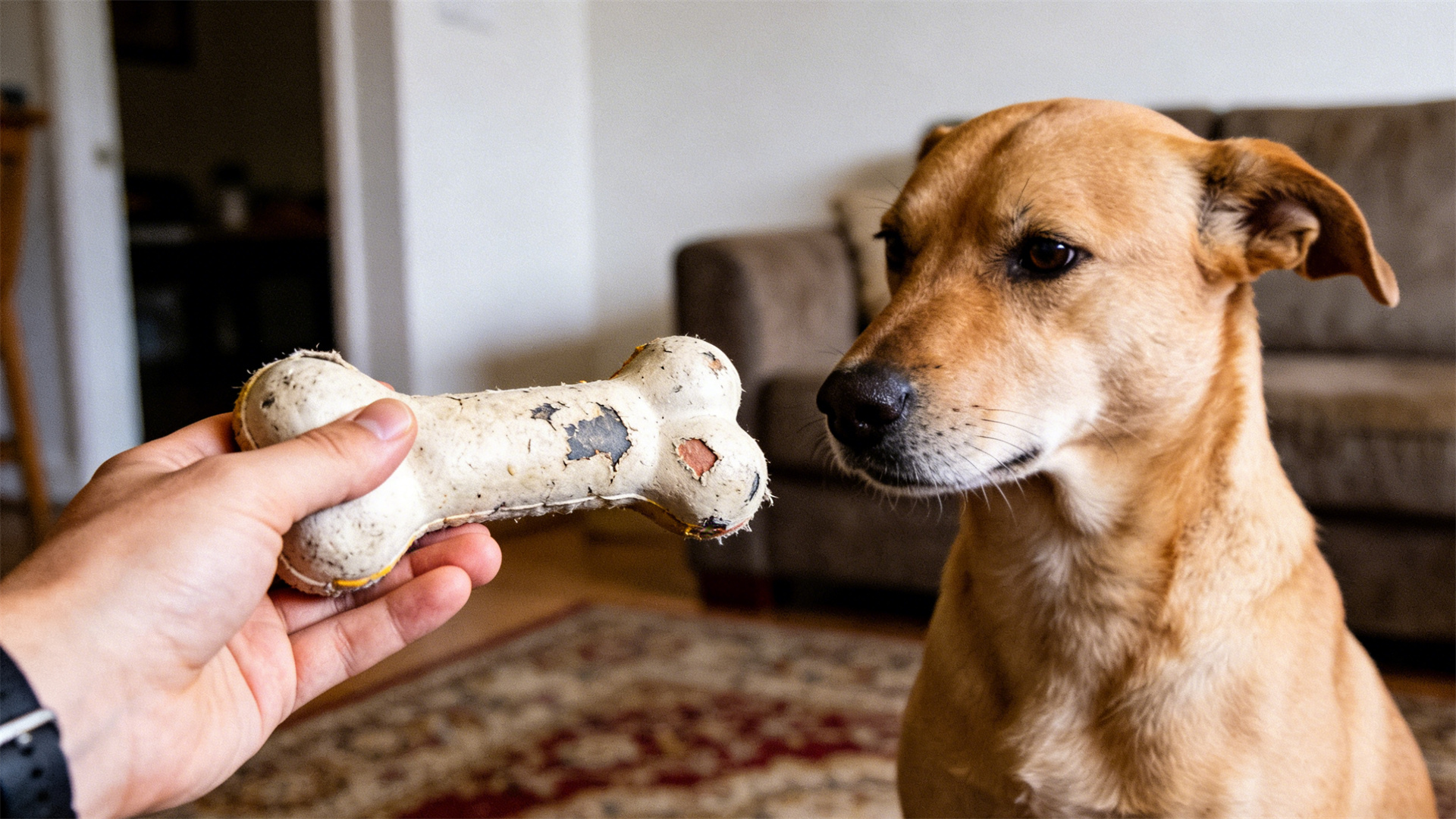
2026 Canine Psychology: Five Typical Signs of Canine Depression
The year 2026 marks a pivotal moment in our relationship with dogs. advancements in canine psychology have moved from the lab to the living room. with neuroimaging and biometric sensors now commonplace. we can peer into the canine mind like never before. This reveals a profound truth. dogs experience complex emotional states. including depression. Recognizing canine depression is no longer optional. it is a critical component of responsible pet ownership. This article delves into the future of dog mental health. detailing five typical signs of canine depression as understood in 2026. Our objective is clear. to equip you with knowledge that is both cutting-edge and actionable. ensuring your dog thrives emotionally and physically.
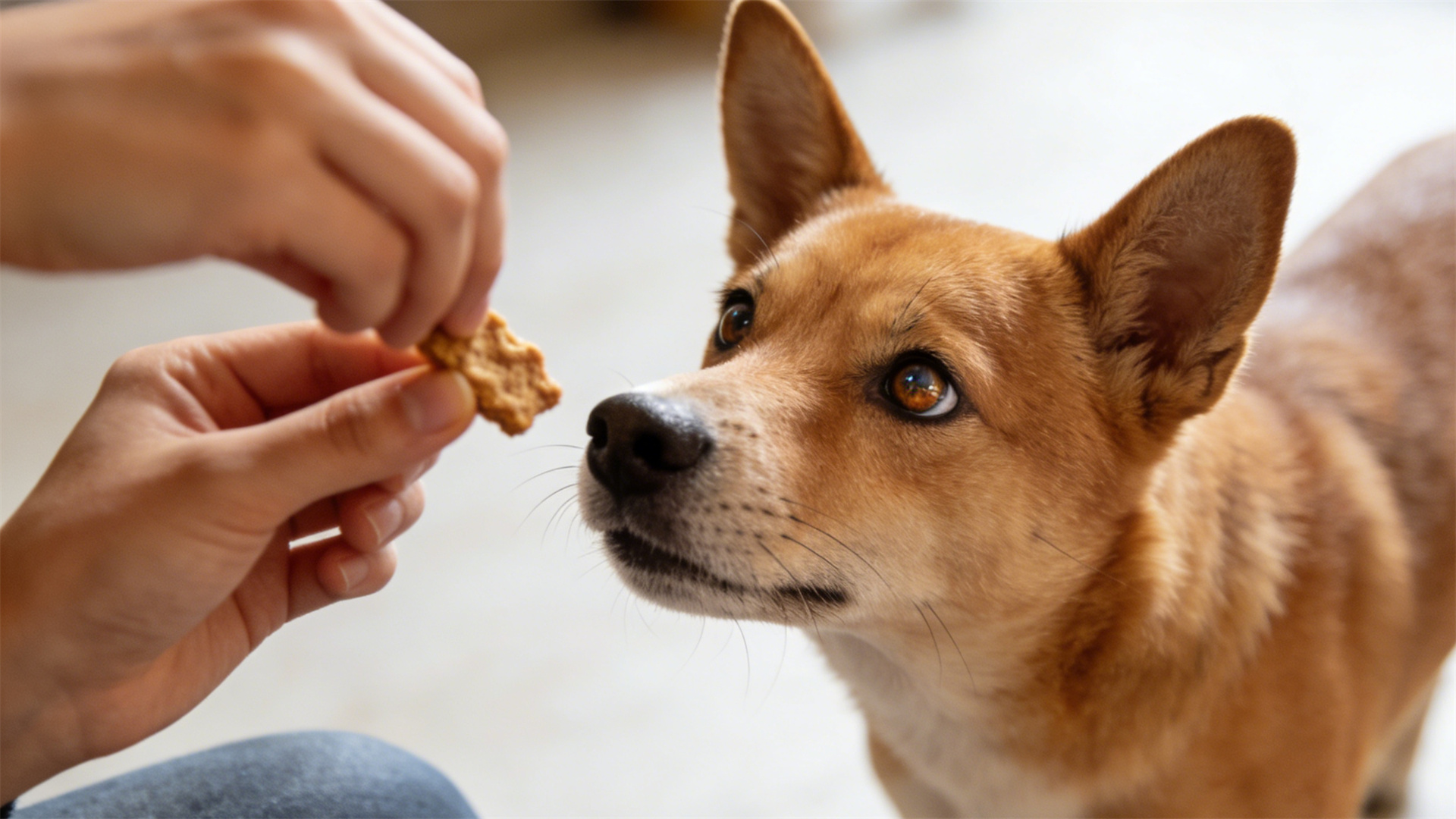
Benefits of positive reinforcement training for the nervous system: Why does physical punishment lead to chronic diseases in dogs?
Every choice you make in training your dog echoes through their entire body, influencing not just their behavior but their lifelong physical health. The question is no longer simply about "what works," but about what biologically builds a robust, resilient companion or a chronically stressed, susceptible patient. This article delves into the profound science behind why positive reinforcement training fosters wellness and how methods based on physical punishment can plant the seeds for chronic diseases in dogs.
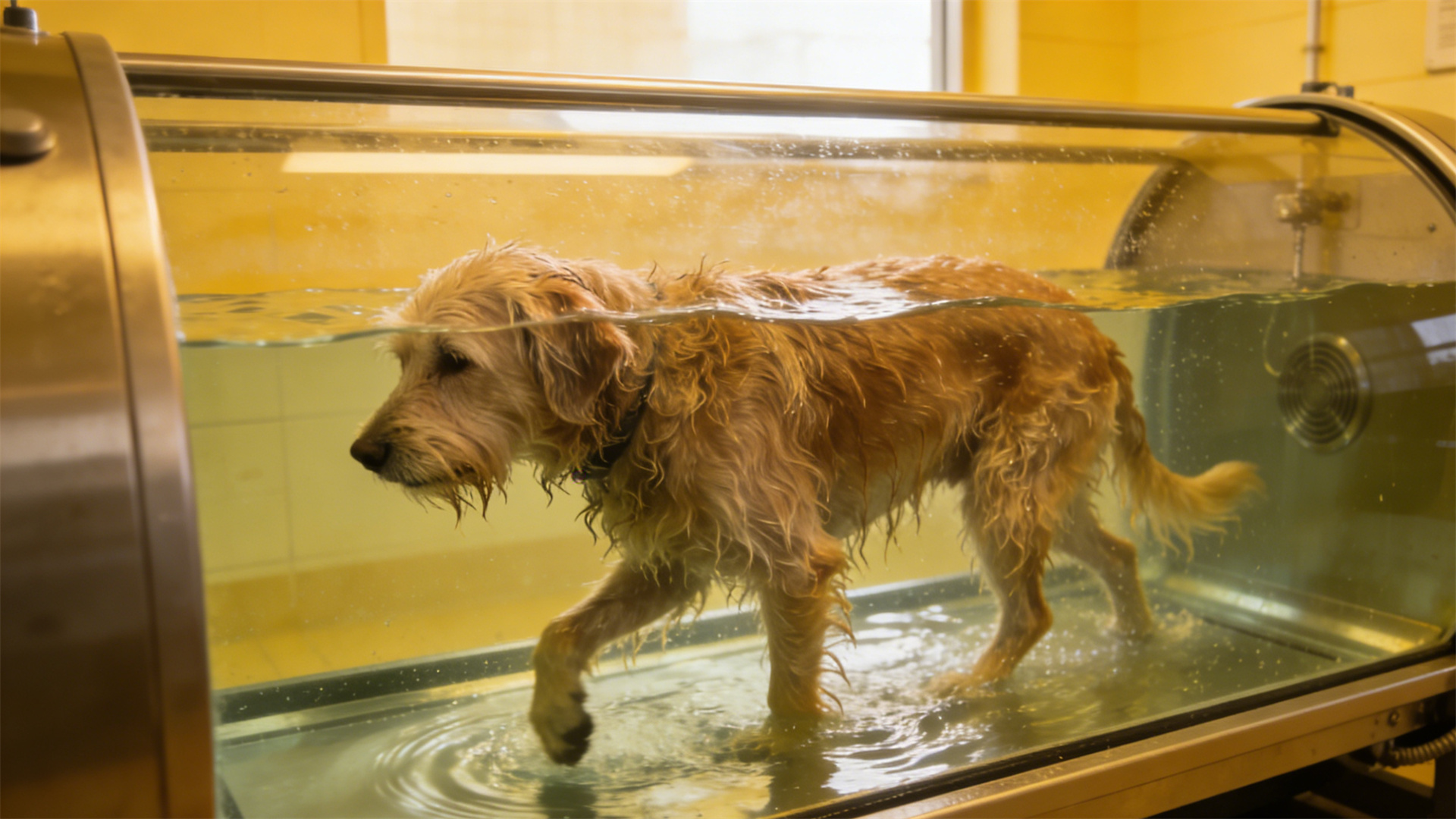
Gentle exercise: Indoor water treadmill rehabilitation program suitable for senior dogs
The golden years with a senior dog are a precious time, filled with shared memories and a deepened bond. As our canine companions age, we naturally seek ways to keep them comfortable, mobile, and engaged with life. Witnessing a once-sprightly dog slow down due to arthritis, muscle loss, or general stiffness can be heart-wrenching for any pet owner. The desire to help is strong, yet the fear of causing further injury with traditional exercise is real. This is where modern veterinary rehabilitation offers a transformative solution: the indoor water treadmill program. Tailored specifically for the needs of aging canines, this therapy provides a gateway to gentle exercise, pain relief, and improved quality of life. This comprehensive guide will explore the profound benefits, practical process, and hopeful future of indoor water treadmill rehabilitation for your cherished senior dog.
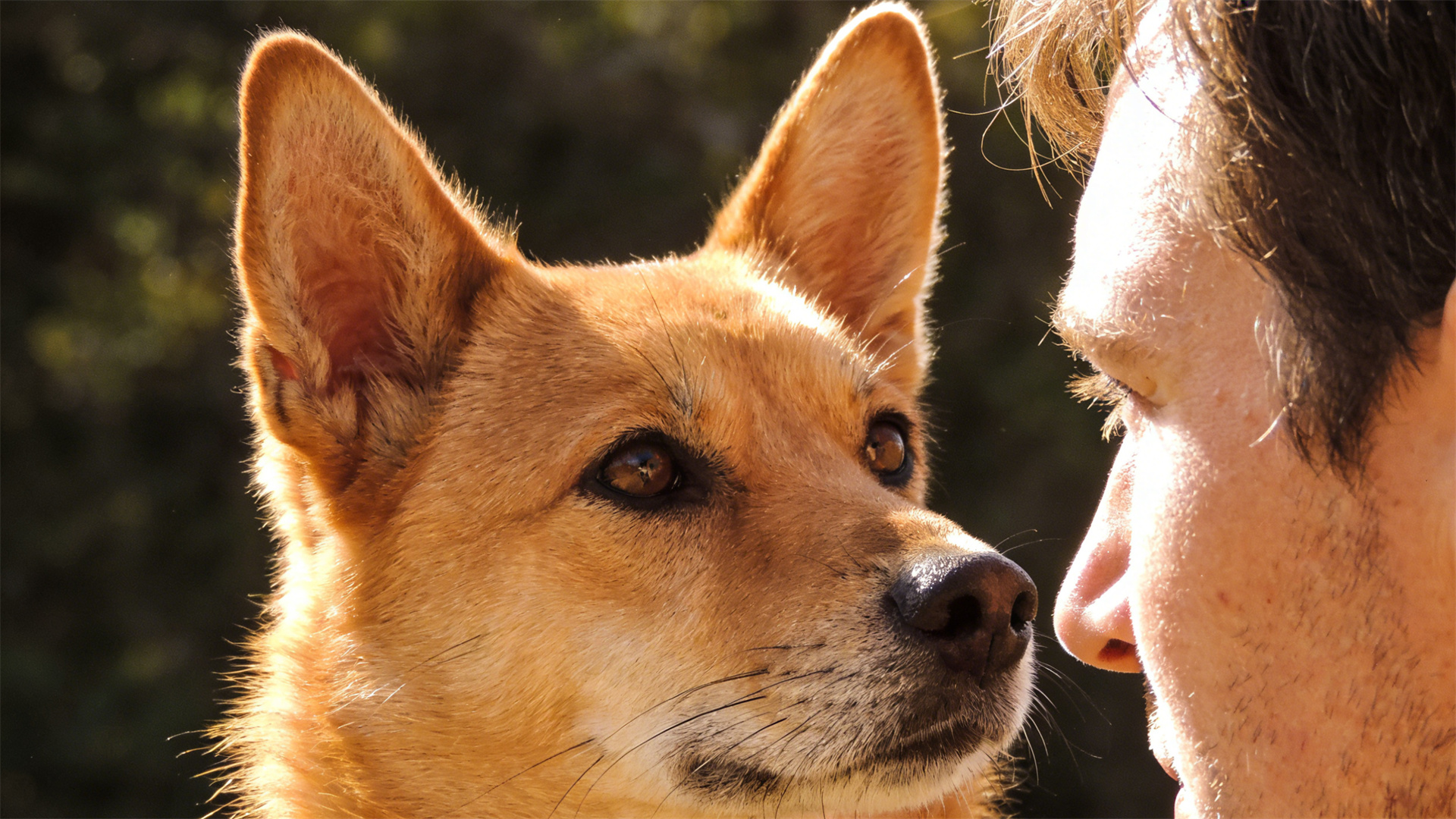
A dog's ability to sense its owner's emotions: Your stress is subtly being transmitted to it.
Have you ever collapsed on the couch after a grueling day, only to have your dog immediately lay its head on your lap with a soft sigh? Or perhaps you've noticed a spike in your dog's nervous energy during a period of personal tension or anxiety. This is not a coincidence. The bond between a dog and its owner is profound, built on millennia of co-evolution and daily companionship that goes far beyond the transactional nature of food and walks. Modern science now confirms what devoted pet lovers have always felt in their hearts: our dogs are deeply, intrinsically attuned to our emotional states. Your stress, often without a single word spoken, is being perceived, interpreted, and even felt by your canine companion.