
You May Have Missed
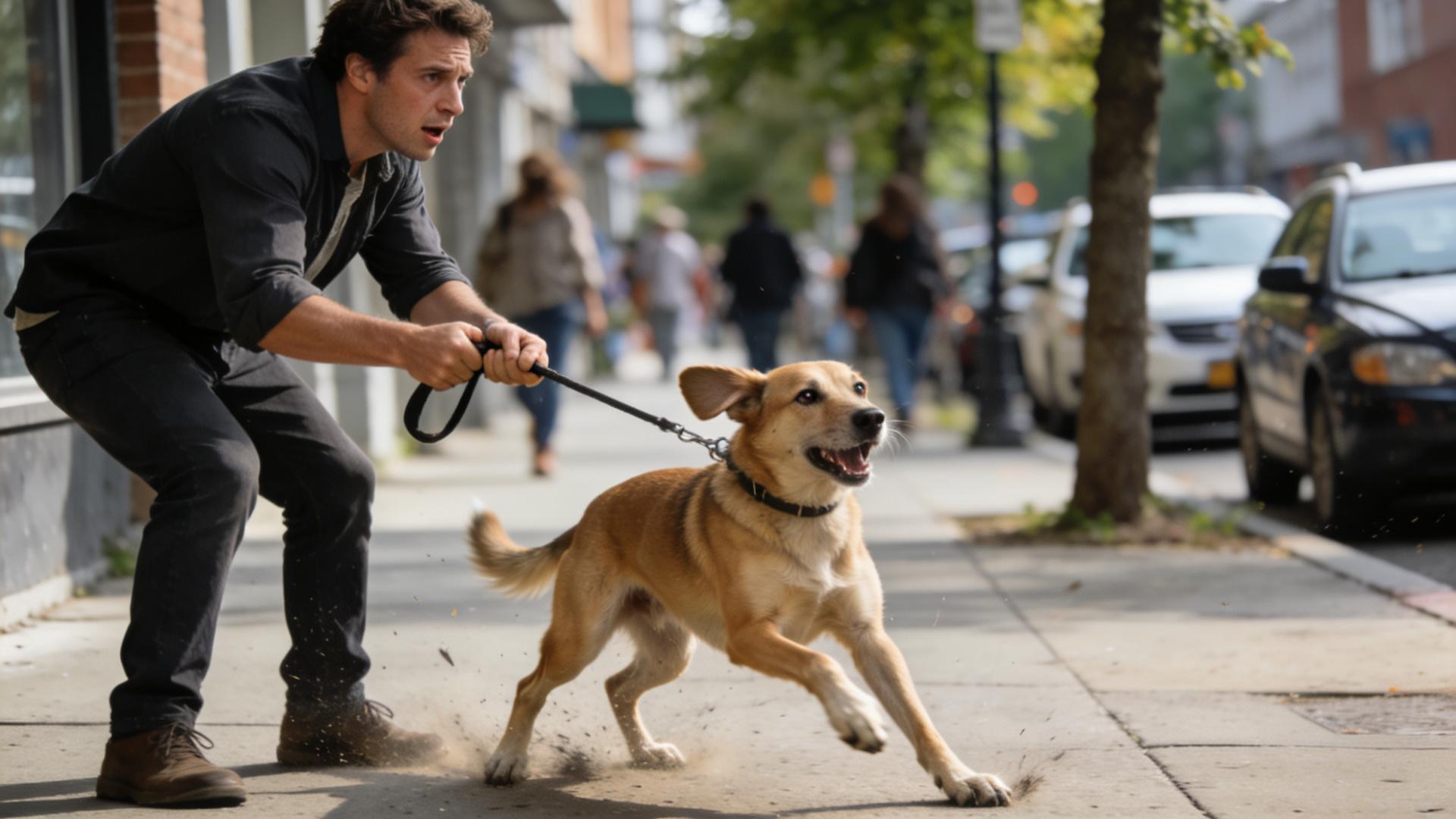
Automatic Sit: Train your dog to automatically sit when its owner stops.
You’re mid-walk, and you need to pause—to cross the street, greet a neighbor, or pick up after your dog. Instead of a calm stop, you’re met with a tangled leash, a dog leaning into their harness, or frantic sniffing at the exact spot you need to stand. This common walking challenge is more than just frustrating; it can compromise safety and control. What if, every single time you stopped moving, your dog instantly and politely sat by your side? This isn't a fantasy; it's the automatic sit, a foundational skill that transforms chaotic halts into moments of calm obedience.
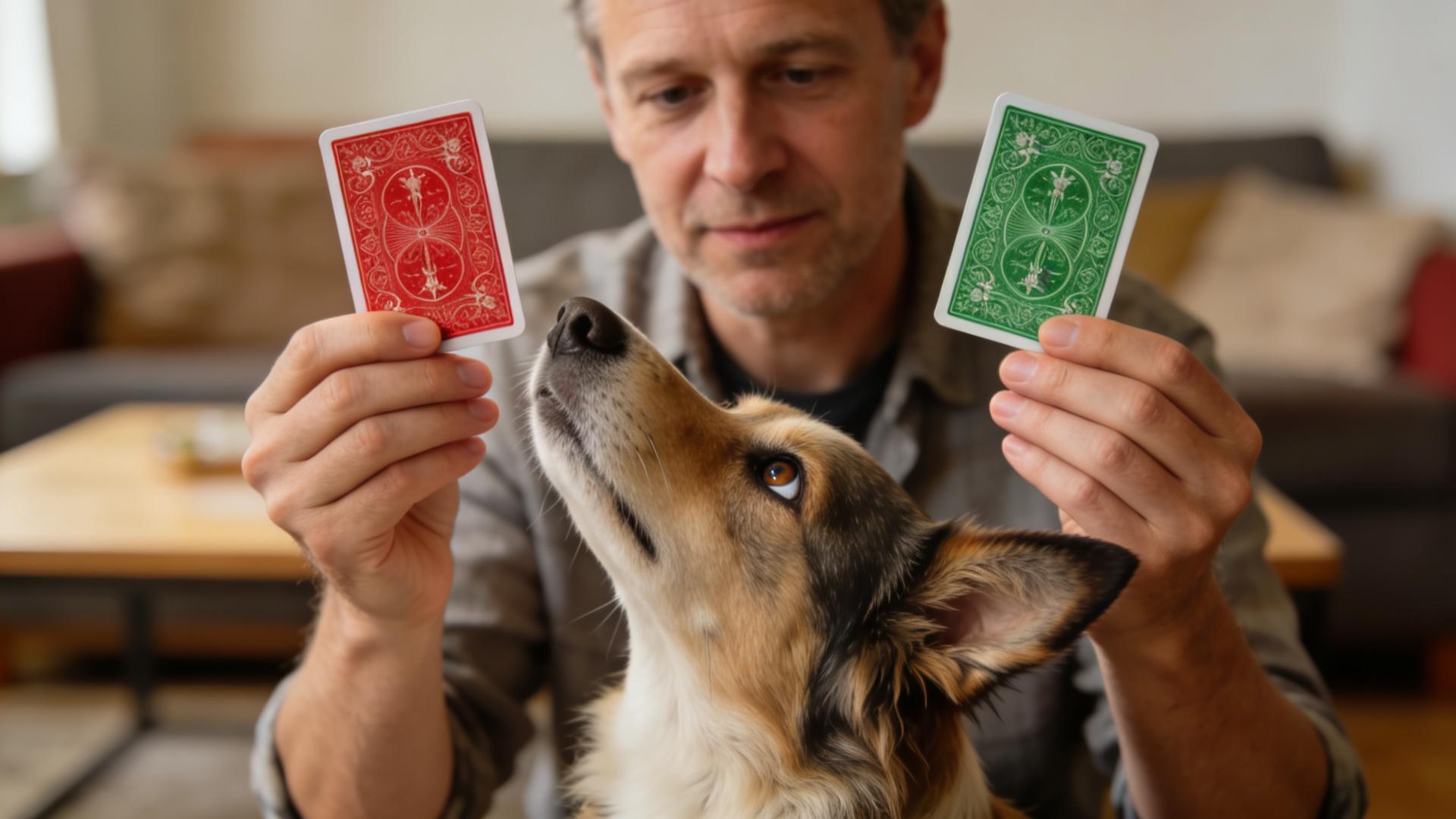
Traffic light training at intersections: Establishing visual signals for "stop" and "go".
Navigating busy urban intersections with your dog can transform a relaxing walk into a nerve-wracking game of chance. The honking cars, bustling pedestrians, and unpredictable movements create a minefield of distractions and dangers. What if you could introduce a common language of safety, one your dog understands as clearly as you understand a red or green light? This article delves into the powerful method of traffic light training for dogs, a system of visual signals that establishes crystal-clear "stop" and "go" cues. Our purpose is to provide you with a proven, step-by-step methodology to enhance your intersection safety for canines, forging not only a safer companion but a deeper bond built on communication and trust.
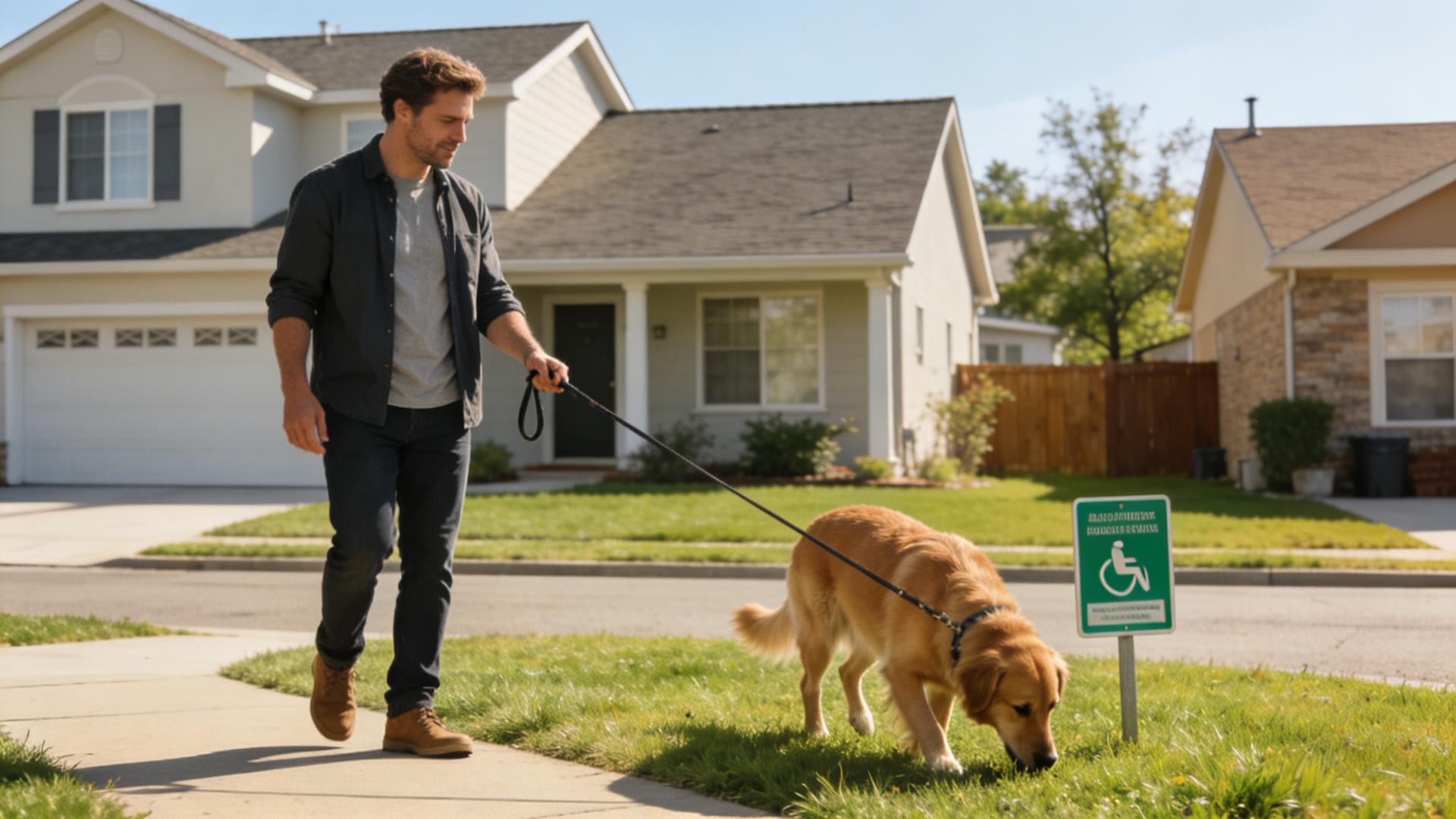
Civilized dog walking tips: Train your dog to relieve itself in designated grassy areas.
In the tapestry of community life, few threads are as common—or as potentially disruptive—as the daily dog walk. It’s a ritual of joy, exercise, and bonding. Yet, without mindful practice, it can fray into a source of neighborhood tension. The cornerstone of civilized dog walking is the simple, impactful act of guiding your dog to relieve itself in designated grassy areas. This isn't merely about convenience; it's a profound exercise in responsible dog ownership and community stewardship. This comprehensive guide will equip you with the actionable steps, scientific rationale, and nuanced understanding needed to master this essential skill, transforming your walks into a model of polite dog walking behavior.
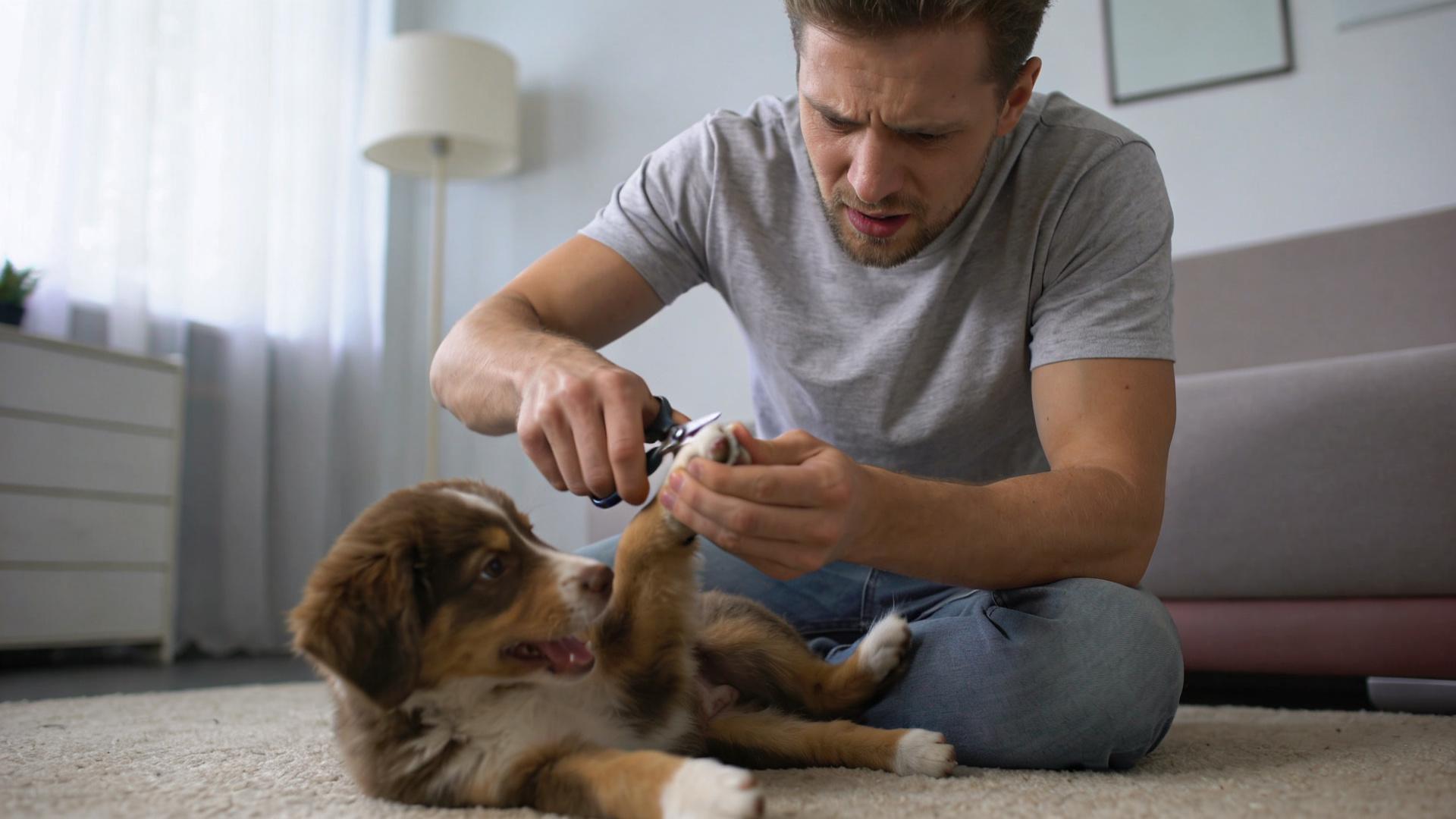
Medical desensitization training: Encourage puppies to cooperate with nail trimming and ear turning.
For countless puppy parents, the mere thought of nail trimming or ear cleaning can induce a wave of dread. What should be a routine part of healthcare often turns into a stressful wrestling match, filled with whimpers, squirms, and a frustrated owner. If this sounds familiar, you’re not alone. Many puppies view these necessary procedures with suspicion or outright fear. But what if you could transform these chores into moments of calm cooperation—or even enjoyment—for your pup? This is where the transformative power of medical desensitization training comes in. Rooted in science and compassion, this method uses patience, positive reinforcement, and a step-by-step approach to build unshakeable trust, encouraging your puppy to willingly participate in their own care. Let's explore how to turn grooming from a battle into a bonding experience.
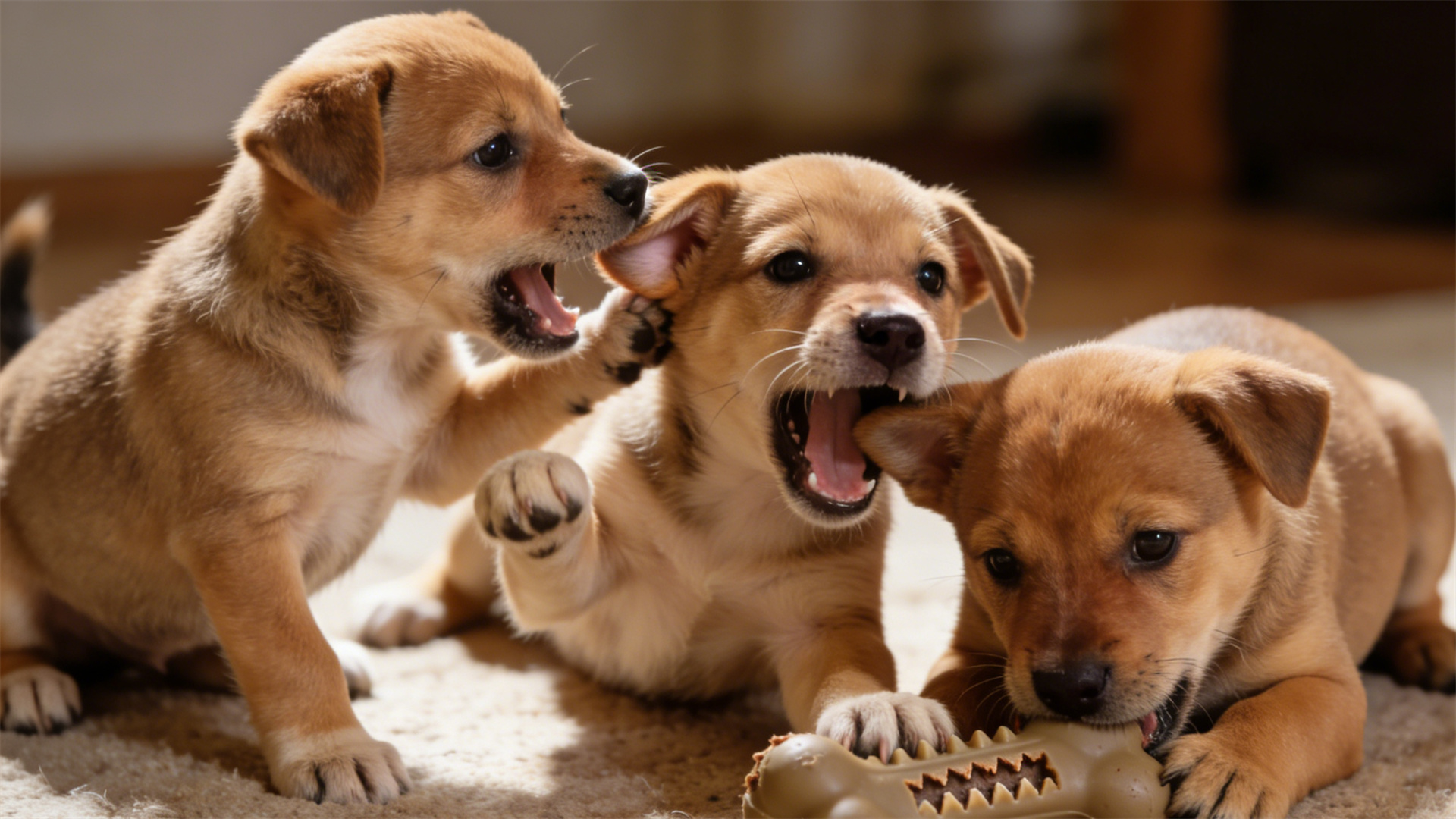
Preventing Puppies from Biting Their Hands and Feet: Correct Feedback for Correcting Puppy Biting
The joy of bringing home a new puppy is often quickly tempered by the sharp pinch of needle-like teeth on your fingers and toes. If you’ve found yourself asking, “Why does my puppy keep biting my hands and feet?” you are absolutely not alone. This is one of the most common and frustrating challenges for new dog owners. However, this behavior is a normal part of canine development, not a sign of an aggressive dog. The key lies in understanding the why behind the bites and implementing a consistent, positive strategy for preventing puppy biting. Timely and correct intervention is crucial for your safety, your puppy’s future social skills, and a harmonious home.
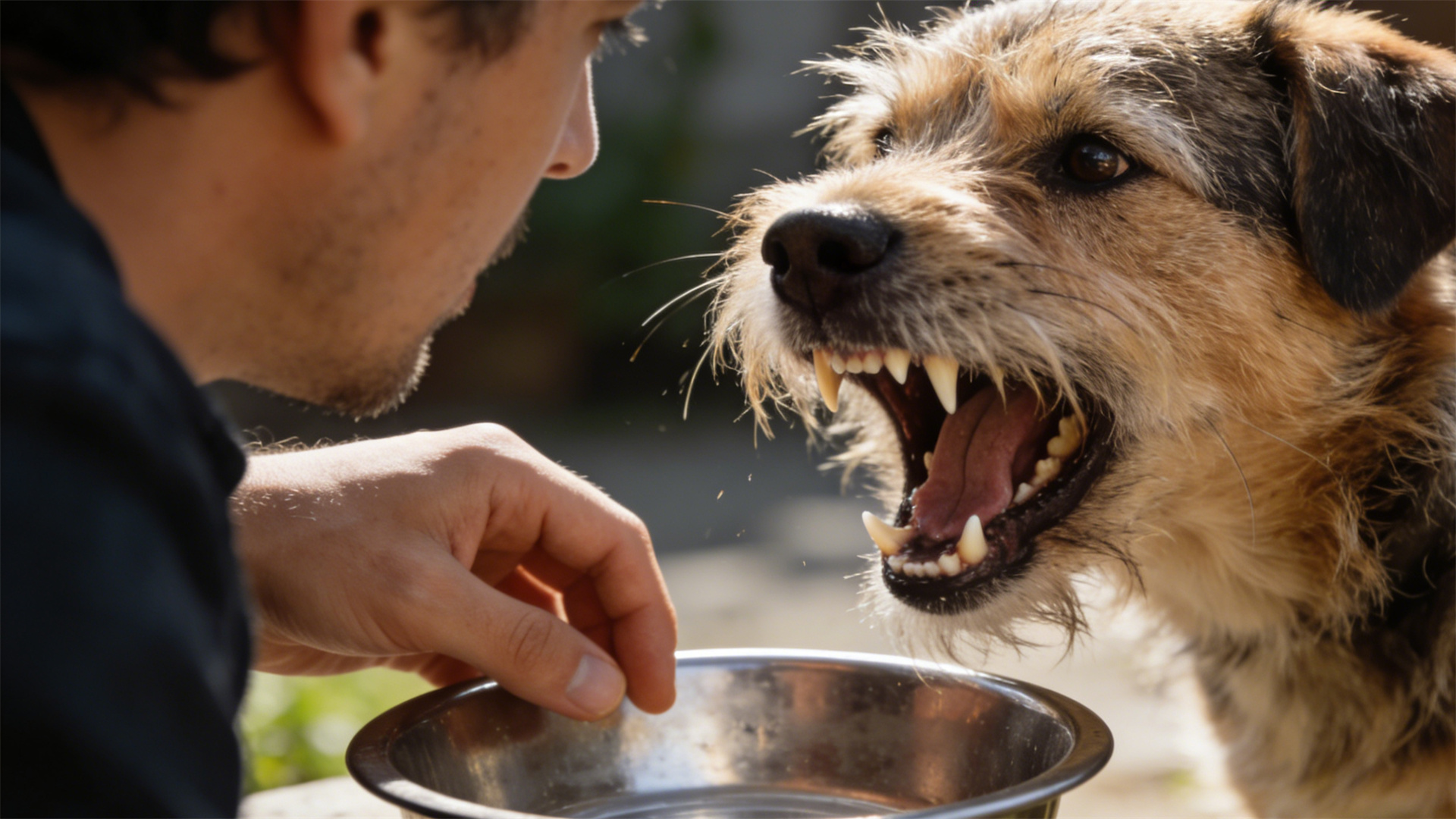
Level 4: Behavioral Modification and Psychological Counseling
The journey of canine companionship reaches its most profound stage when we move beyond basic obedience and address the complex inner world of our dogs. Canine behavioral modification and dog psychological counseling represent this advanced tier of understanding and intervention. This stage is not about teaching commands. It is a dedicated therapeutic process focused on diagnosing and rehabilitating deep-seated emotional and psychological disorders. It addresses the root causes of behaviors like aggression, severe anxiety, phobias, and compulsive disorders. Engaging in this level requires a shift from viewing a dog as "disobedient" to recognizing it as an individual experiencing significant distress. This article serves as a comprehensive guide for dedicated owners and aspiring professionals. It delves into the principles, techniques, and compassionate framework necessary for true severe dog behavior rehabilitation.