
You May Have Missed
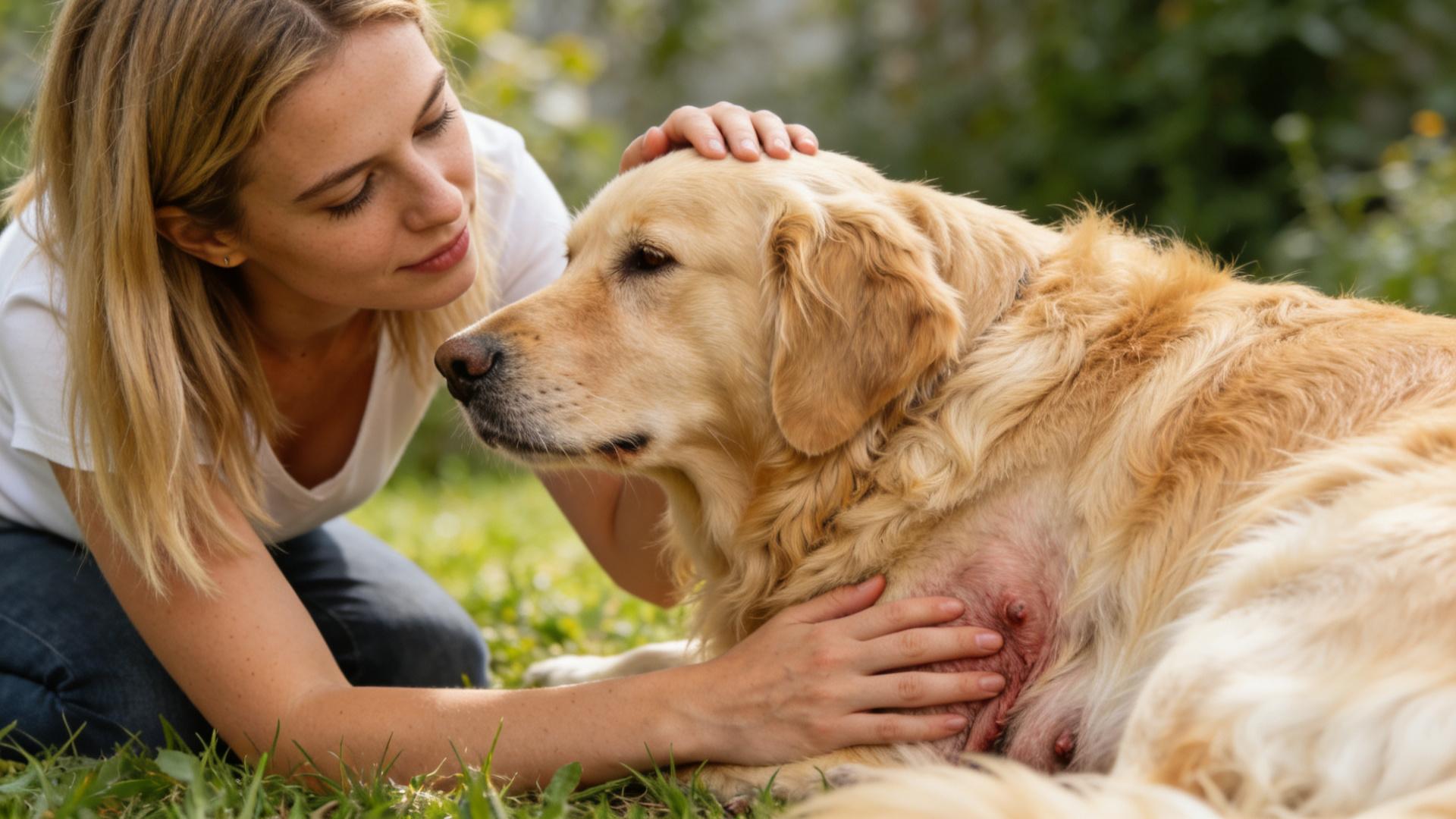
Care for female dogs in heat: Proper use of sanitary pads and local cleaning
Picture this: Your beloved furry companion, usually so neat, is suddenly leaving small droplets of blood on your favorite rug. She seems restless, is attracting every male dog in the neighborhood, and you’re left feeling a bit overwhelmed. Welcome to the canine heat cycle. For owners of female dogs, this is an inevitable phase that requires extra care and attention. The goal of this comprehensive guide is to transform that feeling of overwhelm into one of confidence. We will provide you with a detailed, step-by-step manual on hygiene management for your dog in heat, focusing on the proper use of sanitary pads and safe, effective local cleaning techniques. Let’s ensure this natural process is as comfortable and clean as possible for both you and your pup.
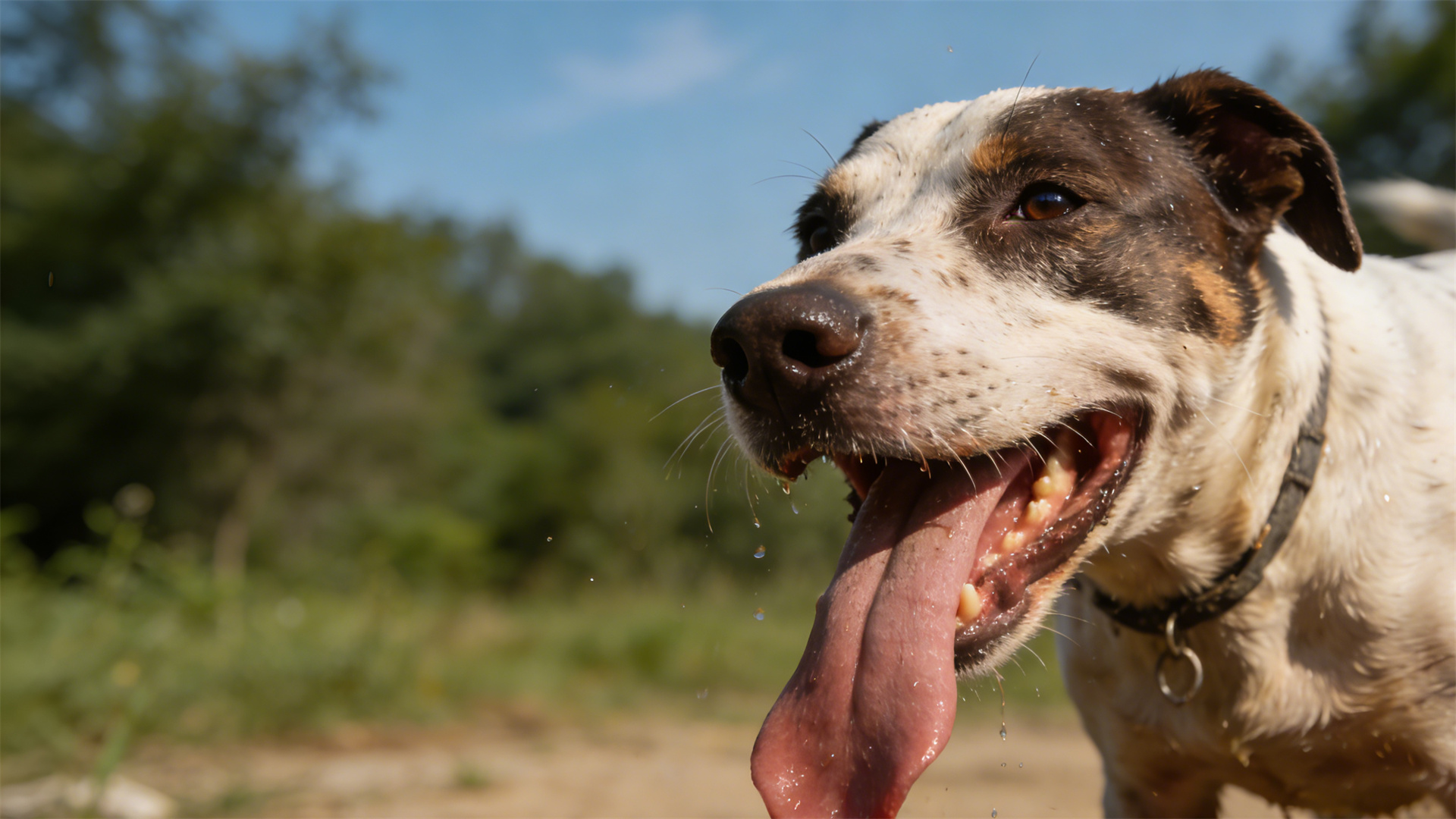
Extreme weather protection
As a devoted dog owner, you’re likely attuned to your furry friend's every whimper and tail wag. But when extreme weather strikes—be it blistering heat, bone-chilling cold, or violent storms—our canine companions rely entirely on us for their safety and well-being. Extreme weather protection for dogs isn't a luxury; it's a fundamental aspect of responsible pet ownership. This comprehensive guide merges essential veterinary knowledge with practical, actionable steps to equip you for anything Mother Nature throws your way. Whether you're a new puppy parent or a seasoned dog handler, understanding these health and safety principles is crucial for your pet's long-term vitality.
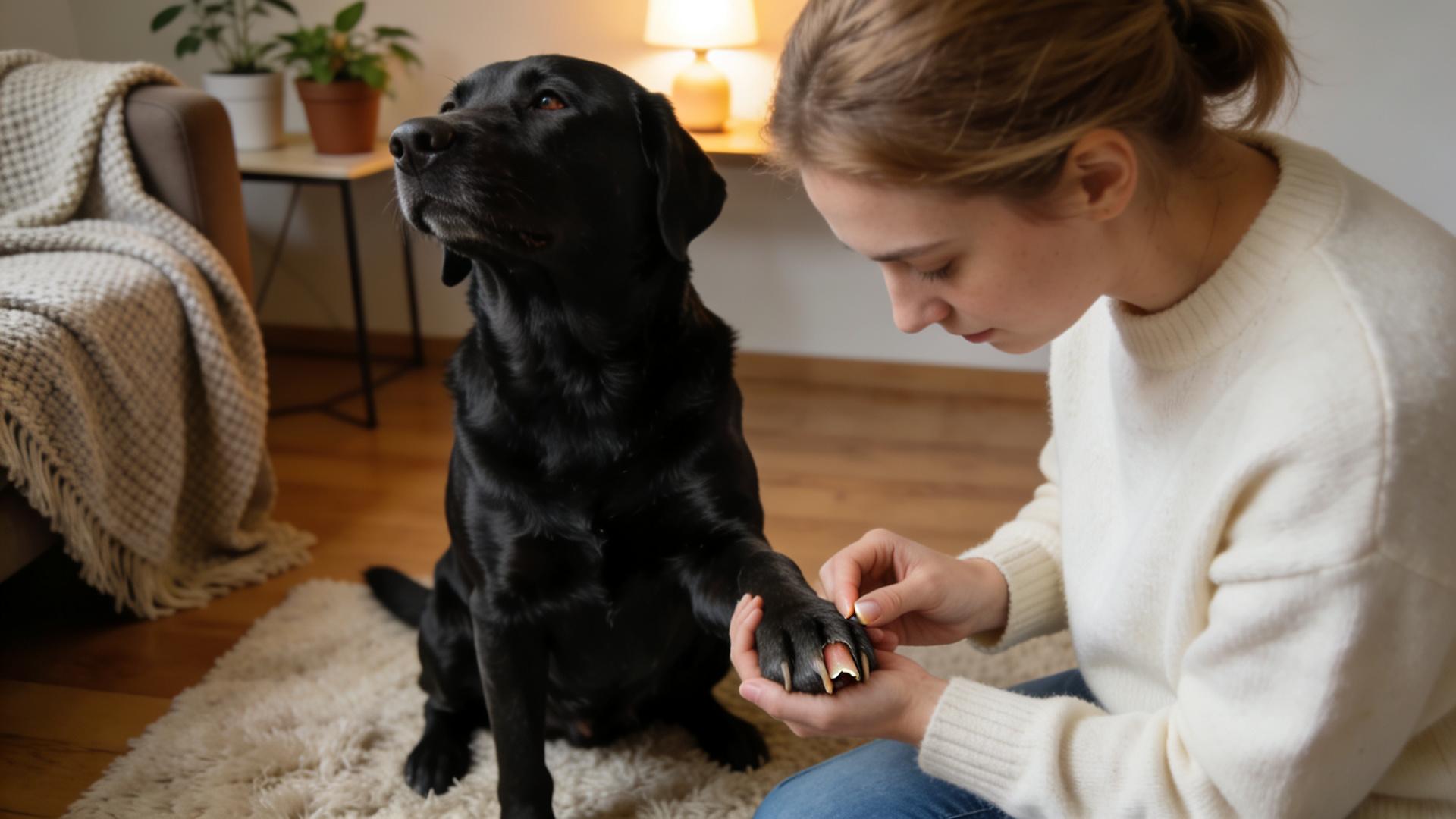
Home emergency treatment for split dog nails: Trimming and disinfection procedures
A sudden yelp, a limp, or a telltale red smear on your floor—a split dog nail is a common yet distressing canine crisis. For any pet owner, witnessing this injury can trigger a wave of panic. However, your swift and knowledgeable action at home is often the most critical factor in preventing infection, alleviating pain, and ensuring a smooth recovery. This comprehensive guide transforms you from a concerned owner into a capable first-aid provider, walking you through every step of professional-grade emergency dog nail care from the comfort of your home.
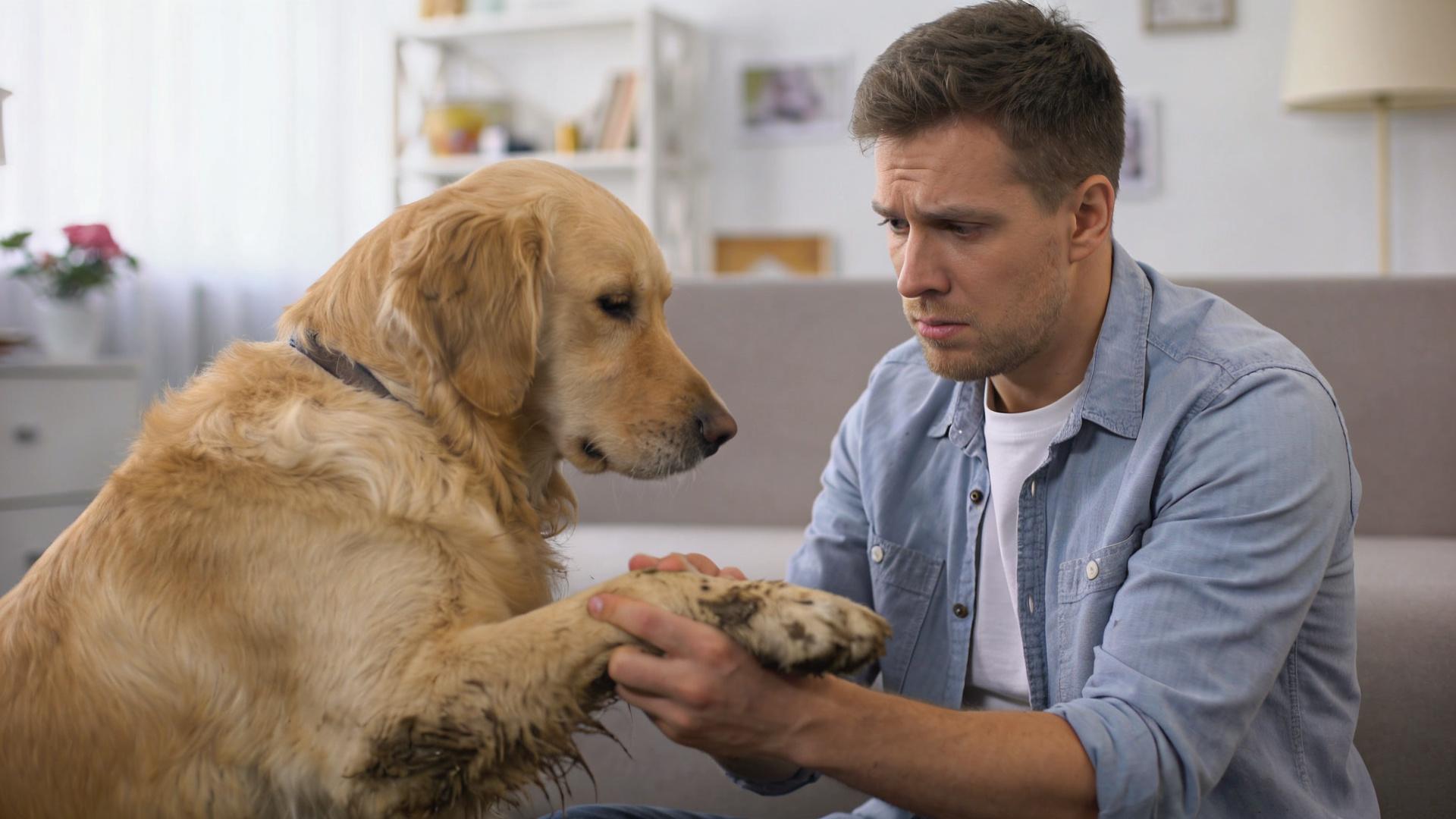
In-depth analysis: Why does frequent bathing cause skin diseases in dogs?
You love your dog, and you want them clean, fresh, and smelling great. It seems logical: a dirty dog gets a bath. But what if your well-intentioned frequent bathing is secretly sabotaging your best friend's health? Imagine this: after a muddy park adventure, you give your pup a thorough scrub. A week later, they're scratching again, so into the tub they go. Soon, you notice dry, flaky patches, a faint odd smell, or persistent itching. This common scenario leads us to a critical question: Can washing your dog too often actually make them sick? This article provides a comprehensive, evidence-based explanation of how frequent bathing disrupts the delicate health of canine skin, leading to diseases, and offers practical guidance for safe, effective grooming.
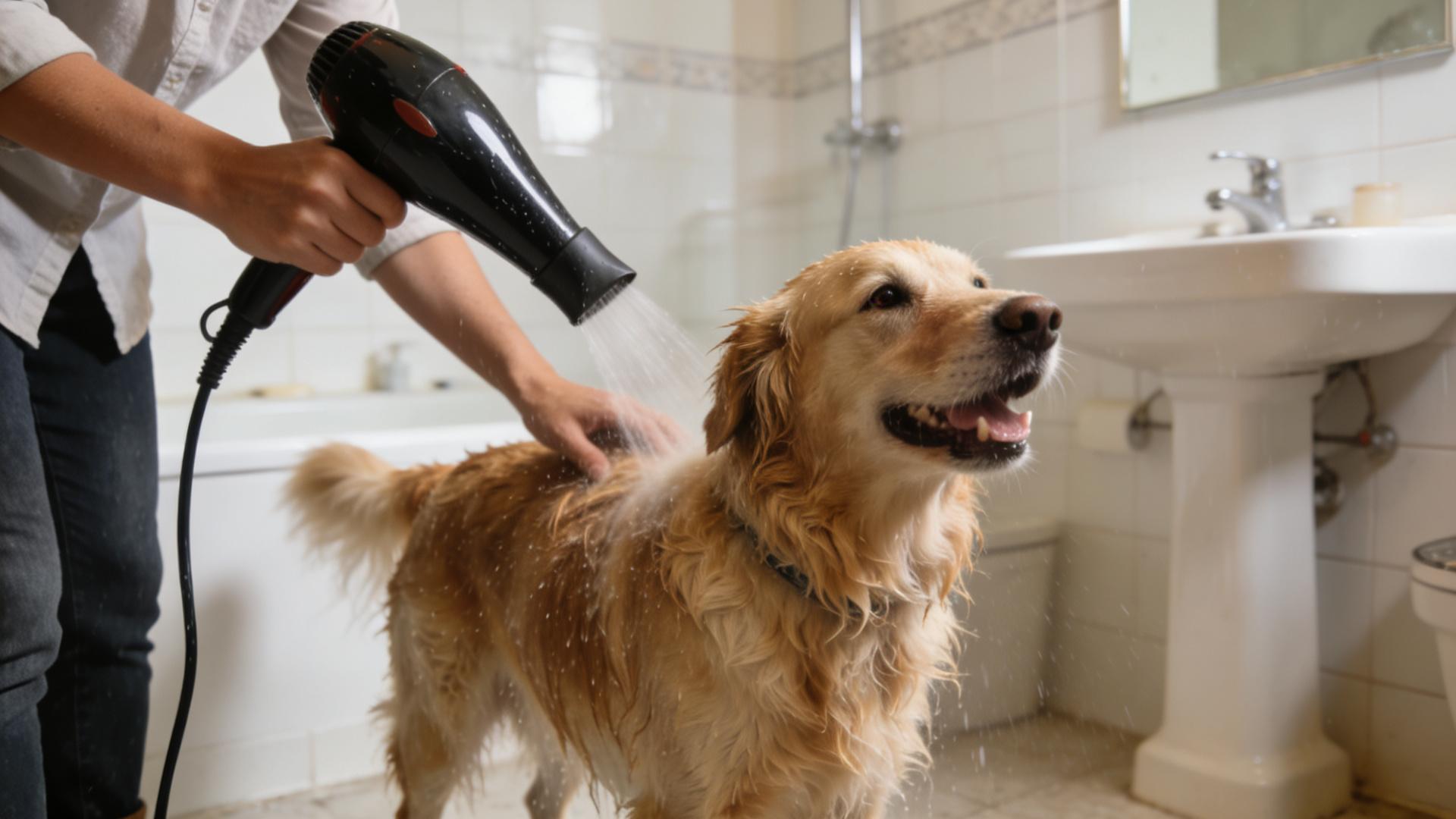
The underlying reason why dogs must be dried after a bath: a breeding ground for eczema and fungal infections.
For many dog owners, bath time is the main event—the suds, the scrubbing, the sometimes comedic struggle. The job feels done once the last rinse is complete. However, this mindset overlooks the most critical step in the entire grooming process: thorough drying. Incomplete drying is not merely an oversight that leaves your dog damp and uncomfortable; it is an active risk factor that creates a perfect, humid breeding ground for serious and painful skin conditions. Understanding the science behind this process is the cornerstone of proactive, preventative canine care. This article delves deep into why skipping this step is one of the most common and detrimental dog bathing mistakes, and how a proper routine is your best defense.
Effectively remove dog odor from your home: Mainstream odor removers and air circulation solutions for 2026
You've cleaned every surface, washed all the blankets, and yet that distinctive dog odor lingers in your home like an uninvited guest. It's a blend of wet fur, earthy paws, and something else you can't quite pinpoint—a stubborn aroma that seems embedded in the very air you breathe. If this scenario feels all too familiar, you're not alone. The challenge of pet odors is universal for dog owners, but the solutions are evolving rapidly. This article is your definitive, forward-looking guide to reclaiming a fresh-smelling home. We will delve into the most effective, mainstream odor removers for 2026 and pair them with cutting-edge air circulation solutions for odors, providing you with a comprehensive, modern strategy to eliminate canine smells for good.