
You May Have Missed

Resource competition pressure in multi-dog households: How to alleviate long-term social stress in dogs
You come home to your two dogs, and instead of a joyful, wiggling greeting, you're met with a subtle tension. One dog is on the couch, stiffening as the other walks by. The younger dog quickly grabs a toy and scurries to another room when the older one glances over. There's no growling, no fights—just a quiet, palpable strain in the air. This is the often-overlooked reality of resource competition in a multi-dog household, and it extends far beyond squabbles over food bowls. Resources include prime sleeping spots, your attention, doorways, and even a clear path to walk through a room. When dogs live in a state of low-grade, perpetual negotiation for these assets, it leads to long-term social stress, a serious health and welfare issue that can manifest in behavioral and physical decline. The good news? This guide provides actionable, evidence-based strategies to transform your home into a more peaceful, predictable, and low-stress environment for every canine member of your family.
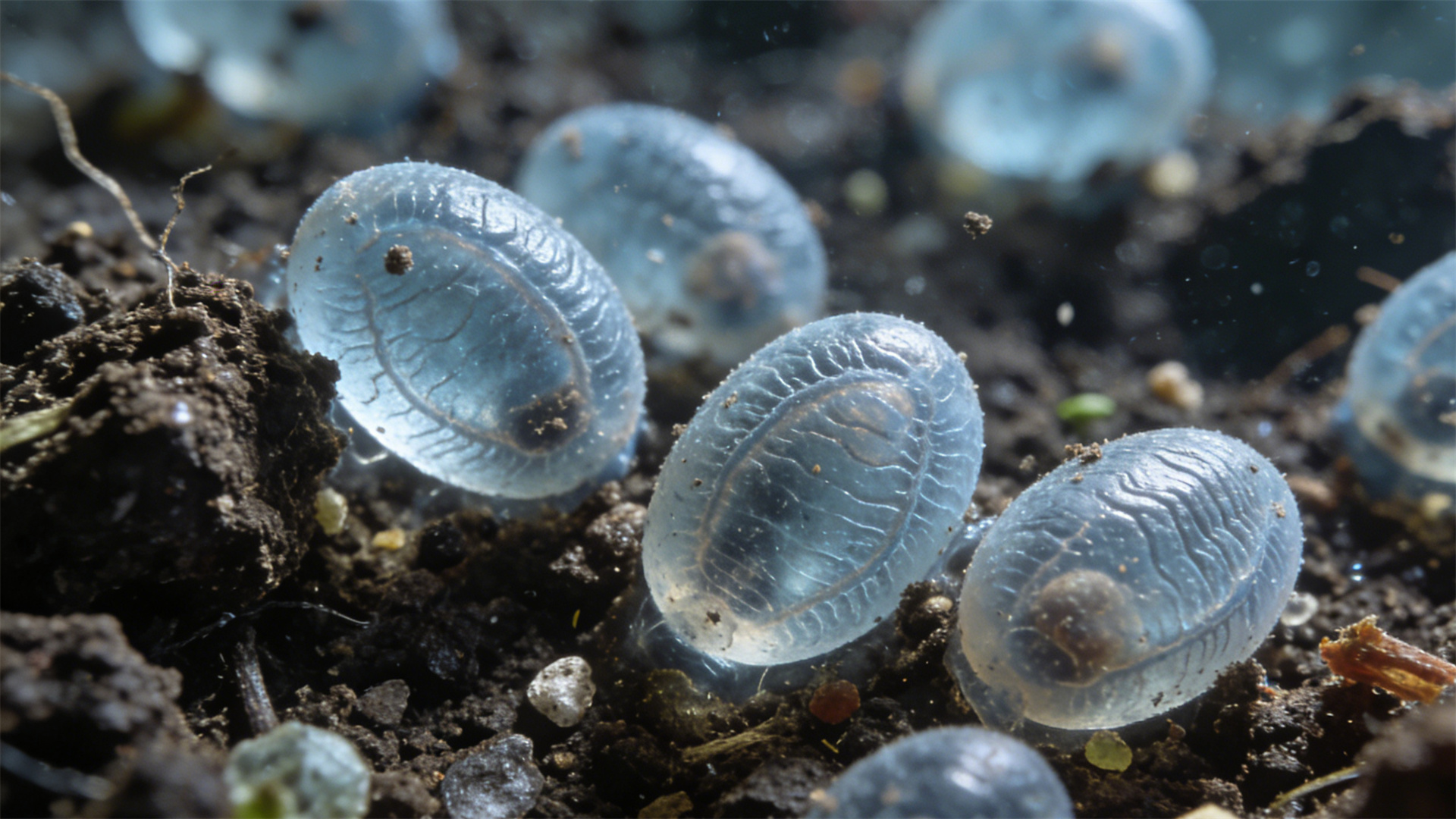
Warning about zoonotic diseases in cats and dogs: How to prevent cross-infection of parasites in multi-pet households
Welcome to your essential guide for safeguarding your furry family and yourself! If your home is blessed with the pitter-patter of both canine and feline paws, you're part of a vibrant multi-pet household. However, this wonderful coexistence comes with a heightened responsibility: managing the risk of zoonotic diseases. These are infections that can transfer from animals to humans, and parasites are often the culprits. The close quarters of a shared home create perfect conditions for parasite cross infection. But fear not—with knowledge and proactive steps, you can create a fortress of safety. This article will equip you with everything you need to know about common threats and actionable zoonosis prevention tips.
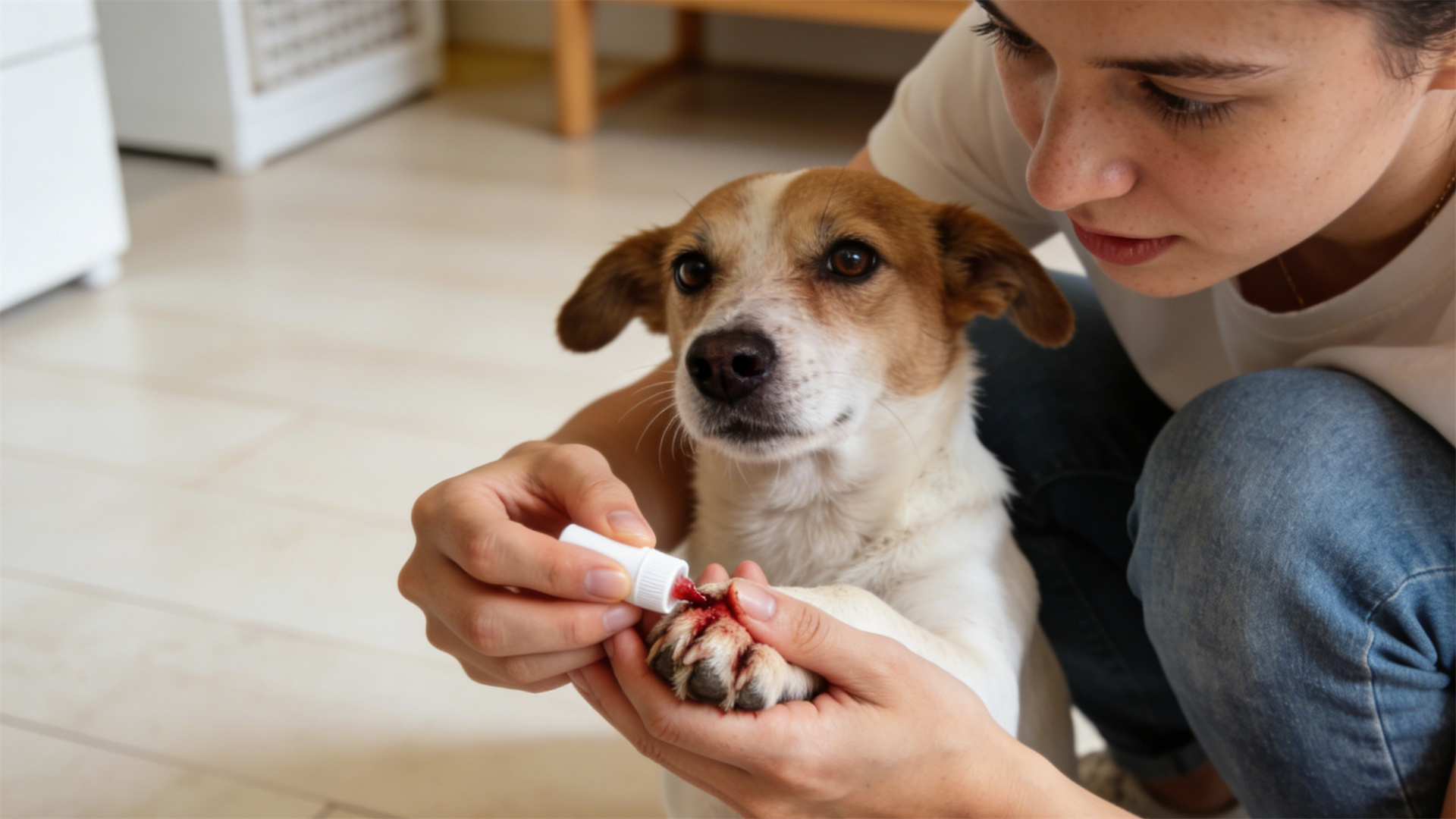
First aid for nails clipped too short: essential home remedies for styptic powder and wound treatment.
The sudden sight of blood after a nail trim can send any dog owner into a panic. Rest assured, accidentally clipping your dog's nail too short and nicking the quick is an incredibly common grooming mishap. This article provides a calm, step-by-step guide to managing this situation at home. Our immediate goals are to stop the bleeding effectively and prevent infection. Understanding a bit of anatomy helps: inside your dog's nail is a living, blood-rich nerve called the quick. In light-colored nails, it's visible as a pinkish area; in dark nails, it's hidden. Cutting into it causes bleeding and discomfort, but with the right first aid, it's a quickly solvable problem.

Corgi and Dachshund Spinal Insurance: Home Taboos for Protecting Intervertebral Discs (IVDD)
For the devoted owner of a Corgi, Dachshund, or similar short-legged breed, that joyful, wiggly gait is a constant source of delight. Yet, beneath that charming exterior lies a hidden vulnerability: a significant risk for Intervertebral Disc Disease (IVDD). This condition, where the cushioning discs between the vertebrae degenerate or herniate, can lead to pain, nerve damage, and even paralysis. The financial and emotional toll of treating IVDD can be overwhelming. This comprehensive guide addresses two critical pillars of proactive care: understanding the home taboos essential for prevention and demystifying the vital safety net of Corgi and Dachshund spinal insurance. By mastering both, you can dramatically improve your dog's quality of life and be financially prepared should a crisis arise.
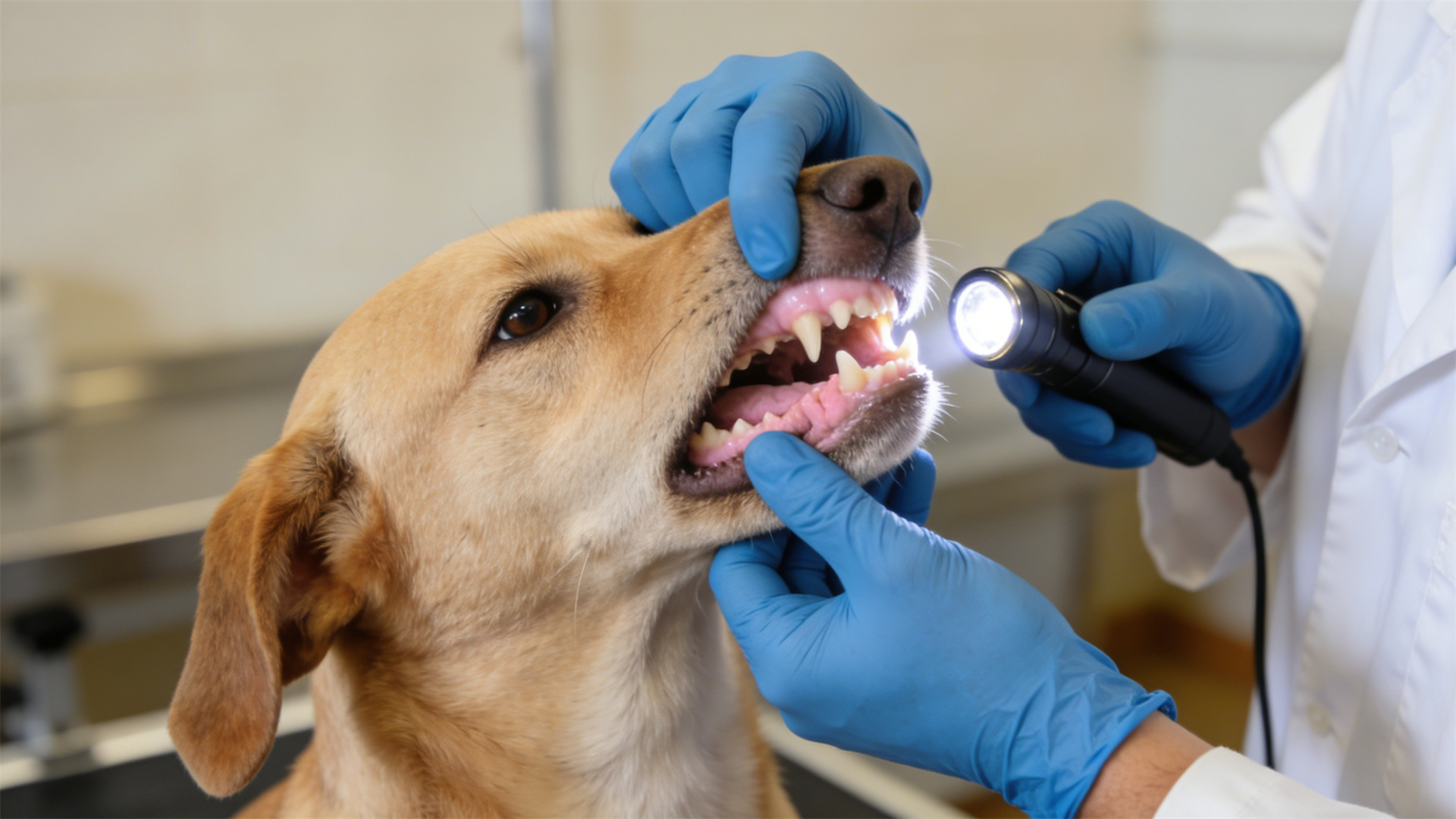
A Must-Read Nutritional Balance Formula for Homemade Dog Food: Avoiding Common Misconceptions Leading to Anemia
As a loving dog owner, you've likely considered homemade meals to provide the best for your furry companion. But did you know that well-intentioned kitchen efforts are a leading cause of nutritional deficiencies like anemia in dogs? A startling number of pets on homemade diets suffer from preventable health issues due to imbalanced nutrition. This article serves as your comprehensive guide, offering a reliable nutritional balance formula and dismantling the dangerous misconceptions that put your dog's health at risk. Let's ensure your culinary love translates into genuine, lifelong vitality for your pet.

Summer heatstroke first aid: Cooling procedures within the golden 3 minutes and prevention of organ failure
Heatstroke is a true medical emergency that can kill a healthy dog in less than 15 minutes. When your dog's body temperature spirals out of control, a devastating chain reaction begins inside their organs. Your actions in the first golden three minutes are the single most critical factor that will determine whether your pet survives or succumbs to catastrophic organ failure. This guide provides a clear, step-by-step canine heatstroke first aid protocol you must know and the essential knowledge to prevent this crisis from ever happening.