
You May Have Missed
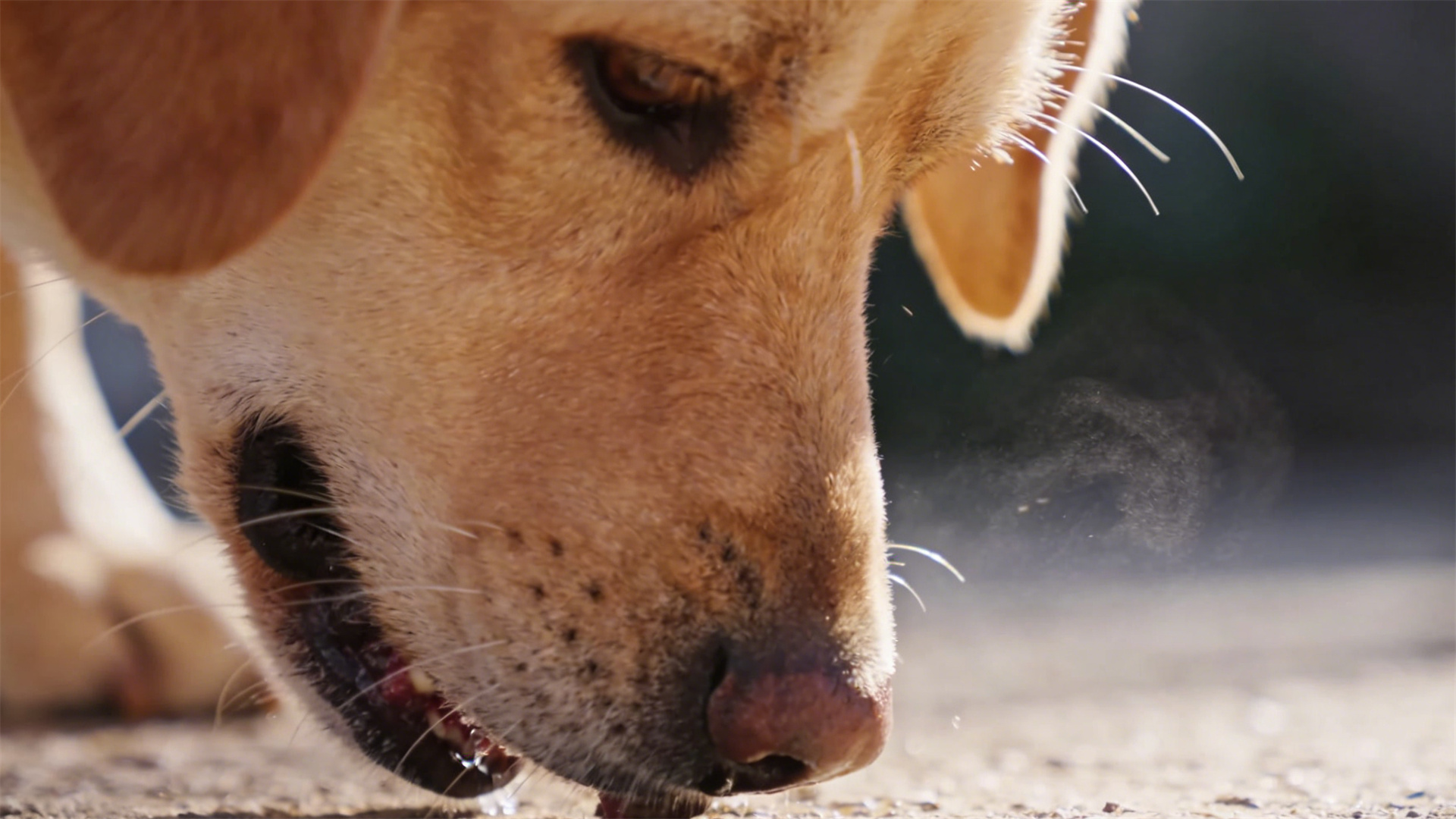
Cognitive Enrichment in Urban Dogs: The Anti-Aging Effects of 15 Minutes of Daily Sniffing on the Brain
In the heart of the city, our canine companions navigate a world of concrete, schedules, and limited greenery. While we strive to meet their physical needs with brisk walks, we often overlook their most powerful sense and the brain health benefits it unlocks. The modern urban dog faces a hidden crisis: cognitive under-stimulation. This article delves into the transformative power of a simple, science-backed practice—dedicated sniffing time—and how just 15 minutes daily can serve as a potent form of cognitive enrichment and an anti-aging workout for your dog’s brain.
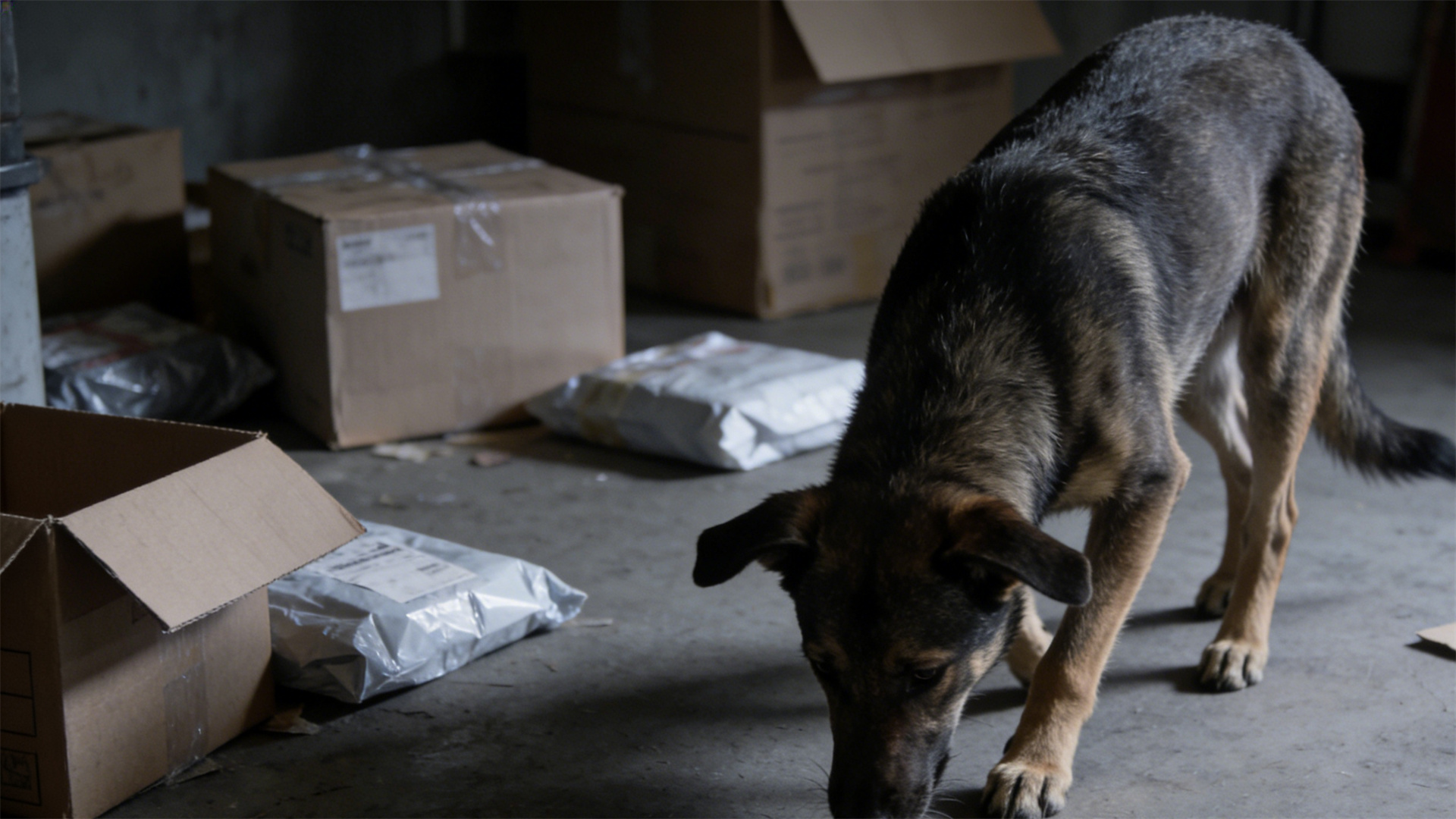
Moderate stress vs. excessive stress: A mental health assessment while traveling with a dog
The car is packed, the route is mapped, and the adventure awaits. You look in the rearview mirror, excited to share this journey with your furry best friend. But instead of a happy pant, you see wide eyes, a tucked tail, or hear a persistent whine. It’s a moment every traveling dog owner knows: is this just normal travel nerves, or is my dog in real distress? Understanding the difference is the cornerstone of being a responsible, empathetic pet parent on the road. This guide moves beyond simple "calming tips" to provide you with a practical, proactive framework for assessing your dog's mental wellbeing during travel. By learning to distinguish between adaptive stress and overwhelming anxiety, you become your dog's most powerful advocate for a happier, healthier journey.

Compulsive behaviors (such as tail chasing): Is it naughtiness or brain damage?
As a dog owner, few sights are as simultaneously amusing and perplexing as watching your dog spin in frantic circles, determined to catch that elusive tail. It’s a classic canine quirk, often laughed off as a moment of goofy antics. But when the spinning becomes a daily ritual, when it intensifies to the point of exhaustion or injury, that amusement can quickly curdle into concern. Is this just a naughty phase, a silly habit? Or could it be a red flag for something more serious, like brain damage or a neurological disorder? Understanding the stark difference between playful behavior and a pathological compulsion is not just academic—it’s crucial for the long-term health and happiness of your four-legged family member.
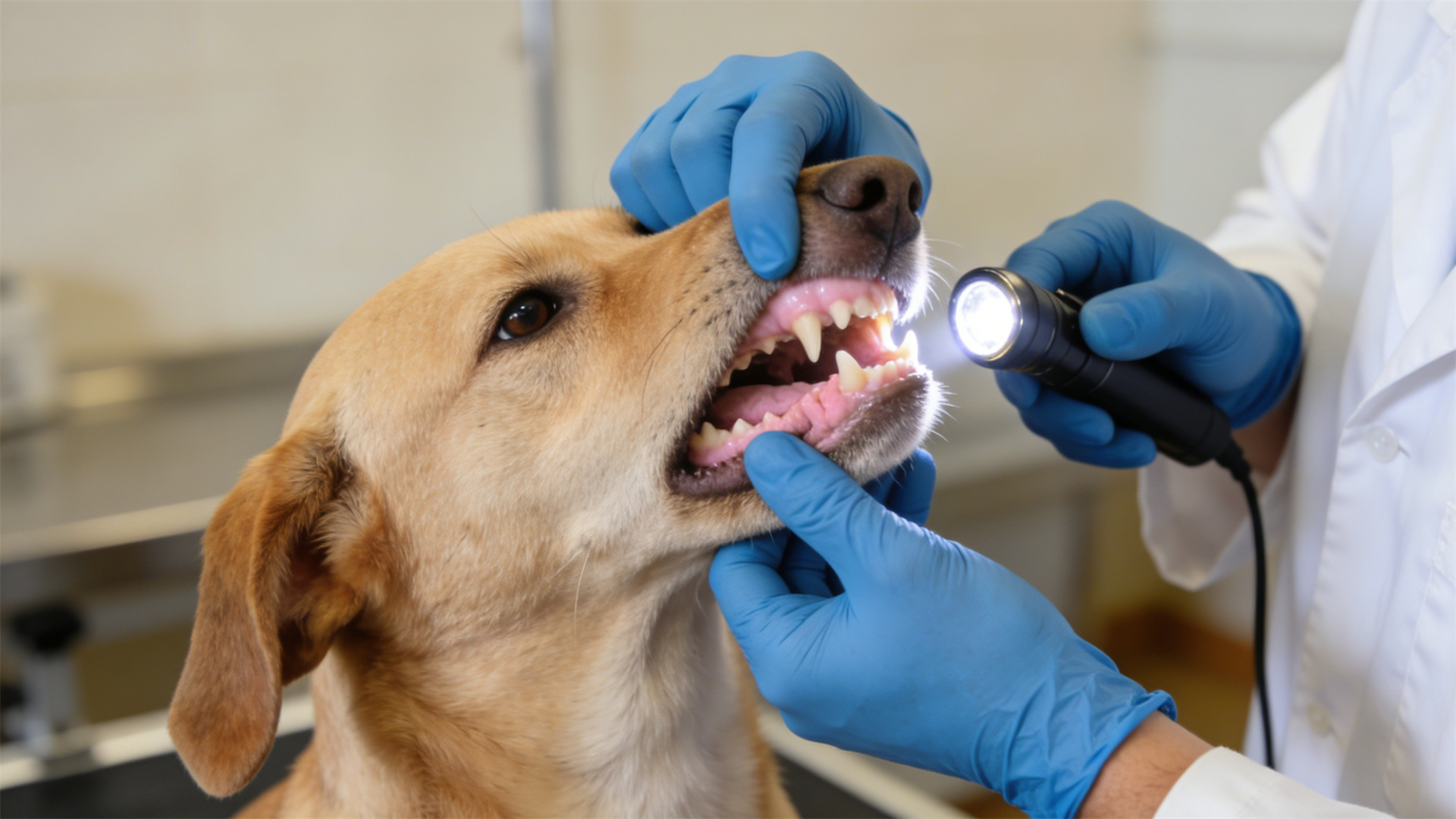
A Must-Read Nutritional Balance Formula for Homemade Dog Food: Avoiding Common Misconceptions Leading to Anemia
As a loving dog owner, you've likely considered homemade meals to provide the best for your furry companion. But did you know that well-intentioned kitchen efforts are a leading cause of nutritional deficiencies like anemia in dogs? A startling number of pets on homemade diets suffer from preventable health issues due to imbalanced nutrition. This article serves as your comprehensive guide, offering a reliable nutritional balance formula and dismantling the dangerous misconceptions that put your dog's health at risk. Let's ensure your culinary love translates into genuine, lifelong vitality for your pet.
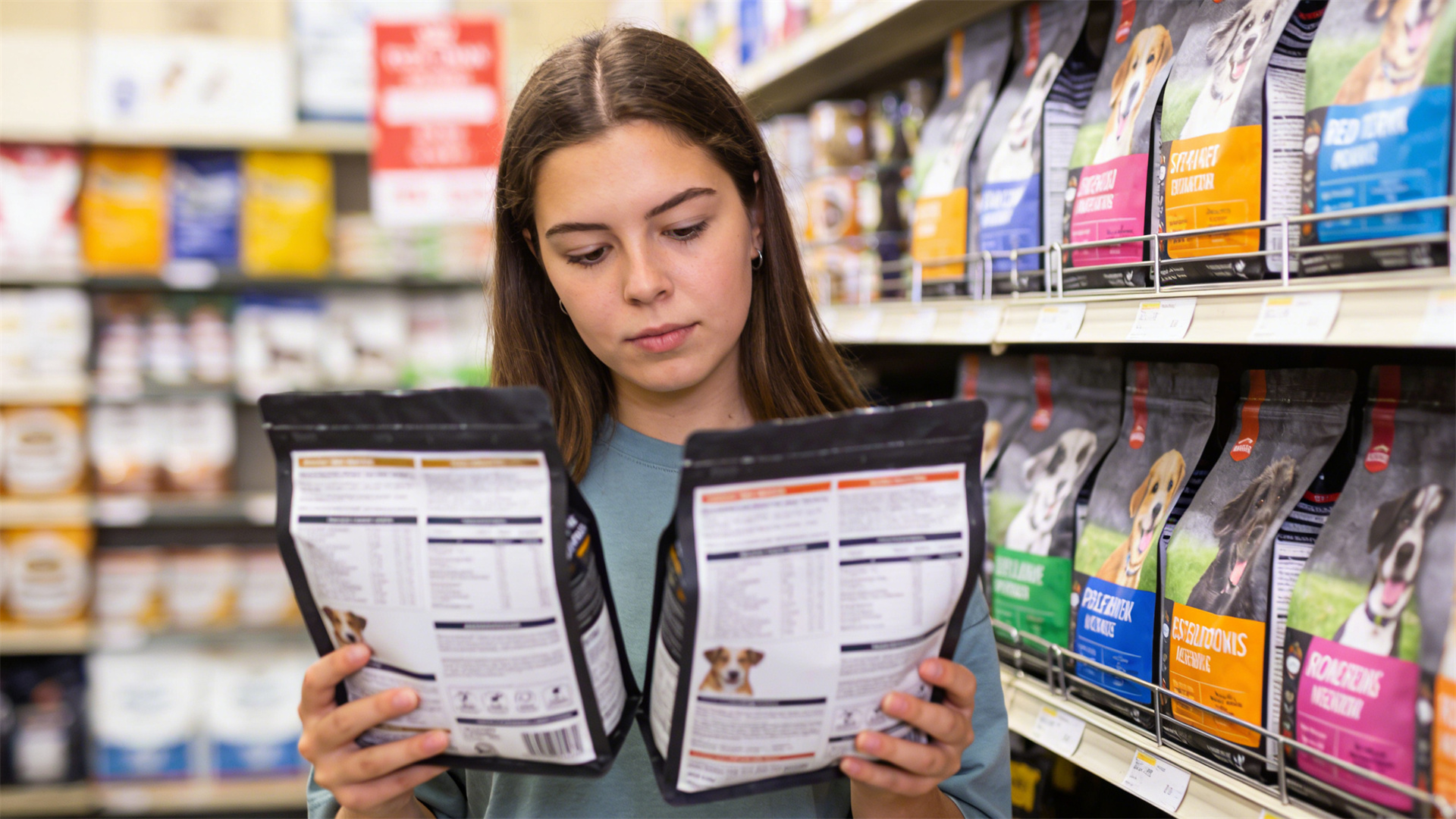
In-depth analysis of dog food ingredient lists: How to identify hidden "appetizer traps"
You stand in the pet store aisle, holding two bags of dog food. Both promise complete nutrition, shiny coats, and boundless energy. You flip the bags over, intent on being a conscientious pet parent, only to be met with a dizzying wall of text: "Poultry by-product meal, corn gluten meal, animal digest, natural flavors..." Your eyes glaze over. Which one is truly better? You’re not alone in this confusion. For millions of dog owners, the ingredient list on a pet food bag is a cryptic puzzle, often designed to appeal to the buyer rather than reveal the full nutritional story for the dog. This article will serve as your decoder ring, empowering you to look beyond the marketing on the front and master the fine print on the back. We will shine a light on the hidden "appetizer traps"—those ingredients added primarily to manipulate palatability artificially—and teach you how to choose a food that nourishes your dog from the inside out. 🐕
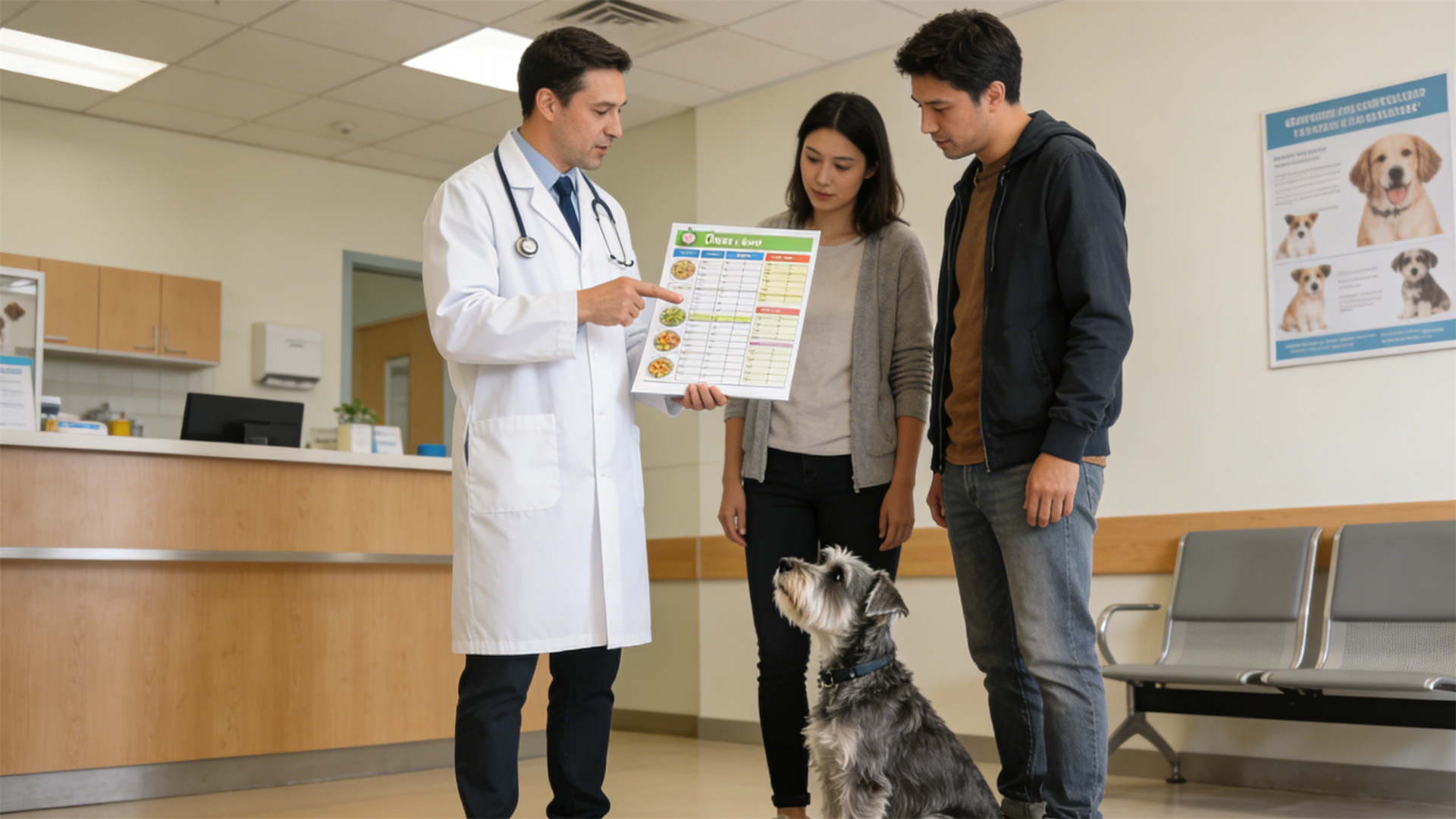
Schnauzer's hyperlipidemia: Why does this breed require a stricter diet with less oil?
With their iconic beards, bushy eyebrows, and spirited personalities, Schnauzers have captured the hearts of dog lovers worldwide. Whether it’s the spunky Miniature, the standard-bearer Standard, or the regal Giant, this breed family is renowned for its intelligence and loyalty. However, beneath that wiry coat lies a hidden, breed-specific metabolic quirk that demands vigilant attention from owners: a profound predisposition to hyperlipidemia. This condition makes a tailored, low-fat Schnauzer diet less oil not just a recommendation, but a critical component of lifelong health. This article delves into the genetic reasons, the potential health fallout, and the practical Schnauzer dietary requirements to manage this silent threat.