
You May Have Missed
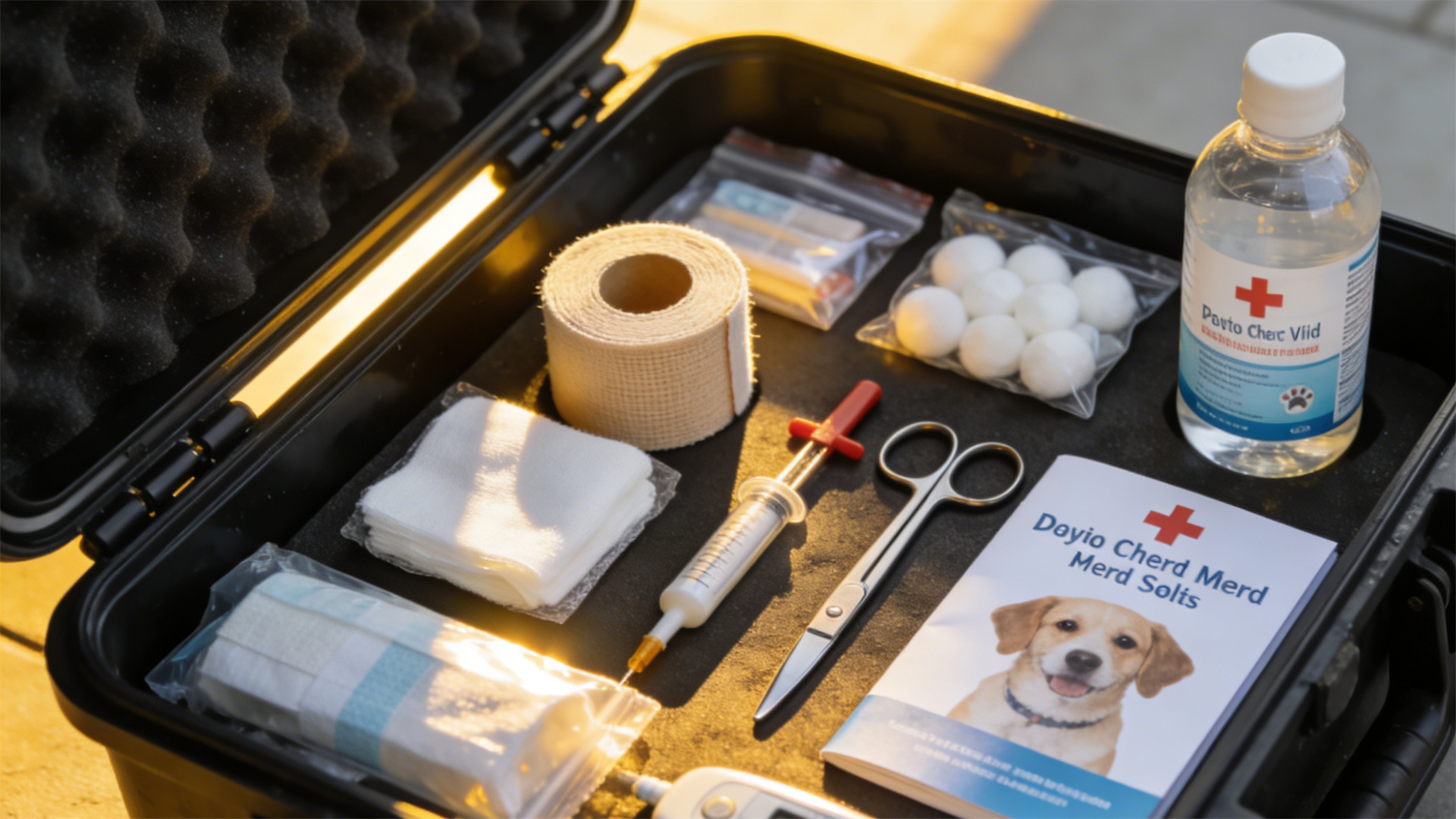
First aid kit and common medicines
As a loving dog owner, you provide the best food, cozy beds, and endless playtime. But what about when the unexpected happens? A sudden limp, a curious encounter with a bee, or an upset stomach can turn an ordinary day into a moment of panic. Preparedness is the cornerstone of responsible pet ownership. Having a well-stocked dog first aid kit and a clear understanding of common medicines for dogs can empower you to act swiftly and effectively in minor situations, bridging the gap between incident and veterinary care. This guide is your comprehensive, actionable resource to build your kit, understand safe medication basics, and always know when to call the vet.
A Must-Read Nutritional Balance Formula for Homemade Dog Food: Avoiding Common Misconceptions Leading to Anemia
As a loving dog owner, you've likely considered homemade meals to provide the best for your furry companion. But did you know that well-intentioned kitchen efforts are a leading cause of nutritional deficiencies like anemia in dogs? A startling number of pets on homemade diets suffer from preventable health issues due to imbalanced nutrition. This article serves as your comprehensive guide, offering a reliable nutritional balance formula and dismantling the dangerous misconceptions that put your dog's health at risk. Let's ensure your culinary love translates into genuine, lifelong vitality for your pet.

Peritonitis and Sepsis: First Aid and Post-Ingestion Health Management for Dogs
In the world of canine emergencies, few situations are as stealthy and devastating as peritonitis and its deadly progression to sepsis. These conditions represent a cascade of internal catastrophe where every minute counts. Peritonitis is a severe, often painful inflammation of the abdominal lining, typically caused by a rupture or infection. Sepsis is the body's overwhelming and life-threatening response to that infection, which can spiral into septic shock, organ failure, and death with terrifying speed. This guide is your crucial resource. Its purpose is to arm you, the devoted dog owner, with the knowledge to recognize the early warning signs, administer stabilizing first aid, and navigate the critical path of post-veterinary care to give your beloved companion the best chance at survival.
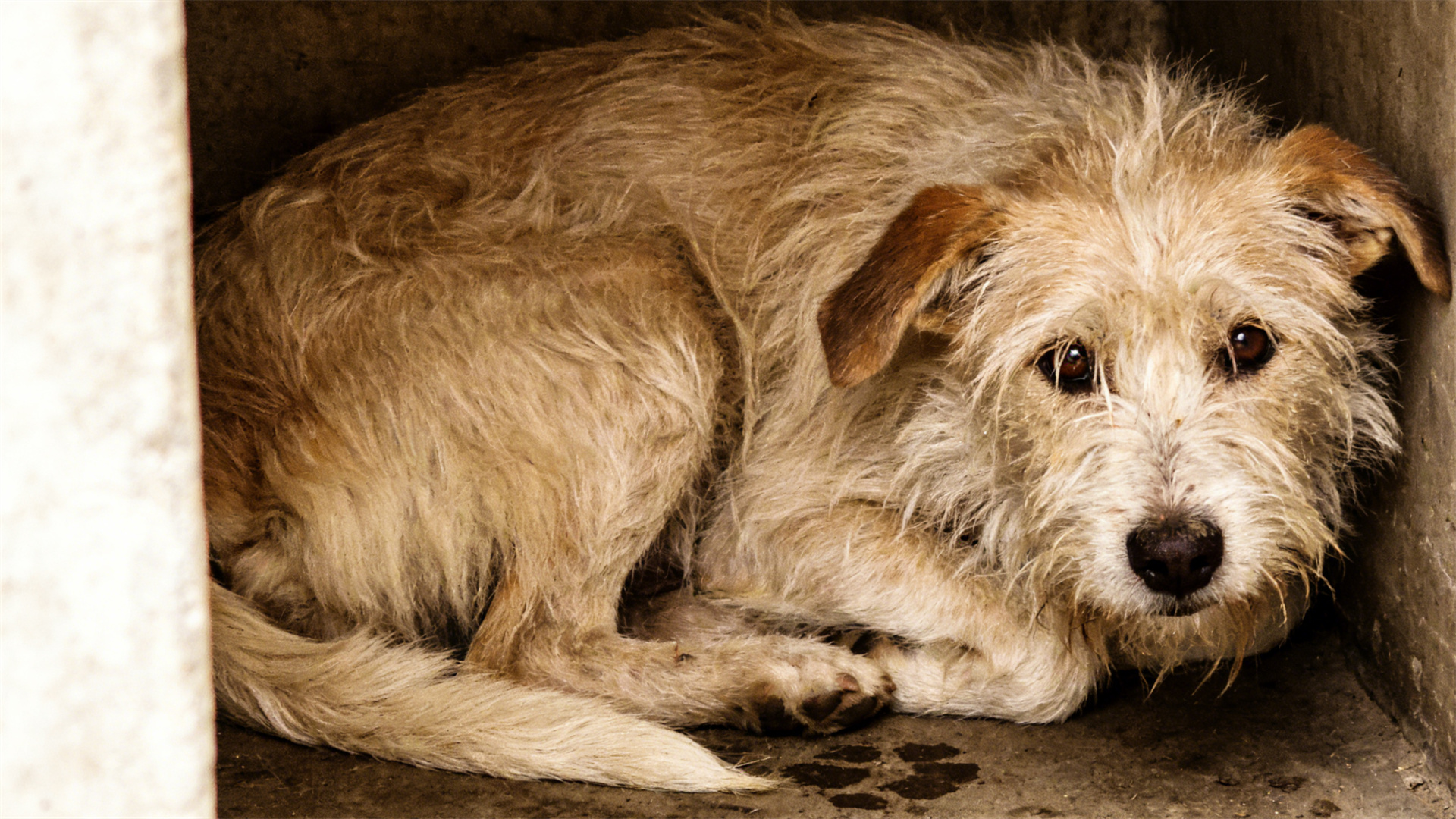
Physiological manifestations of separation anxiety: How chronic stress damages a dog's immune system
You notice the shredded couch cushion, the anxious whining as you grab your keys, the frantic greeting when you return—even from a quick grocery run. Most dog owners recognize these as classic signs of separation anxiety. But what many fail to see is the invisible, internal storm brewing beneath the surface. This isn't just a behavioral issue; it's a profound physiological crisis that systematically dismantles your dog's health from the inside out. The chronic stress of separation anxiety doesn't just hurt your dog's feelings; it inflicts measurable, long-term damage to your dog's immune system, opening the door to a host of serious illnesses. Understanding this link is the first, most critical step in protecting your loyal companion's long-term vitality.
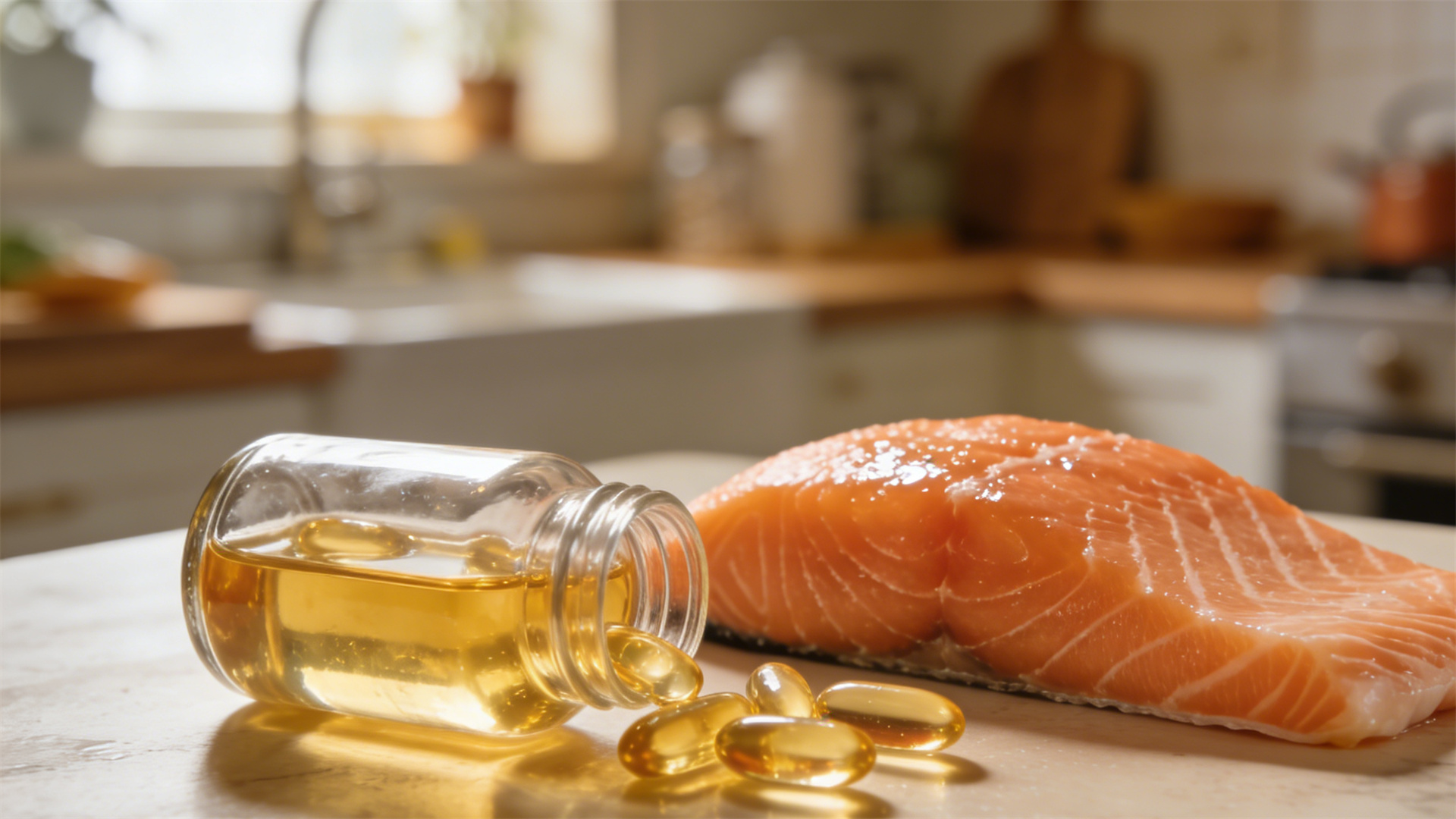
Omega-3 Deep Choice: Fish Oil, Krill Oil, or Algae Oil?
As a devoted dog owner, you want to provide the very best for your furry family member. When it comes to nutritional supplements, Omega-3 fatty acids consistently top the list of veterinarian-recommended additions. These essential fats, specifically EPA (eicosapentaenoic acid) and DHA (docosahexaenoic acid), are powerhouse nutrients that support nearly every system in your dog's body. From nurturing a glossy coat and calming itchy skin to promoting healthy joint mobility and supporting cognitive function, the benefits are profound and well-documented. But walk down the supplement aisle or browse online, and you're faced with a choice: Fish Oil, Krill Oil, or Algae Oil? This isn't just a matter of preference; the source can impact efficacy, sustainability, and suitability for your dog's specific needs. Let's dive deep into the science and practicalities to help you make the most informed Omega-3 for dogs decision.
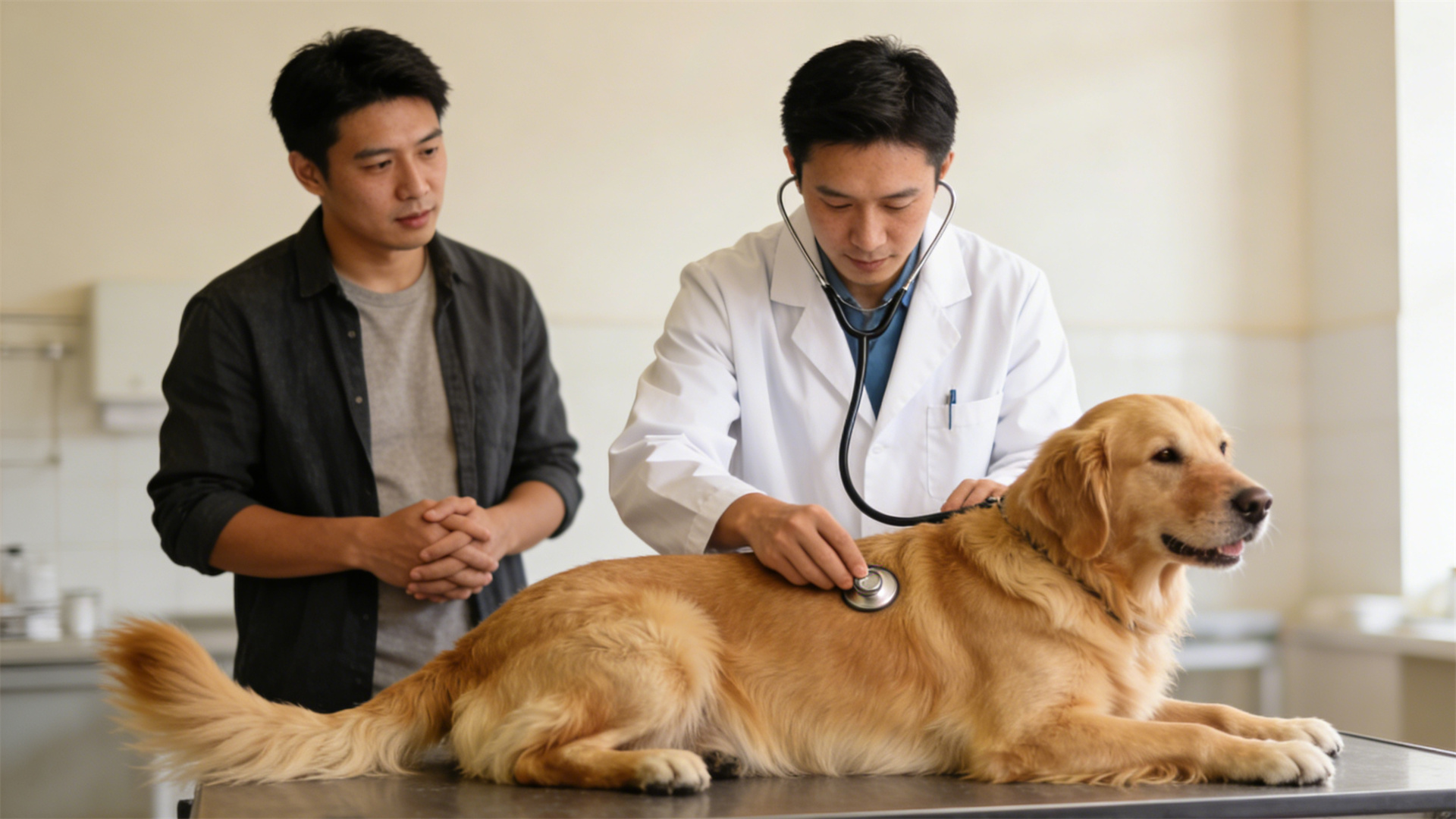
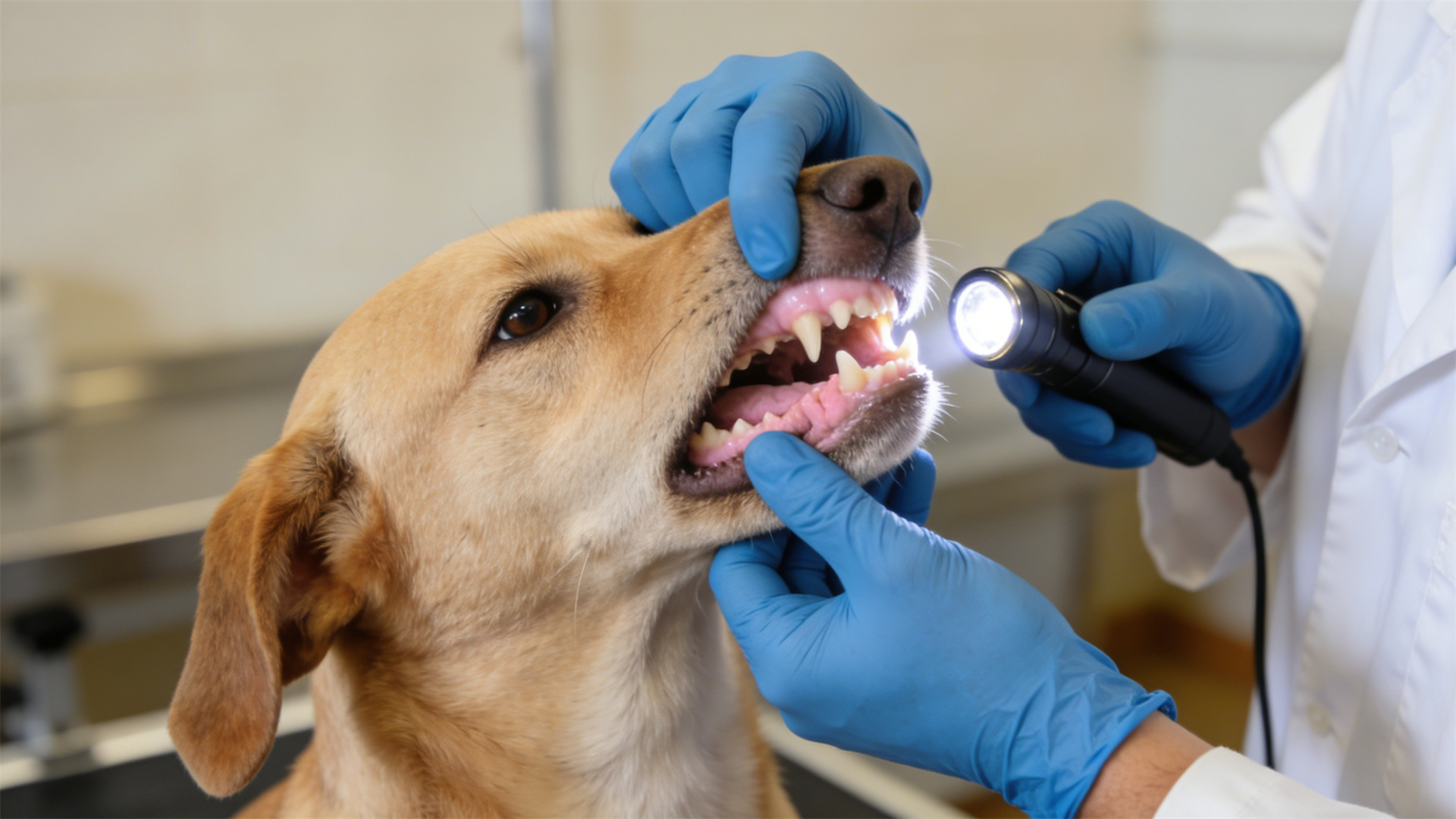
Full-cycle physical examination checklist
Have you ever looked at your dog and wondered if they're truly as healthy as they seem? That wagging tail and eager eyes can sometimes hide subtle signs of discomfort or early illness. As a devoted dog owner, your vigilance is the first line of defense in your pet's lifelong wellness journey. A full-cycle physical examination is not merely a sporadic vet visit; it's a proactive, consistent practice of observation and assessment that spans from puppyhood to the senior years. This comprehensive canine health checklist empowers you to become an active partner in your dog's health care. By mastering this nose-to-tail exam, you'll learn to spot minute changes, communicate effectively with your veterinarian, and ultimately, add more happy, healthy years to your dog's life. Let's embark on this essential aspect of responsible pet ownership together.