
You May Have Missed
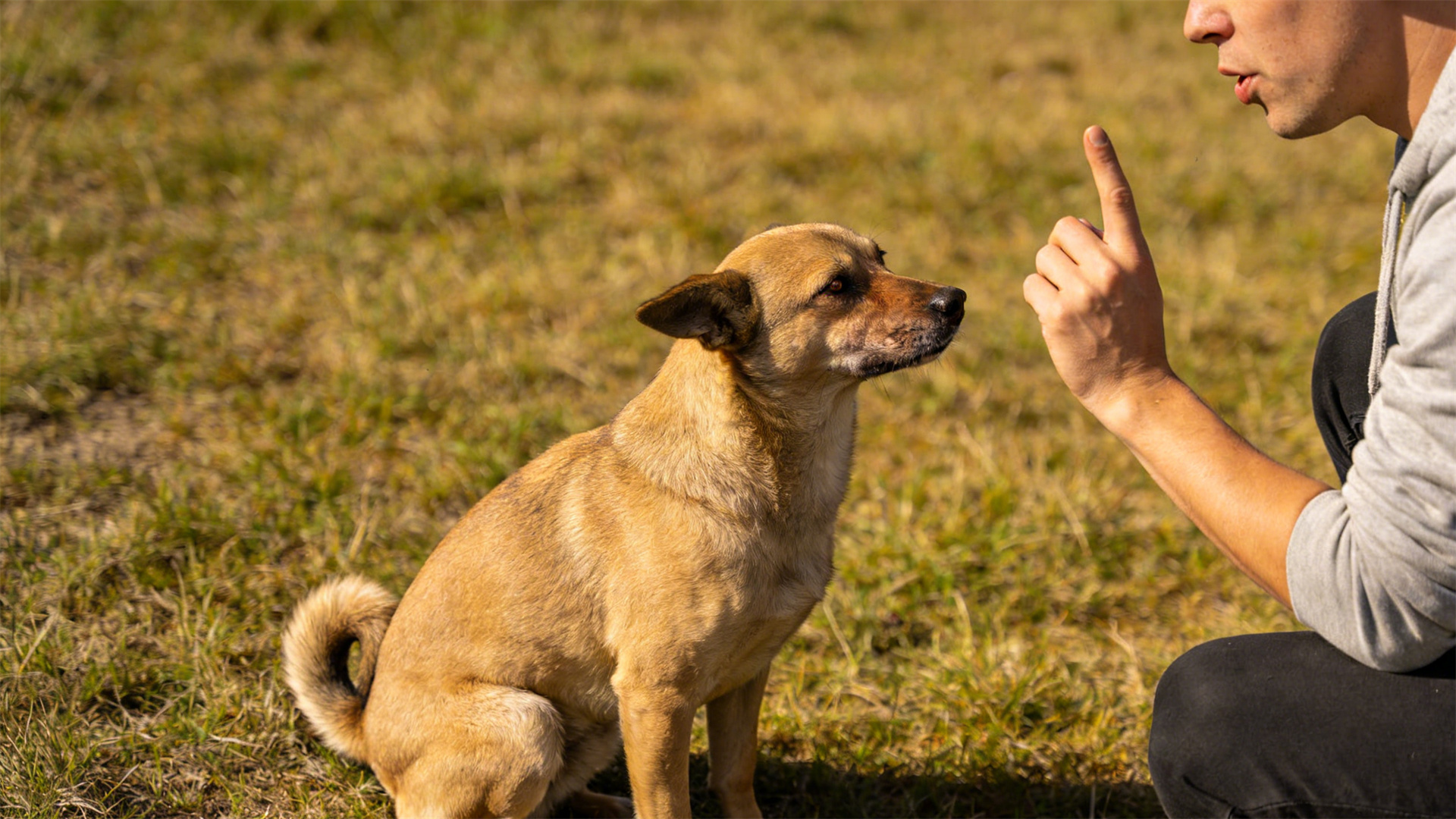
Quick Method for Establishing a Fixed Toileting Habit: How to Build a Conditioned Reflex Using Inducers and Rewards
House training. For many new dog owners, these two words conjure feelings of frustration, confusion, and the unmistakable scent of enzymatic cleaner. The cycle of guessing, accidents, and failed schedules can test the bond with your new companion. But what if the key wasn't just more frequent trips outside, but smarter communication? What if you could build a reliable, almost automatic habit in your dog? The solution lies not in scolding, but in leveraging the simple, powerful principles of behavioral psychology. This guide outlines a quick method for establishing a fixed toileting habit by constructing a clear conditioned reflex using two precise tools: the inducer and the reward. It’s a method that transforms you from a cleaner to a coach, forging a partnership built on clarity and positive reinforcement.
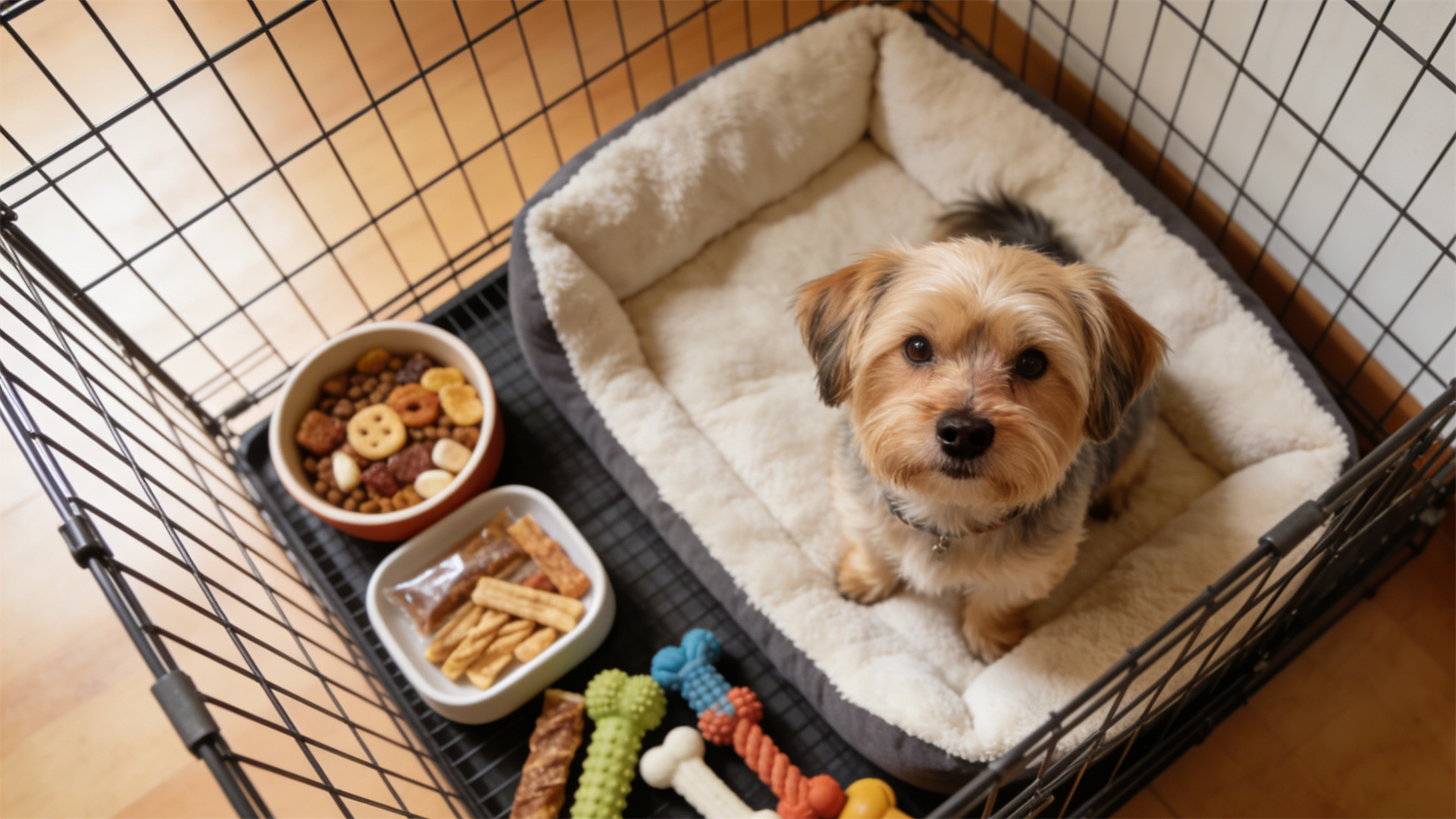
Crate training for puppies: Turn the crate into its favorite "safe house".
If the thought of crate training for puppies fills you with images of a sad, whining pup, you're not alone. Many new owners struggle with guilt, viewing the crate as a cage or a punishment. But what if we told you that, done correctly, your puppy's crate could become its most cherished sanctuary—a personal safe house where it feels completely secure and content? The key lies not in confinement, but in positive association. This guide will walk you through a compassionate, step-by-step process to transform that empty crate into your puppy's favorite nap spot and cozy den, alleviating your anxiety and building your dog's confidence.
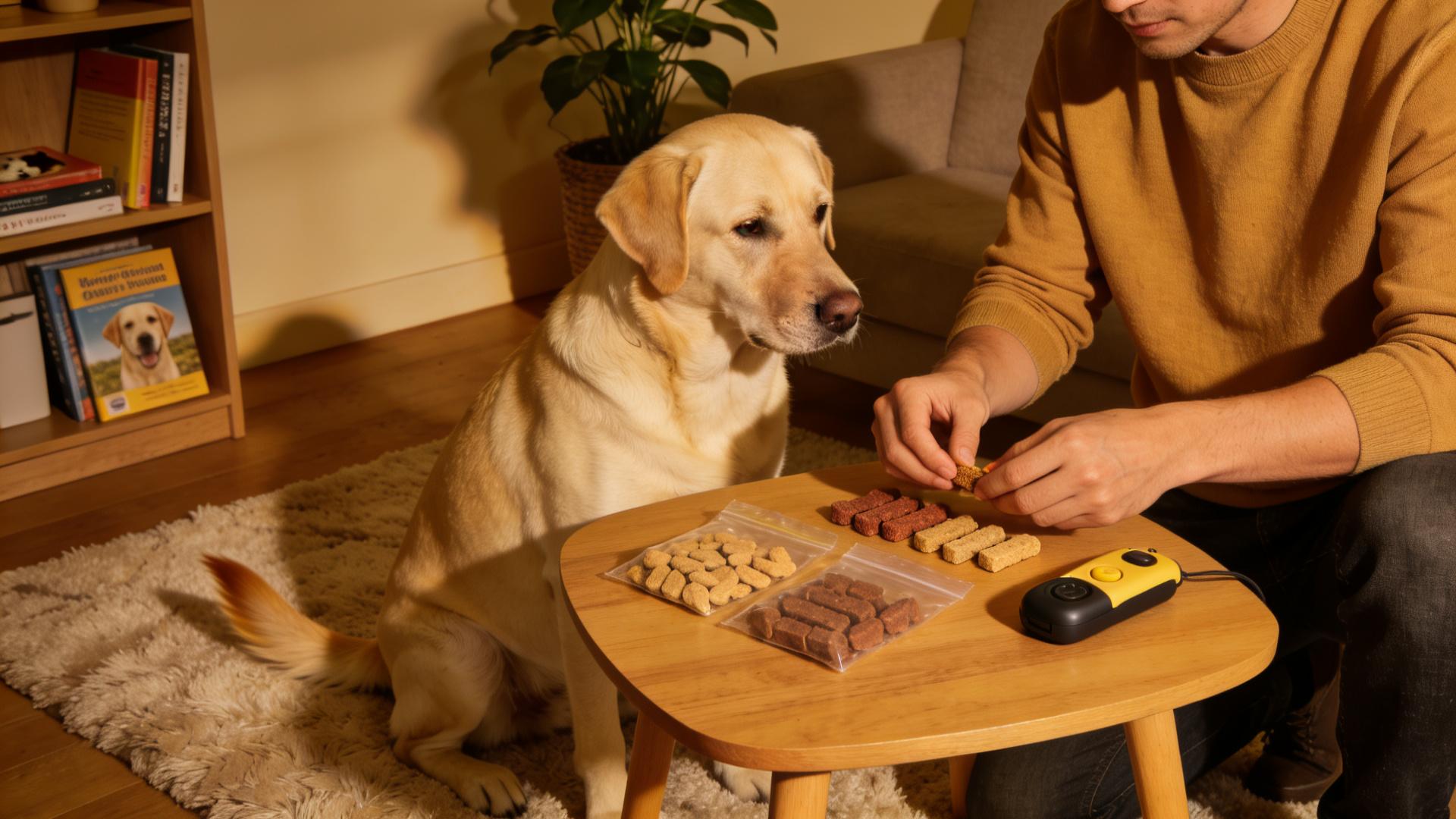
Capture Training: How to turn a dog's unintentional natural movements into commands
Picture this: your dog finishes a satisfying chew on their toy, lets out a big, relaxed sigh, and settles into a perfect, calm "down" position on the floor. In that moment, a beautiful, desirable behavior happened entirely on its own. What if you could harness those spontaneous moments and turn them into a cue you could call upon anytime? You can. Welcome to the elegant world of capture training.
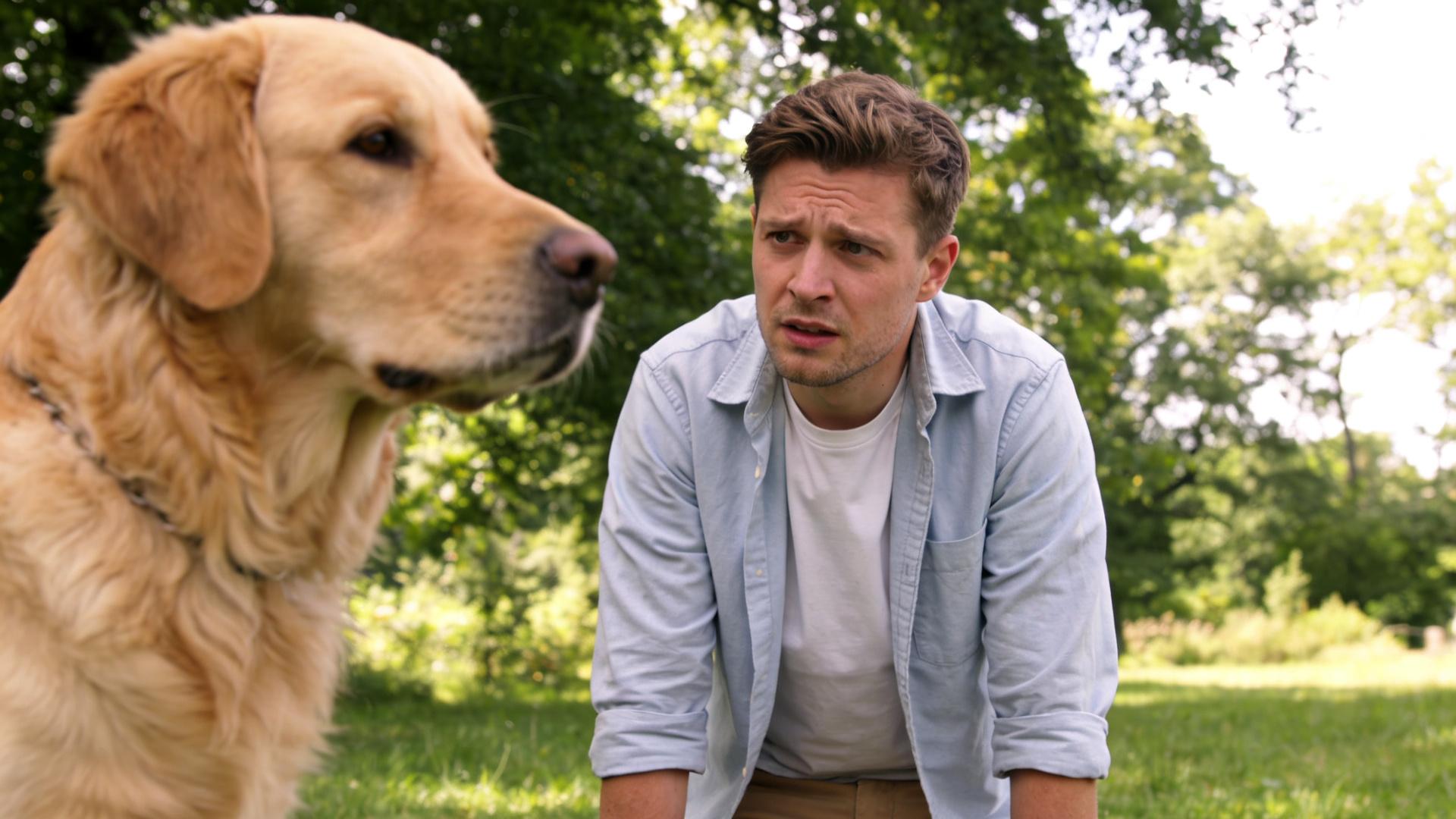
The "plateau" in training: How to break through when your dog stops progressing?
You’ve been diligently working on "sit," "stay," or a fancy new trick. Progress was steady, tail wags were abundant, and then… it stops. Your dog seems to forget what they knew yesterday, loses interest, or simply can’t seem to grasp the next step. Sound familiar? Every single dog owner encounters training plateaus. This is that frustrating phase where your dog's learning curve flattens, and visible improvement grinds to a halt. First, take a deep breath. Do not worry. This is not a sign of failure—yours or your dog’s. It is a completely normal, even expected, part of the training journey. With insight, patience, and the right strategic shifts, you can absolutely break through and guide your dog back onto the path of progress. This guide will equip you with the knowledge and tools to do just that.
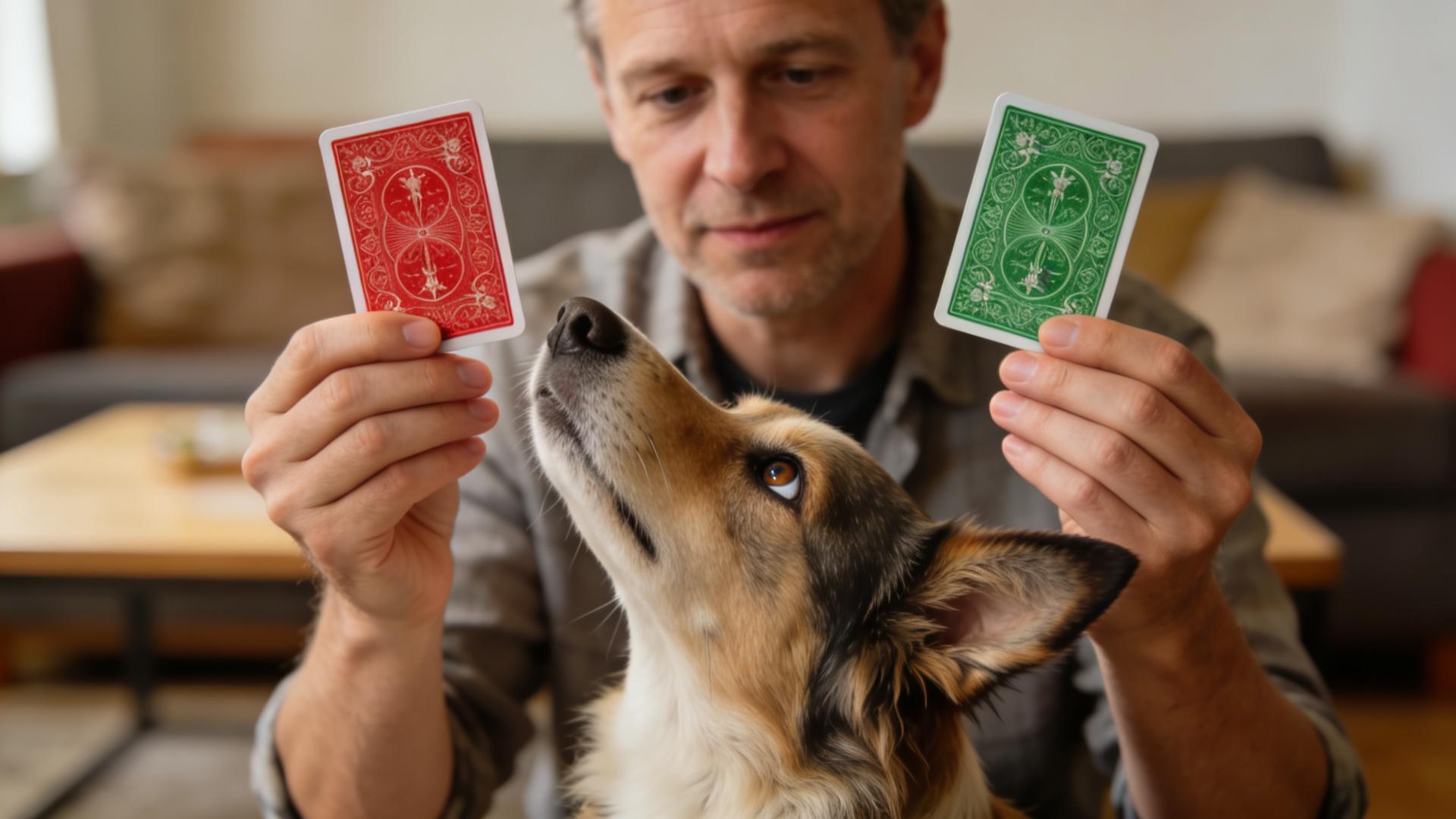
Traffic light training at intersections: Establishing visual signals for "stop" and "go".
Navigating busy urban intersections with your dog can transform a relaxing walk into a nerve-wracking game of chance. The honking cars, bustling pedestrians, and unpredictable movements create a minefield of distractions and dangers. What if you could introduce a common language of safety, one your dog understands as clearly as you understand a red or green light? This article delves into the powerful method of traffic light training for dogs, a system of visual signals that establishes crystal-clear "stop" and "go" cues. Our purpose is to provide you with a proven, step-by-step methodology to enhance your intersection safety for canines, forging not only a safer companion but a deeper bond built on communication and trust.

Deciphering a dog's "reassurance signals": Is it licking its nose to beg for mercy?
You come home to a scene of minor chaos—a shredded pillow, garbage scattered across the floor. You find your dog, and they immediately avert their gaze, yawn, and give a quick, unmistakable lick of their nose. The conclusion seems obvious: “Look at that guilty face! He knows he did wrong and is begging for forgiveness.” This narrative feels instinctual to us, a story we’ve told ourselves for generations. But what if we’ve been reading the entire situation incorrectly?