
You May Have Missed
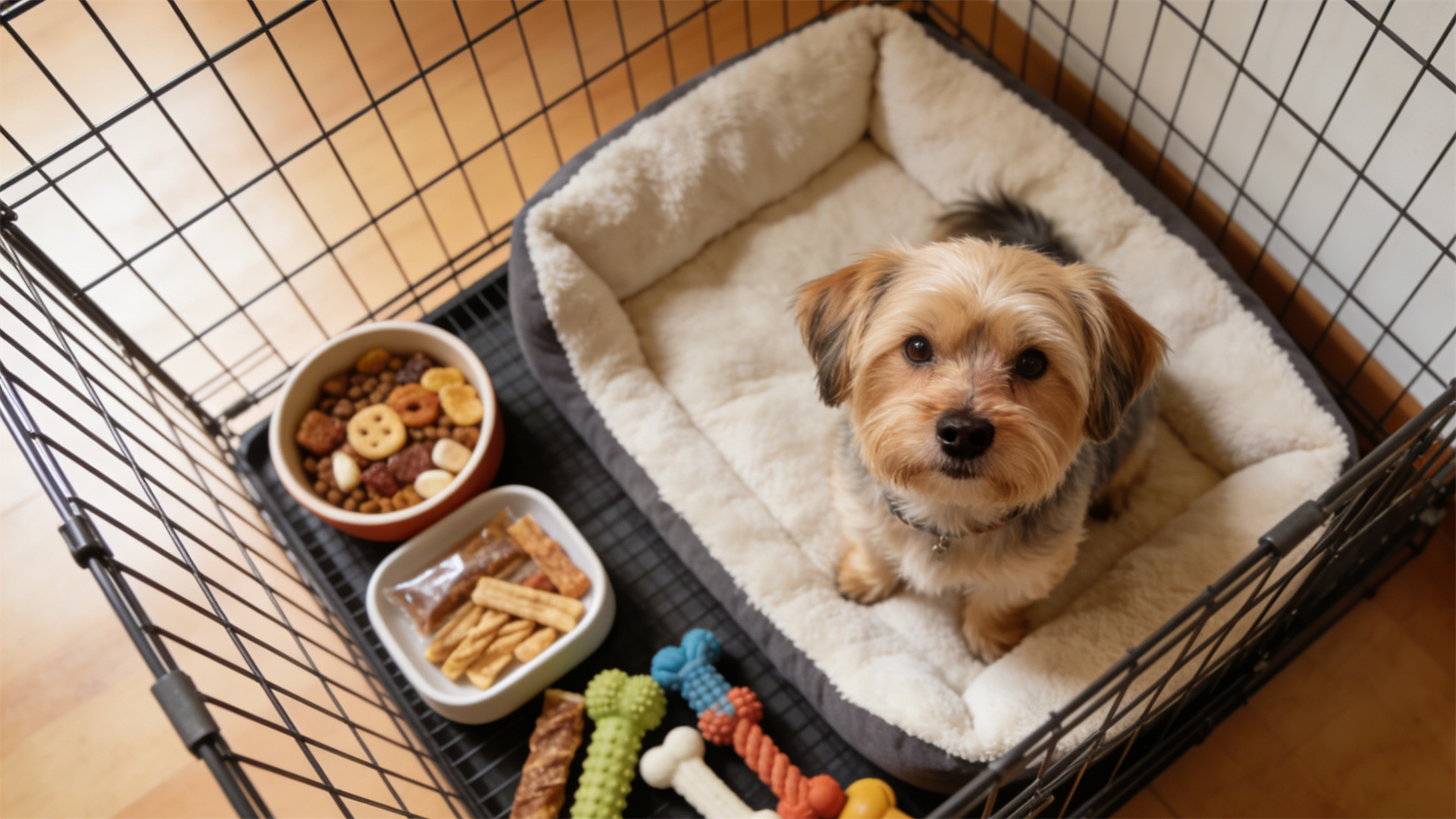
Crate training for puppies: Turn the crate into its favorite "safe house".
If the thought of crate training for puppies fills you with images of a sad, whining pup, you're not alone. Many new owners struggle with guilt, viewing the crate as a cage or a punishment. But what if we told you that, done correctly, your puppy's crate could become its most cherished sanctuary—a personal safe house where it feels completely secure and content? The key lies not in confinement, but in positive association. This guide will walk you through a compassionate, step-by-step process to transform that empty crate into your puppy's favorite nap spot and cozy den, alleviating your anxiety and building your dog's confidence.
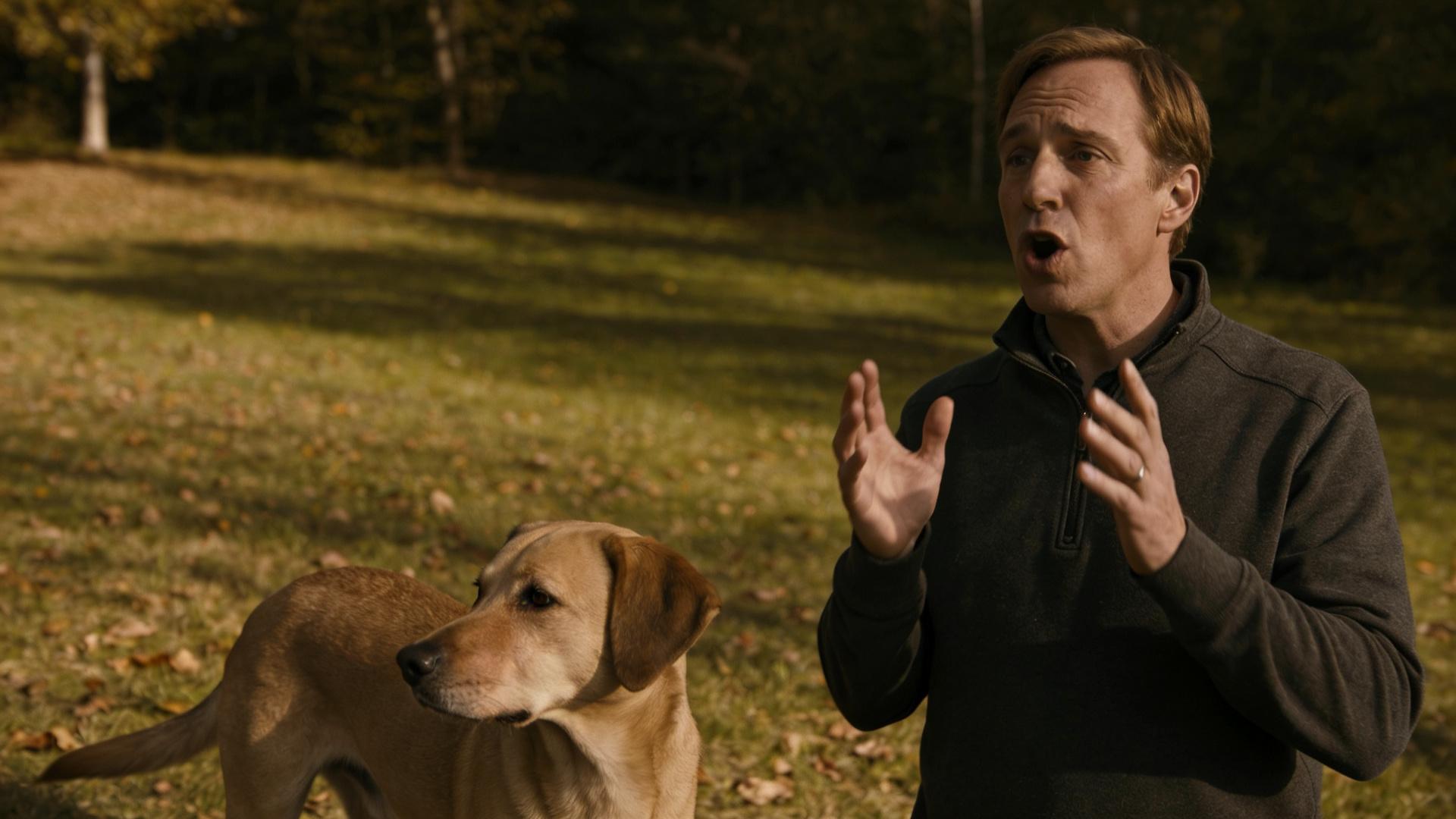
The first "Sit down": How to use gestures to quickly establish command awareness
Welcome, fellow dog lover. If you're standing there, repeating "sit, sit, SIT!" while your dog looks blissfully past you, you're only using half of your communication toolkit. You're speaking, but your dog's native language is visual. This guide will fundamentally transform how you connect with your canine companion, starting with the foundational command: the "sit." We're going beyond the basic verbal cue to unlock the power of silent gestures, building an instant, unwavering layer of command awareness that cuts through noise, distance, and distraction. Let's begin the conversation your dog has been waiting for.
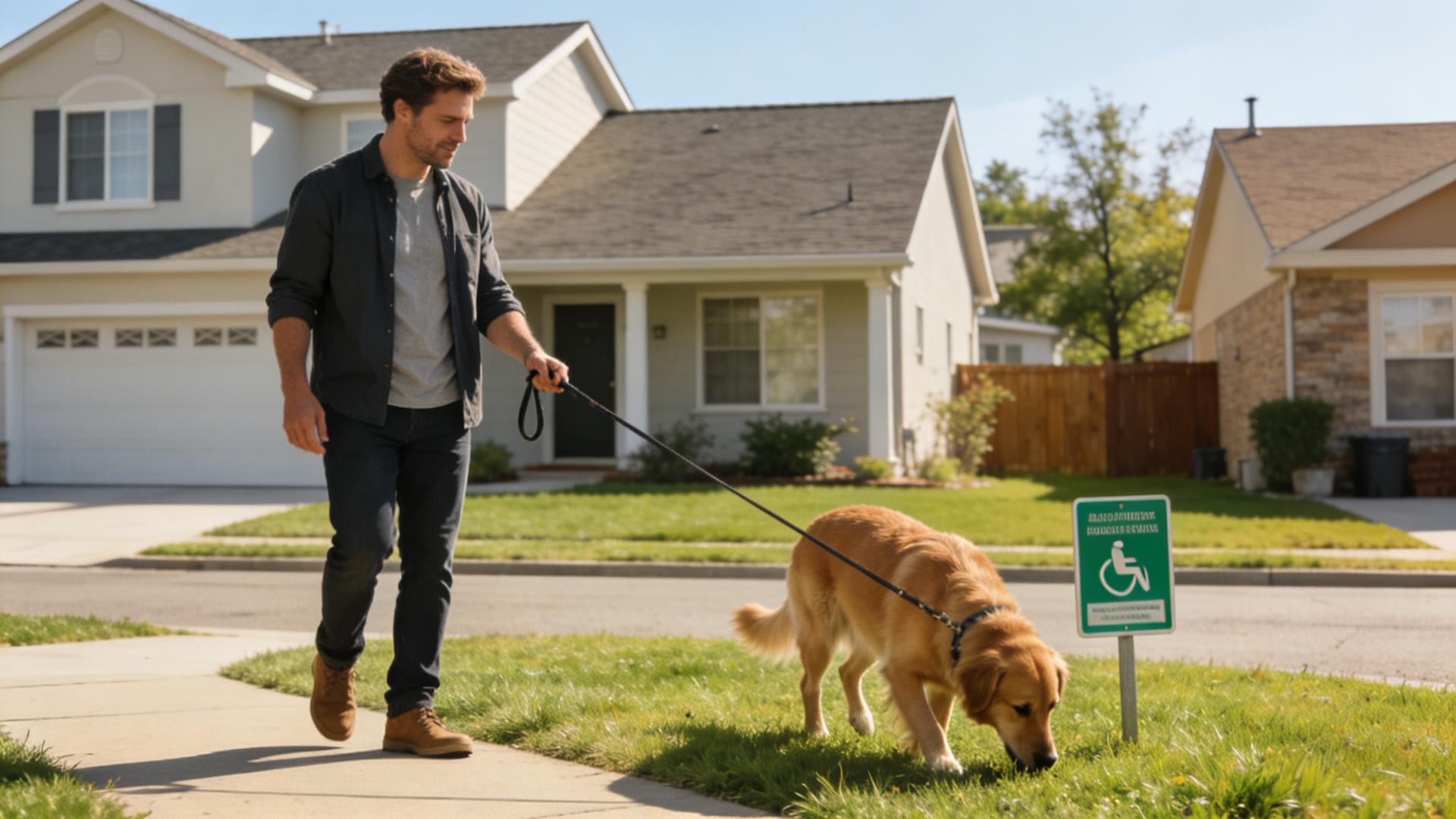
Civilized dog walking tips: Train your dog to relieve itself in designated grassy areas.
In the tapestry of community life, few threads are as common—or as potentially disruptive—as the daily dog walk. It’s a ritual of joy, exercise, and bonding. Yet, without mindful practice, it can fray into a source of neighborhood tension. The cornerstone of civilized dog walking is the simple, impactful act of guiding your dog to relieve itself in designated grassy areas. This isn't merely about convenience; it's a profound exercise in responsible dog ownership and community stewardship. This comprehensive guide will equip you with the actionable steps, scientific rationale, and nuanced understanding needed to master this essential skill, transforming your walks into a model of polite dog walking behavior.
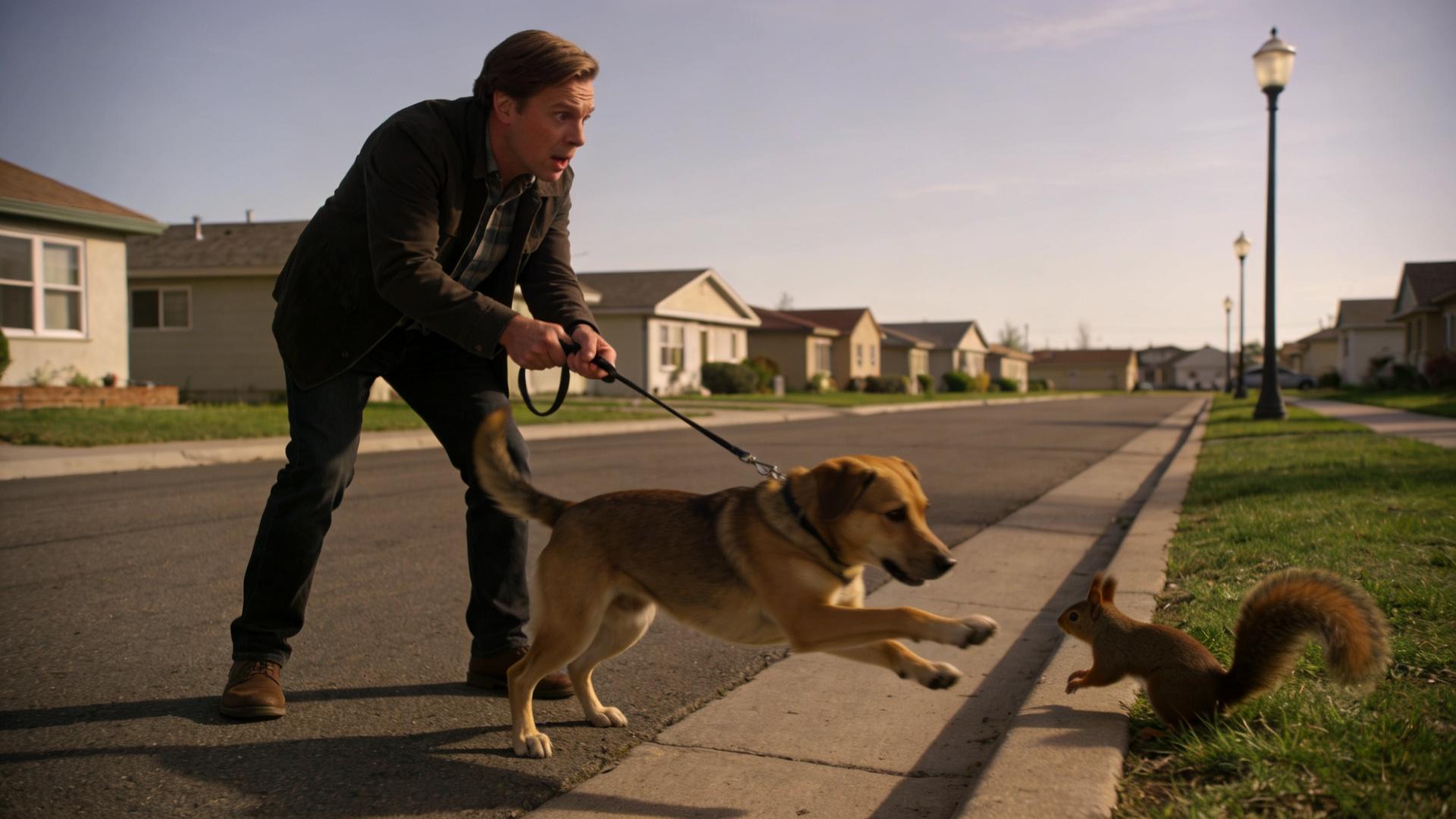
Crossing the road safety training: Do dogs also need to be aware of traffic flow?
As a dog owner, you’ve likely experienced that heart-stopping moment: your dog lunges toward the street, captivated by a squirrel or simply forging ahead without a care. It’s a stark reminder that our canine companions perceive the world—and the dangers within it—differently than we do. This brings us to a critical question: Do dogs also need to be aware of traffic flow? The unequivocal answer is yes. While a dog may never understand a green light, they can and must learn to rely on your cues and exhibit specific, life-saving behaviors near roads. Road safety for canines is not an optional advanced trick; it's a fundamental pillar of responsible pet ownership, especially in our busy urban and suburban landscapes.
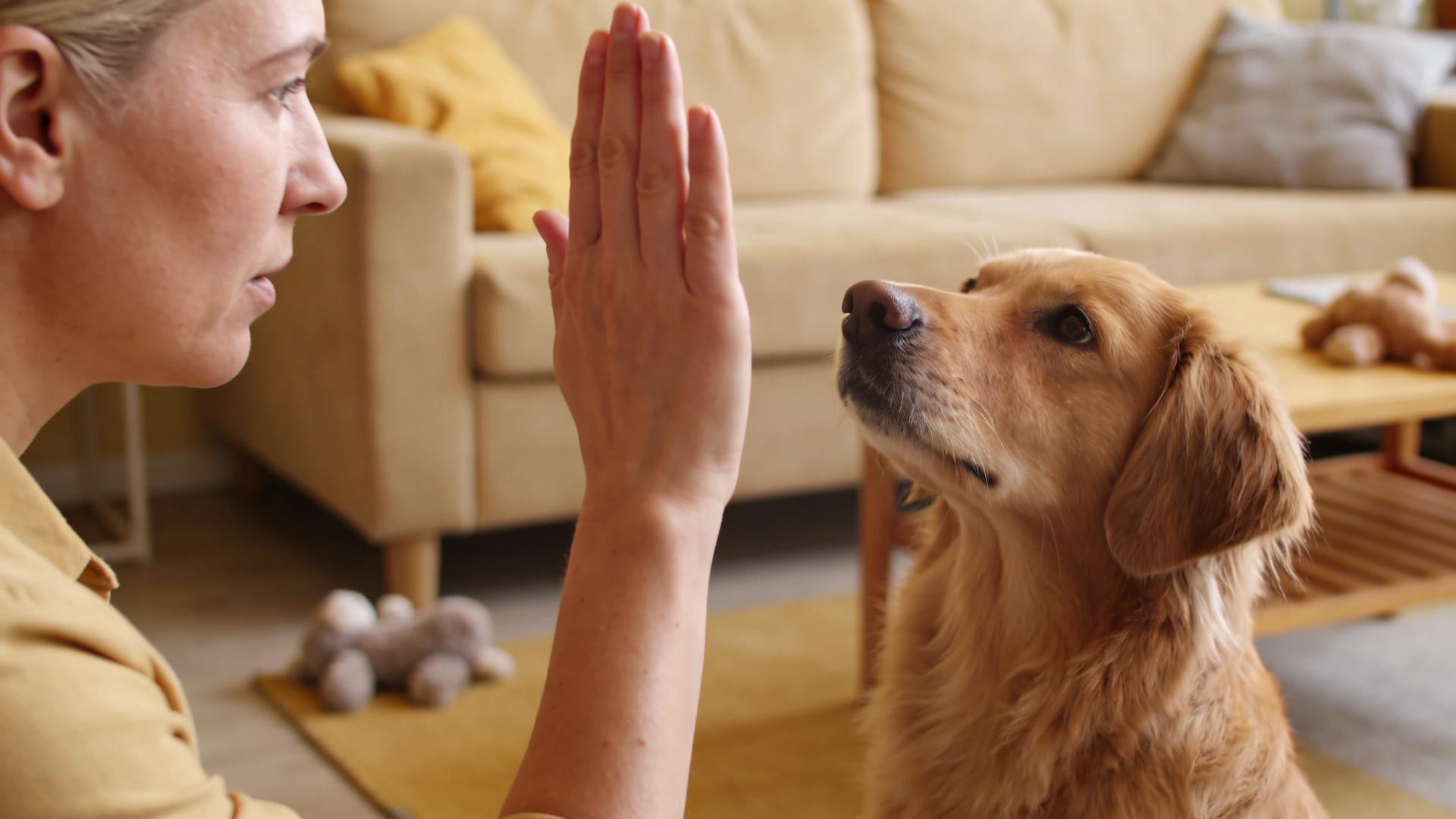
Mute Command: How to instantly quiet a barking dog using hand gestures
The doorbell rings, and your dog erupts into a frenzy of barking. A squirrel dashes past the window, setting off another vocal alarm. While barking is natural canine communication, excessive noise can fray nerves, disturb neighbors, and leave you feeling powerless. In fact, studies suggest that nuisance barking is one of the most common complaints in residential communities and a leading reason dogs are surrendered to shelters. For years, the solution has seemed to be shouting "Quiet!" over the din, often escalating the tension. But what if you could silence the barking with a simple, silent wave of your hand? Enter the Mute Command—a powerful, non-verbal technique that uses clear hand gestures to gain immediate control. This guide will transform you from a frustrated owner into a calm, confident leader, teaching you the precise method to instantly quiet a barking dog.
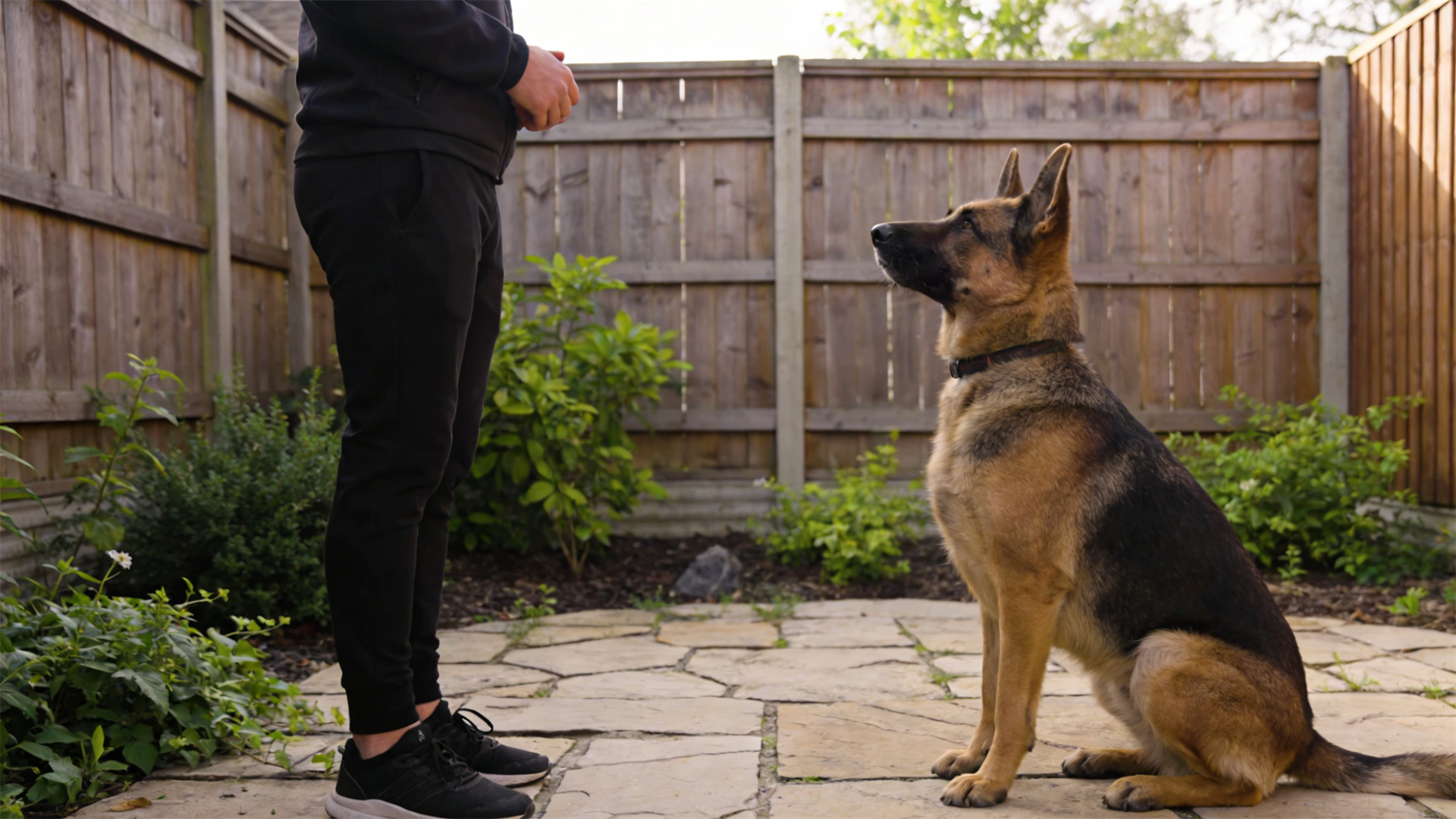
Level 2: Outdoor High-Interference Resistance Training
You’ve mastered the basics in your living room and backyard. Your dog is a star when it’s just the two of you. But the moment you step into the real world—a park buzzing with squirrels, joggers, and other dogs—their training seems to vanish. This gap between controlled obedience and real-world reliability is the single biggest challenge for dedicated dog owners. Closing it requires a systematic approach known as Outdoor High-Interference Resistance Training. This advanced methodology is designed to "proof" your dog's commands against the chaos of everyday life, transforming them from a pet that can listen into a partner you can always trust. This guide will provide you with the exact roadmap to achieve that unwavering focus and control.