
You May Have Missed
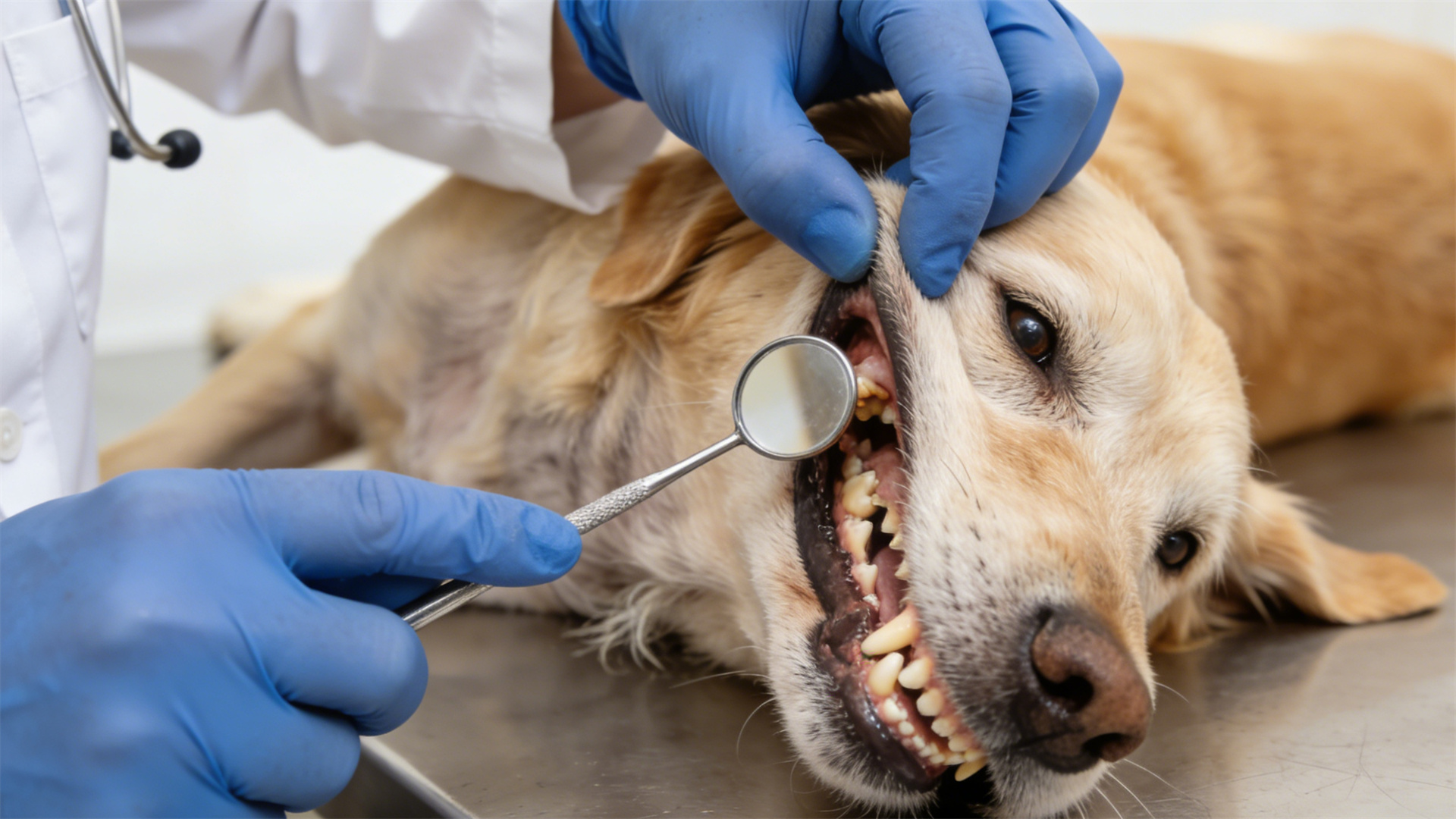
Tooth loss in senior dogs: How to ensure nutritional intake even without teeth?
Watching your loyal companion grow old is a journey filled with love, but it also brings new challenges. One of the most common and concerning issues for pet parents is senior dog tooth loss. The moment you notice missing teeth or see your dog struggling to chew, a wave of worry is natural. How will they eat? Can they still get the nutrition they need to thrive? The answer is a resounding yes. While tooth loss changes their feeding routine, it does not have to diminish their quality of life or health. This comprehensive guide will walk you through everything you need to know about feeding a dog with no teeth, from understanding the causes to mastering the art of preparing delicious, nutrient-rich meals. Your toothless senior can continue to enjoy mealtime and live a happy, comfortable life with your informed care and support.
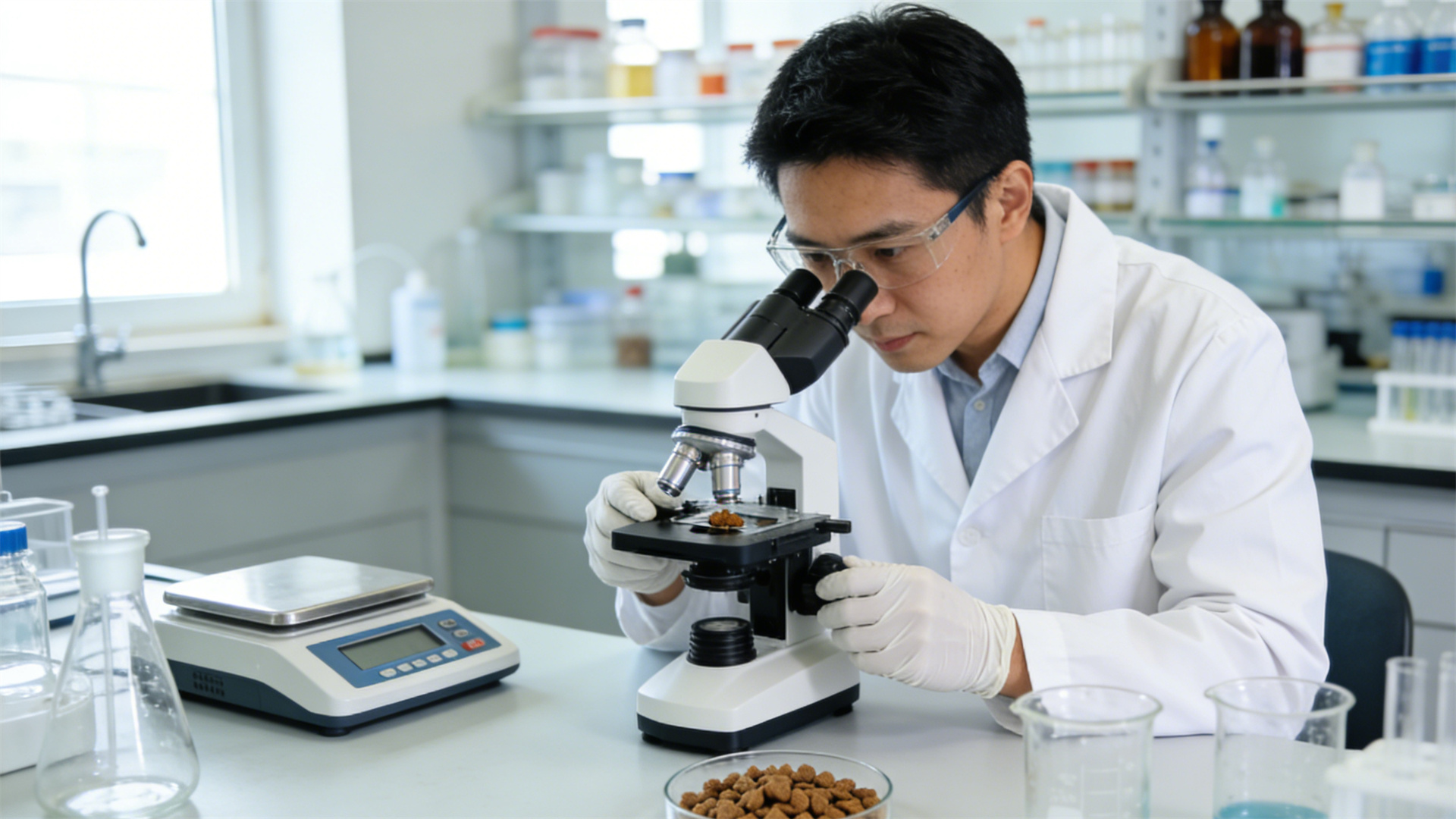
The grain controversy is over: Why do some dog breeds still need adequate dietary fiber?
For years, the dog food aisle was a battleground of grain-free diet dogs versus traditional formulas, fueled by fears and trends. Today, the grain controversy dogs have endured is largely settled by science, shifting our focus from elimination to inclusion. The real question isn't about grains per se, but about ensuring all dogs, especially certain breeds, receive optimal dietary fiber for dogs. This article delves into why canine dietary fiber is non-negotiable for health, how needs vary by breed, and how to provide it wisely.
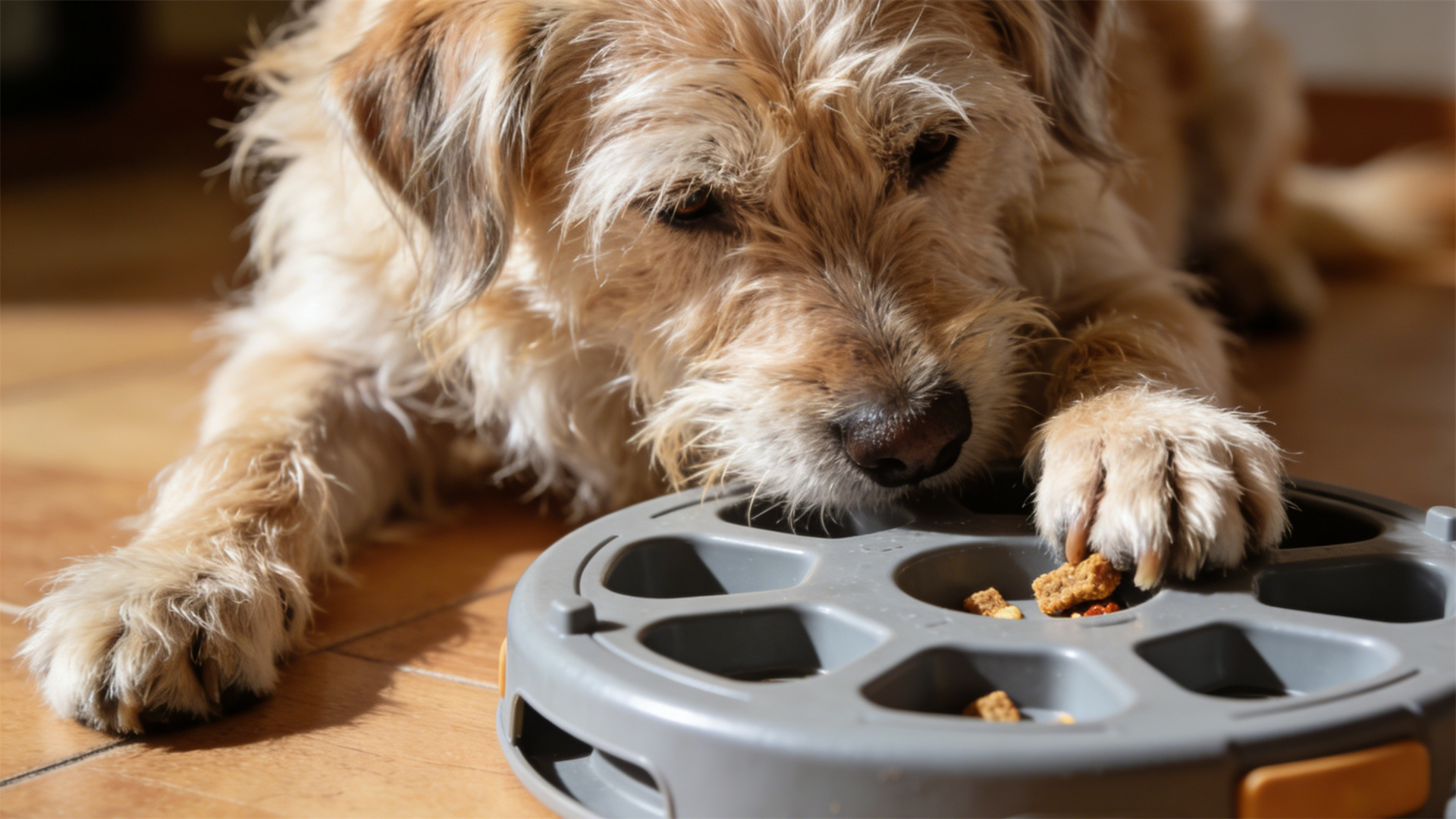
Cognitive training: Using educational toys to slow down brain degeneration in older dogs
You notice it in the small things. Your faithful companion, now with a frosted muzzle, might pause for a moment, seemingly confused in a familiar corner of the yard. Perhaps their sleep-wake cycle has flipped, or they seem less enthusiastic about a game they once loved. These subtle shifts can be easy to dismiss as "just getting old," but they often point to something more specific: Canine Cognitive Dysfunction (CCD), a condition akin to dementia in humans. While this reality can feel daunting, there is a powerful, positive, and profoundly bonding tool at your disposal: cognitive training. Just as physical exercise keeps the body strong, consistent mental exercise is crucial for maintaining brain health. And the best part? It can be as simple and joyful as play. This article will guide you through using educational toys as a cornerstone strategy to enrich your senior dog's life, slow cognitive decline, and strengthen your unbreakable bond.
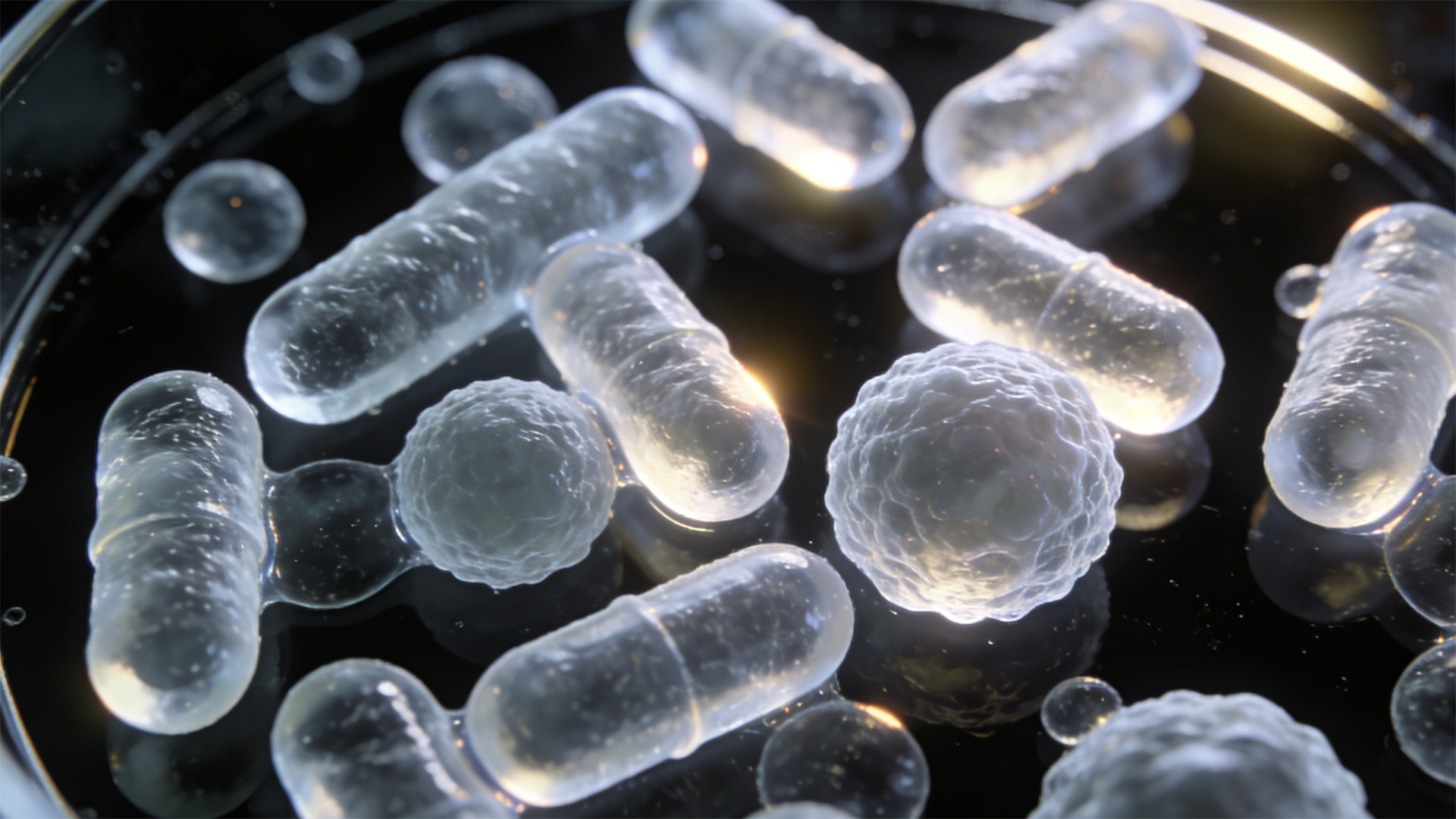
Canine Gut Microbiota: The Practical Role of Probiotics and Prebiotics in Improving Soft Stools
If you're here, you've likely been on the less glamorous end of dog ownership. You're not just a pet parent. You're a poop detective. The sight of a soft, unformed stool where a firm, healthy one should be is a common but frustrating concern. Before you spiral into worry about serious illness or dietary dead-ends, take a deep breath. More often than not, the answer lies not in a dramatic medication, but in the microscopic world within your dog's digestive tract. The solution is often about nurturing balance. This article will guide you through the practical, actionable science of your dog's gut health. We will demystify the canine gut microbiota and explain exactly how two powerful tools—probiotics and prebiotics—can work together to transform your dog's digestion and finally firm up those stools.
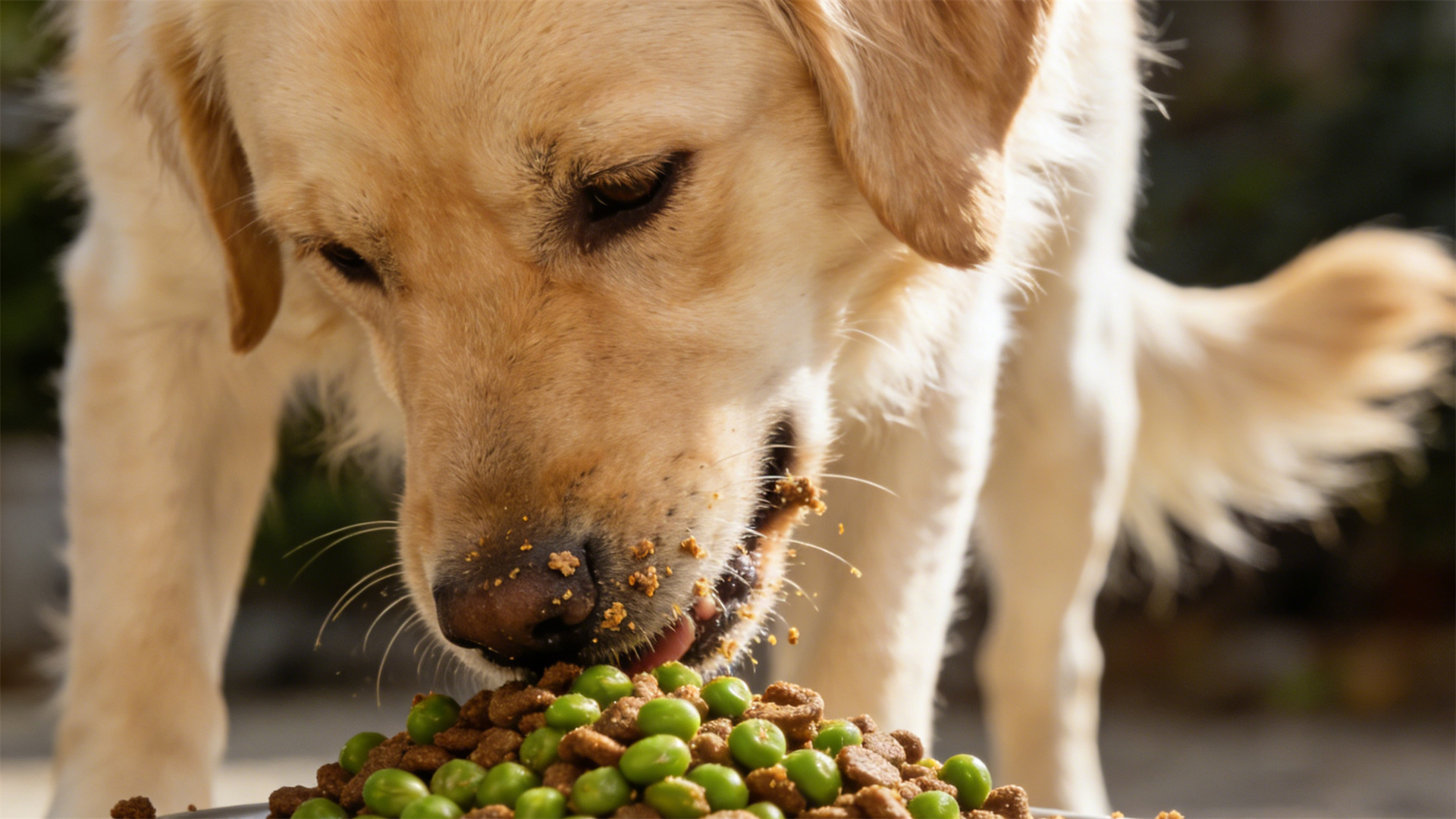
Labrador Retrievers' gluttonous genes: How to control their weight using "pseudo-satiety"
If you share your life with a Labrador Retriever, you know the look all too well. The soulful, unwavering stare at your sandwich. The impressive "counter-surfing" agility for a stray crumb. The profound sadness when their bowl is empty mere seconds after you fill it. You're not imagining it; your Lab's insatiable appetite is a universal struggle, backed by hard science. But what if you could hack their hunger? This article dives into the proven genetic link behind their food obsession and introduces the powerful, compassionate management tool of pseudo satiety. We promise you will leave with a complete, actionable strategy to help your beloved foodie live a healthier, leaner, and longer life.

Canine Sleep Physiology: The Impact of Insufficient Deep Sleep on Body Repair
As a dog owner, you meticulously plan their diet, ensure they get plenty of exercise, and schedule regular vet visits. But how often do you consider the quality of their sleep? Just like humans, dogs require structured, restorative sleep for optimal health. This article delves into the fascinating world of canine sleep physiology, uncovering why deep sleep in dogs is non-negotiable for cellular repair, immune function, and long-term vitality. We'll translate complex science into actionable insights, helping you ensure your best friend isn't just sleeping, but healing.