
You May Have Missed
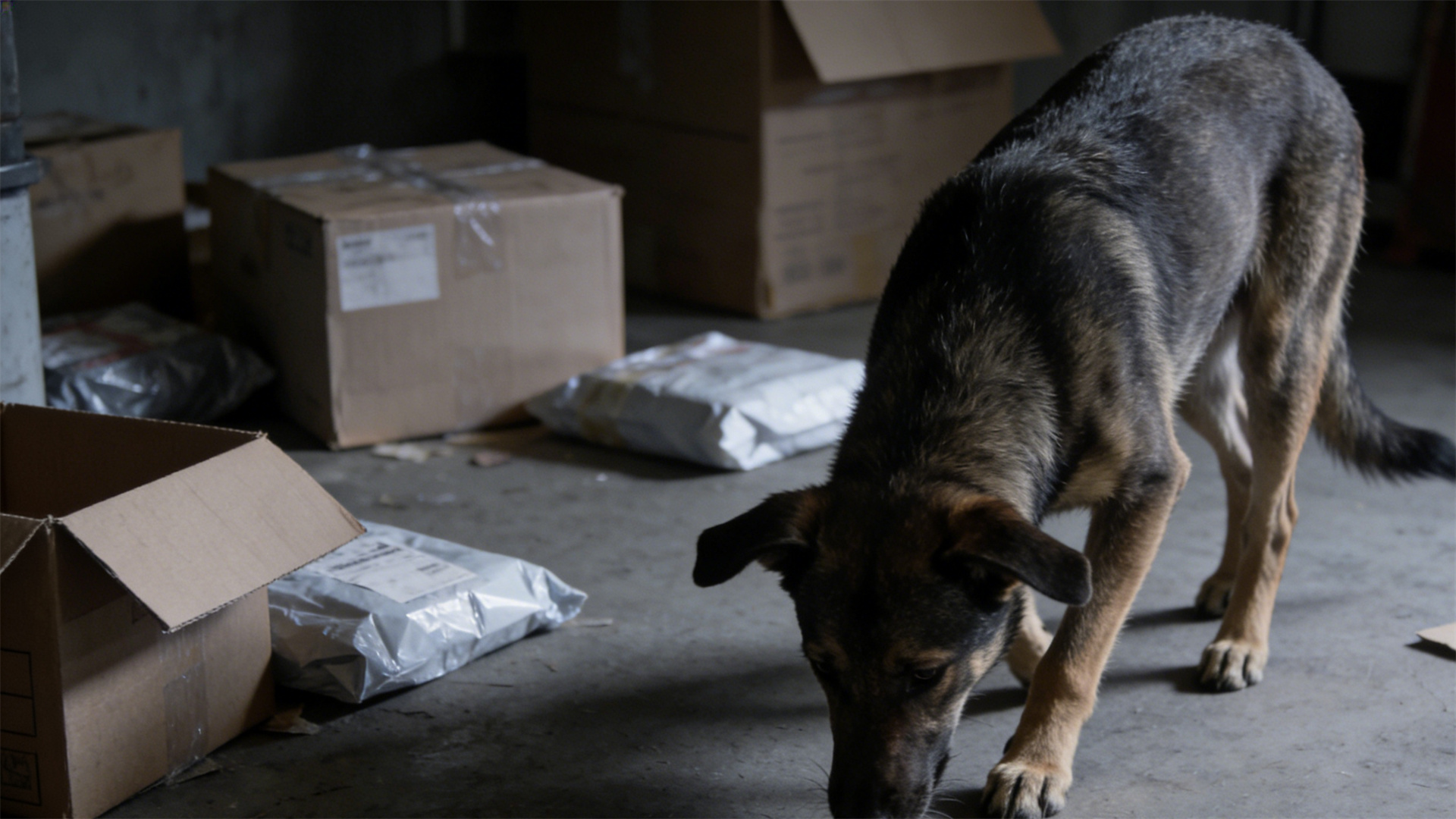
Moderate stress vs. excessive stress: A mental health assessment while traveling with a dog
The car is packed, the route is mapped, and the adventure awaits. You look in the rearview mirror, excited to share this journey with your furry best friend. But instead of a happy pant, you see wide eyes, a tucked tail, or hear a persistent whine. It’s a moment every traveling dog owner knows: is this just normal travel nerves, or is my dog in real distress? Understanding the difference is the cornerstone of being a responsible, empathetic pet parent on the road. This guide moves beyond simple "calming tips" to provide you with a practical, proactive framework for assessing your dog's mental wellbeing during travel. By learning to distinguish between adaptive stress and overwhelming anxiety, you become your dog's most powerful advocate for a happier, healthier journey.

Corgi and Dachshund Spinal Insurance: Home Taboos for Protecting Intervertebral Discs (IVDD)
For the devoted owner of a Corgi, Dachshund, or similar short-legged breed, that joyful, wiggly gait is a constant source of delight. Yet, beneath that charming exterior lies a hidden vulnerability: a significant risk for Intervertebral Disc Disease (IVDD). This condition, where the cushioning discs between the vertebrae degenerate or herniate, can lead to pain, nerve damage, and even paralysis. The financial and emotional toll of treating IVDD can be overwhelming. This comprehensive guide addresses two critical pillars of proactive care: understanding the home taboos essential for prevention and demystifying the vital safety net of Corgi and Dachshund spinal insurance. By mastering both, you can dramatically improve your dog's quality of life and be financially prepared should a crisis arise.

2026 Canine Nutrition Standards: The Golden Ratio of Protein, Fat, and Carbohydrates
Canine nutrition is undergoing a revolution. Gone are the days of one-size-fits-all kibble. As research accelerates, we're moving from simply feeding dogs to precision-nourishing them. The question for discerning dog owners and forward-thinking professionals is no longer just "what to feed," but what precise nutritional architecture will optimize health, longevity, and vitality in the years to come. Enter the forward-looking 2026 canine nutrition standards, centered on a refined, dynamic macronutrient balance known as the Golden Ratio. This isn't a fleeting trend; it's the scientific culmination of decades of research, pointing toward a future of personalized canine wellness.
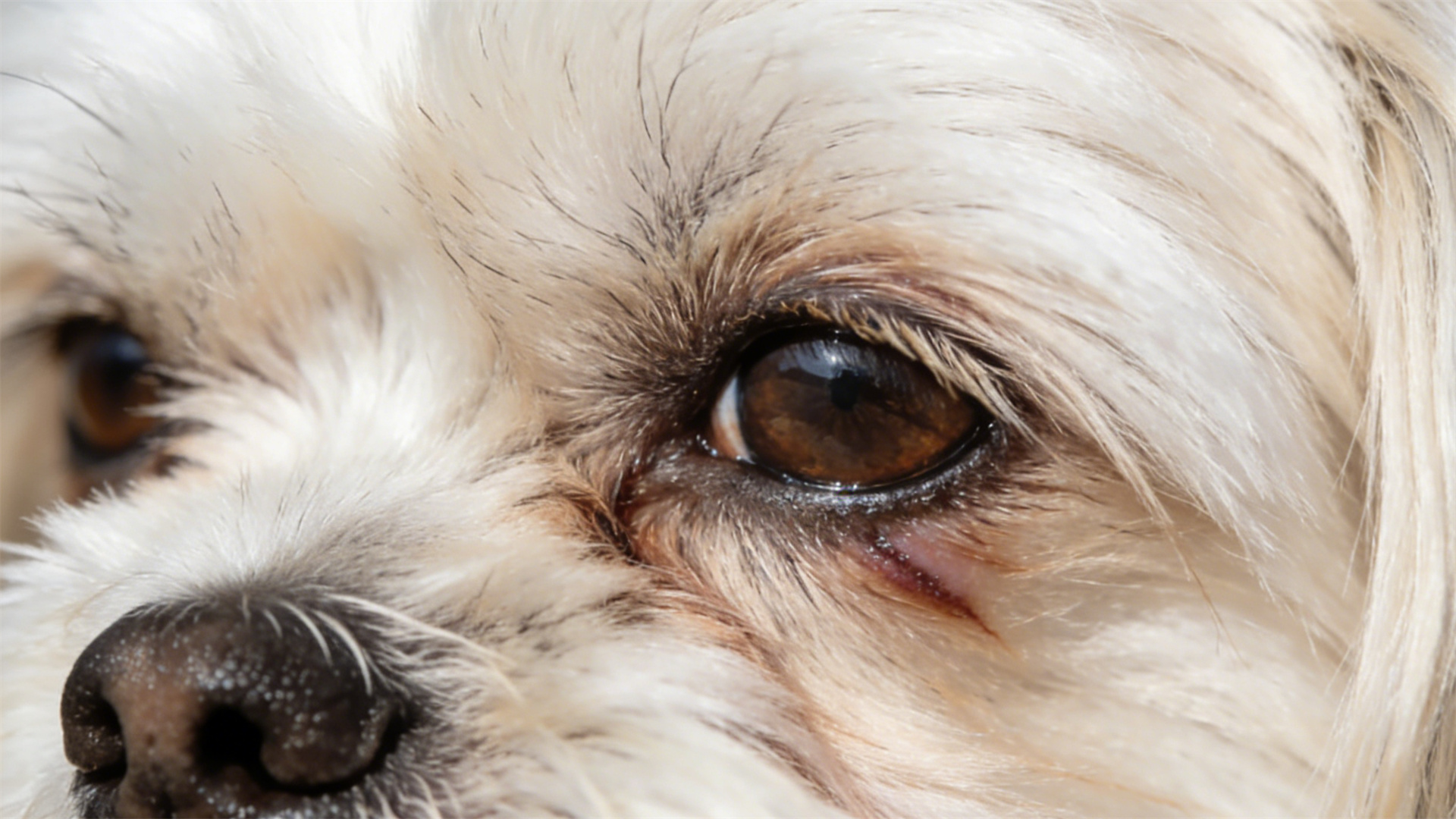
At-home eye care: How to properly use eye wash to relieve tear stains
If you're a dog parent, you've likely seen those rusty-red streaks under your furry friend's eyes. Tear stains are a common Grooming concern, but they can also be a window into your dog's health. While countless wipes and potions promise miracles, the cornerstone of effective management is a simple, vet-approved canine eye wash and a proper technique. This comprehensive guide will empower you with the knowledge and step-by-step process for safe, effective at home dog eye care, turning a potentially stressful task into a bonding ritual that promotes comfort and ocular health.
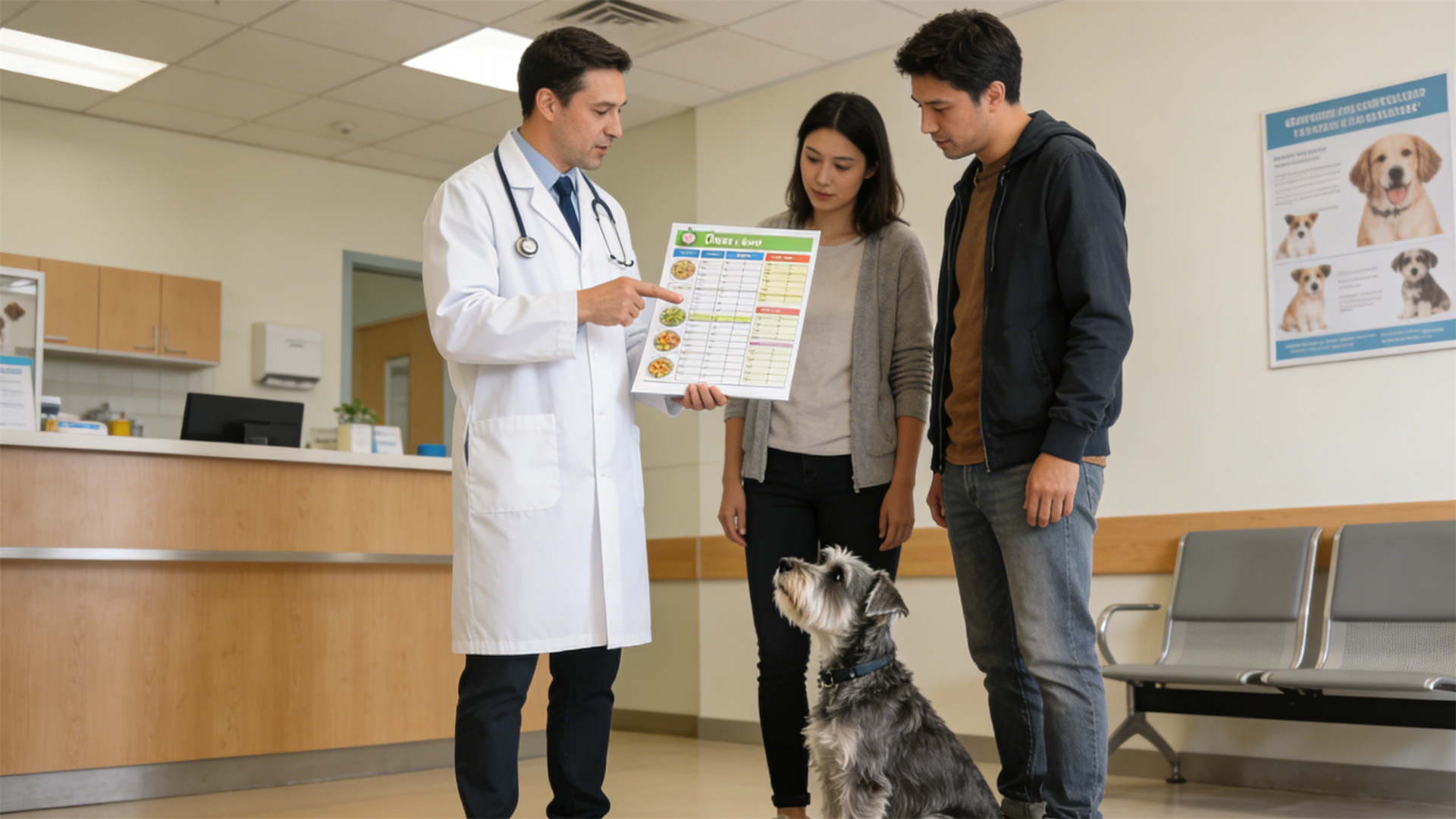
Schnauzer's hyperlipidemia: Why does this breed require a stricter diet with less oil?
With their iconic beards, bushy eyebrows, and spirited personalities, Schnauzers have captured the hearts of dog lovers worldwide. Whether it’s the spunky Miniature, the standard-bearer Standard, or the regal Giant, this breed family is renowned for its intelligence and loyalty. However, beneath that wiry coat lies a hidden, breed-specific metabolic quirk that demands vigilant attention from owners: a profound predisposition to hyperlipidemia. This condition makes a tailored, low-fat Schnauzer diet less oil not just a recommendation, but a critical component of lifelong health. This article delves into the genetic reasons, the potential health fallout, and the practical Schnauzer dietary requirements to manage this silent threat.
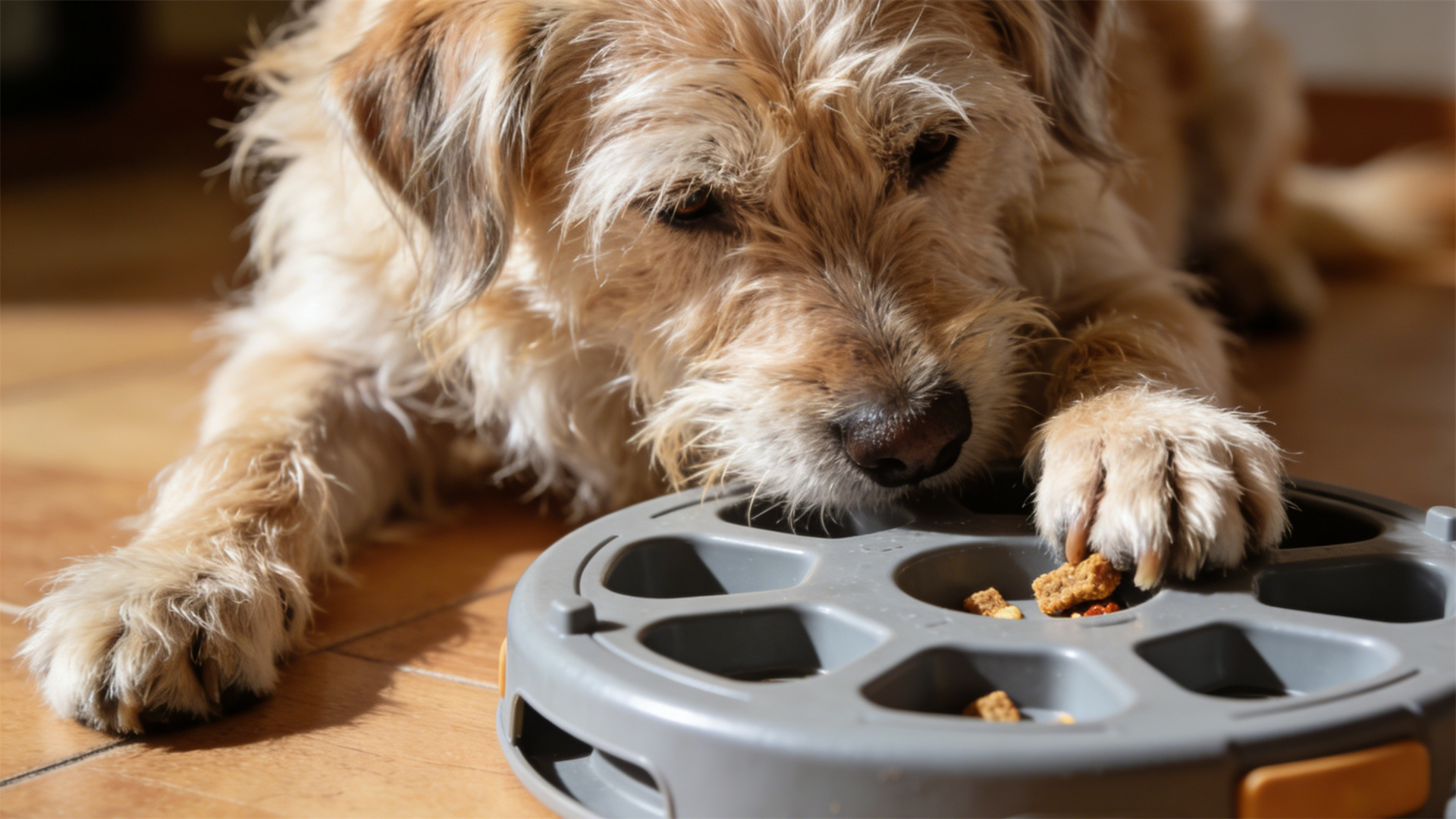
Cognitive training: Using educational toys to slow down brain degeneration in older dogs
You notice it in the small things. Your faithful companion, now with a frosted muzzle, might pause for a moment, seemingly confused in a familiar corner of the yard. Perhaps their sleep-wake cycle has flipped, or they seem less enthusiastic about a game they once loved. These subtle shifts can be easy to dismiss as "just getting old," but they often point to something more specific: Canine Cognitive Dysfunction (CCD), a condition akin to dementia in humans. While this reality can feel daunting, there is a powerful, positive, and profoundly bonding tool at your disposal: cognitive training. Just as physical exercise keeps the body strong, consistent mental exercise is crucial for maintaining brain health. And the best part? It can be as simple and joyful as play. This article will guide you through using educational toys as a cornerstone strategy to enrich your senior dog's life, slow cognitive decline, and strengthen your unbreakable bond.