
You May Have Missed
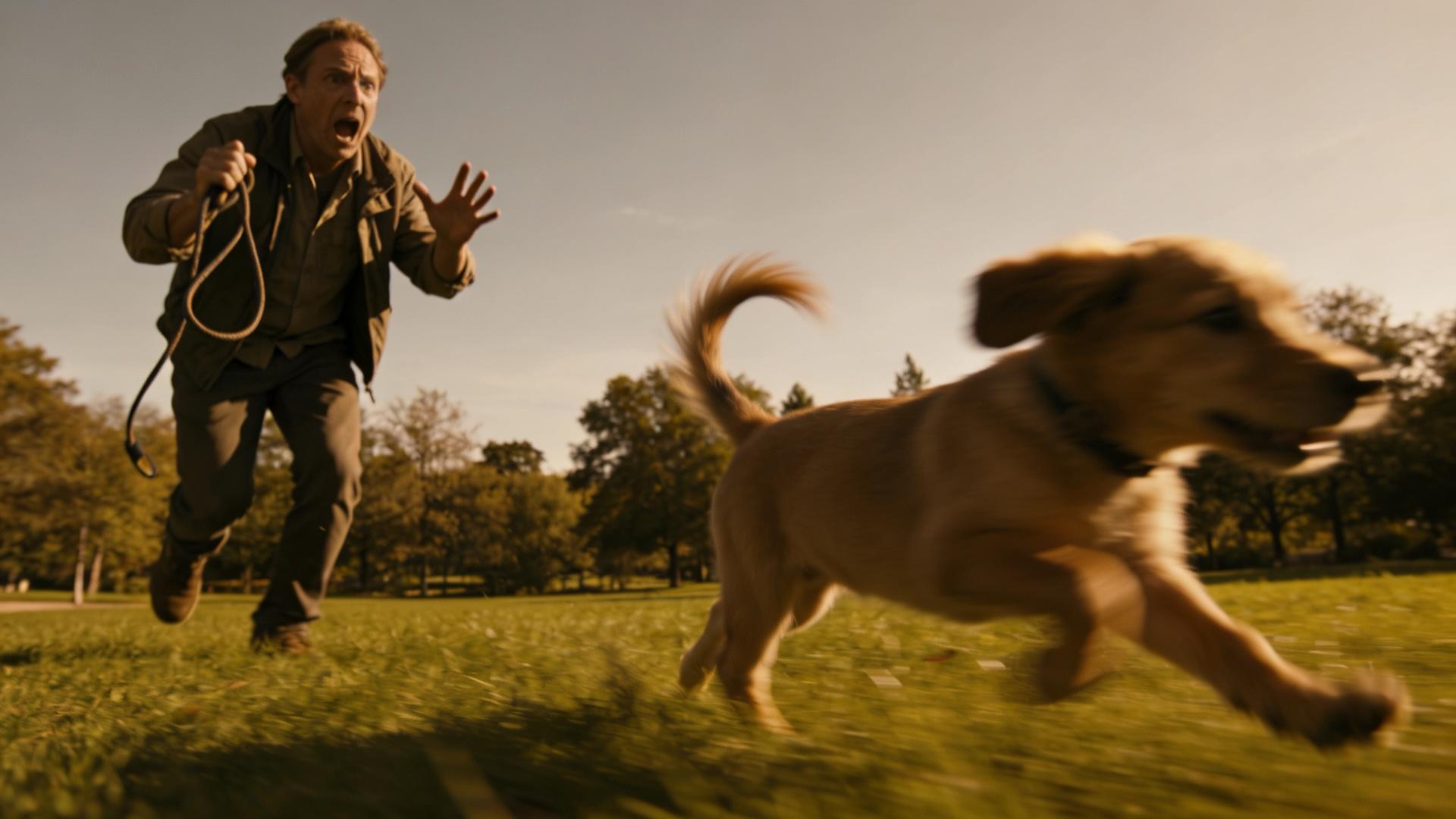
Puppy recall lesson one: Make it run to you no matter what.
Imagine this: your puppy’s leash slips from your hand at the park, or your front door swings open a moment too long. In that heartbeat, the single most important command you will ever teach your dog isn't just a trick—it's a lifesaving behavior. A reliable recall, the act of your dog coming to you instantly and joyfully, is the ultimate insurance policy. But this first lesson isn't about the word "come." It's about building an irresistible gravitational pull that makes your puppy sprint to you with unfiltered joy, every single time. We are not merely requesting an action; we are programming a reaction. This is the art and science of creating a foundation so strong that squirrels, smells, and other dogs simply can't compete. Let's begin.
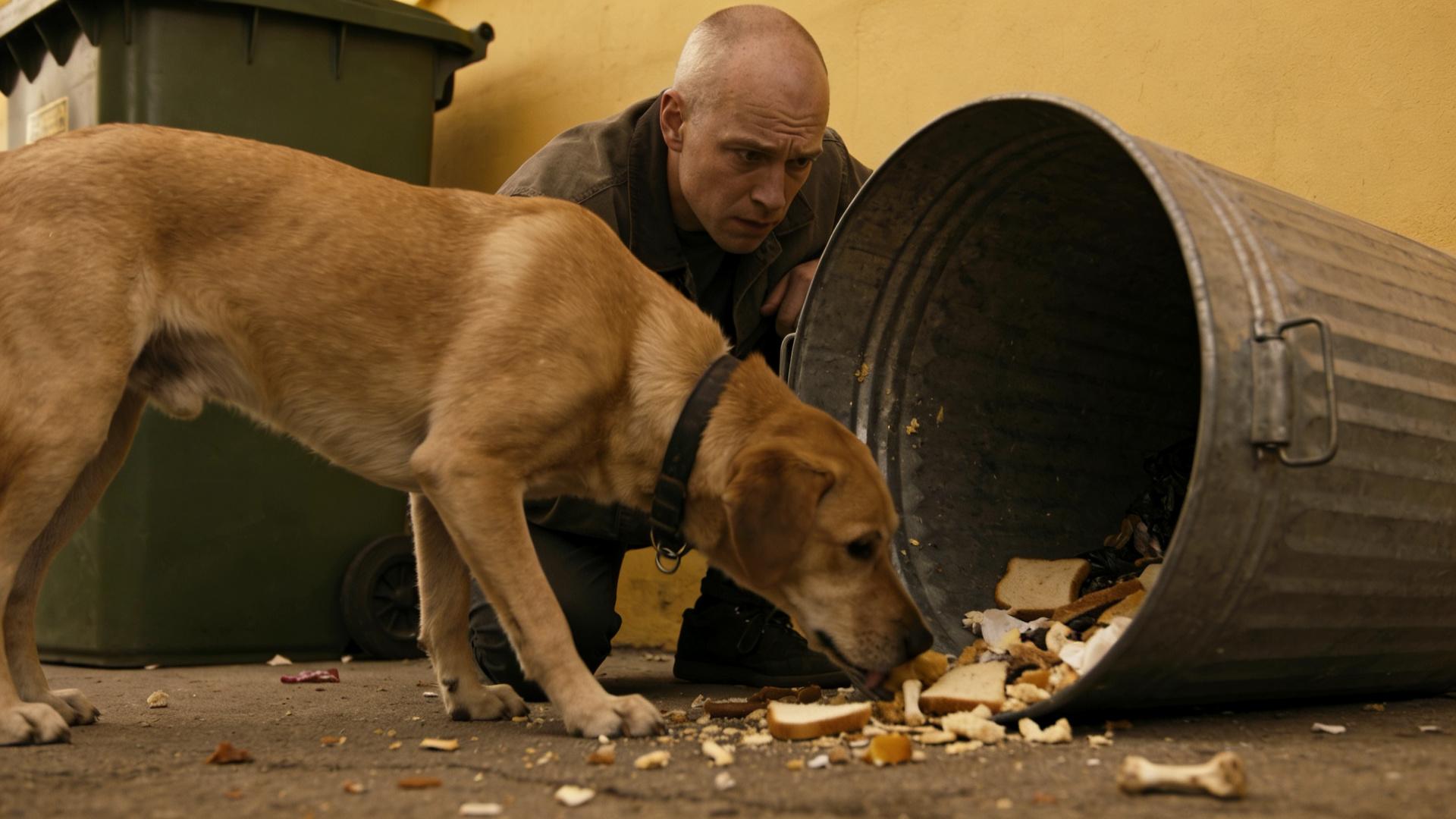
Habitual rummagerer in trash cans: How to correct this behavior through environmental setup and aversion therapy
Does your otherwise perfect pup transform into a trash bandit the moment you turn your back? You're not alone. This frustrating, messy, and potentially dangerous behavior is one of the most common complaints among dog owners. The good news is that it's highly manageable—but not through scolding or punishment. Successfully reclaiming your garbage requires a smart, two-pronged strategy: environmental management and behavior modification. This comprehensive guide will walk you through exactly how to implement both, creating a cleaner home and a safer, happier dog.
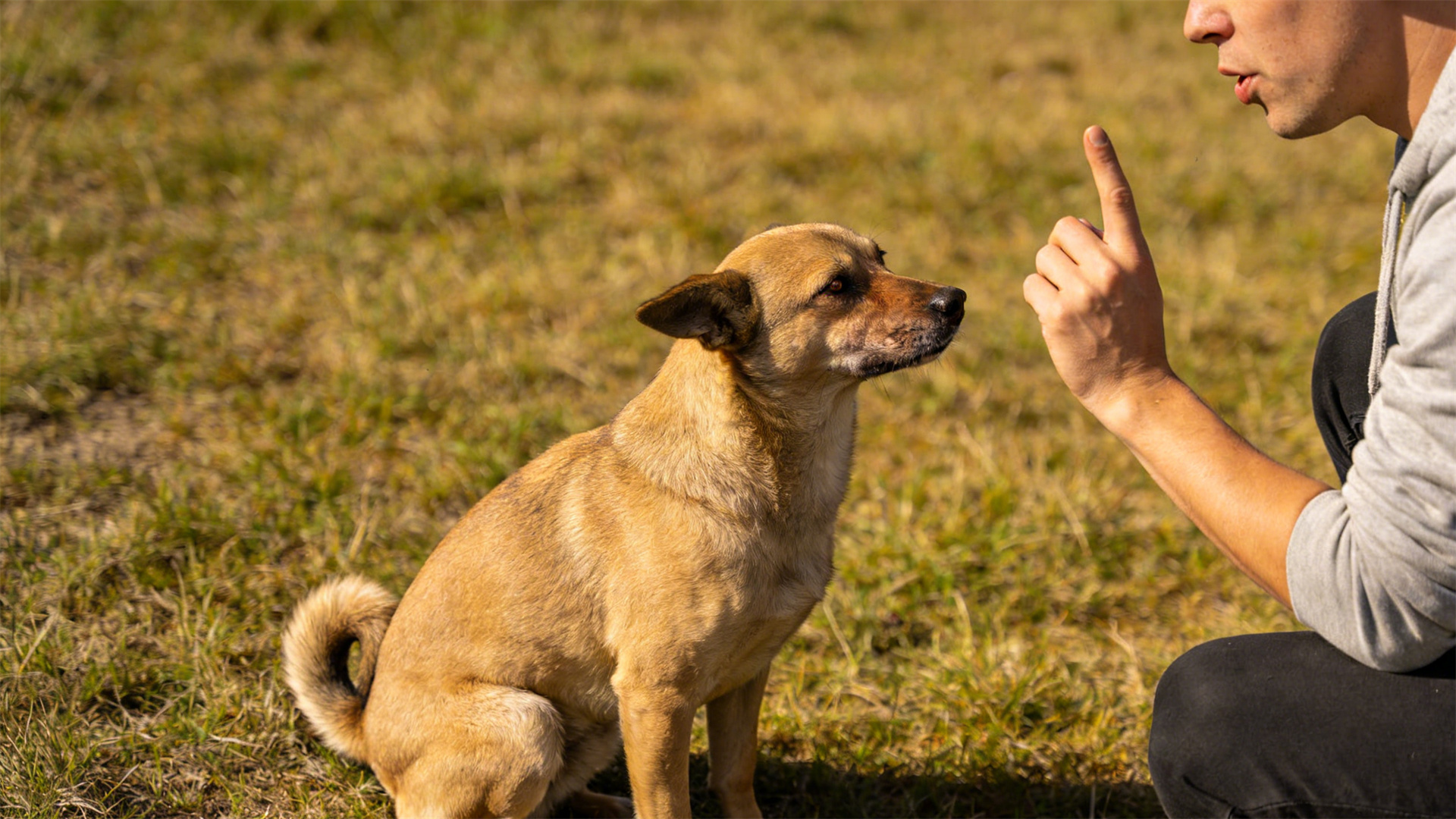
Quick Method for Establishing a Fixed Toileting Habit: How to Build a Conditioned Reflex Using Inducers and Rewards
House training. For many new dog owners, these two words conjure feelings of frustration, confusion, and the unmistakable scent of enzymatic cleaner. The cycle of guessing, accidents, and failed schedules can test the bond with your new companion. But what if the key wasn't just more frequent trips outside, but smarter communication? What if you could build a reliable, almost automatic habit in your dog? The solution lies not in scolding, but in leveraging the simple, powerful principles of behavioral psychology. This guide outlines a quick method for establishing a fixed toileting habit by constructing a clear conditioned reflex using two precise tools: the inducer and the reward. It’s a method that transforms you from a cleaner to a coach, forging a partnership built on clarity and positive reinforcement.
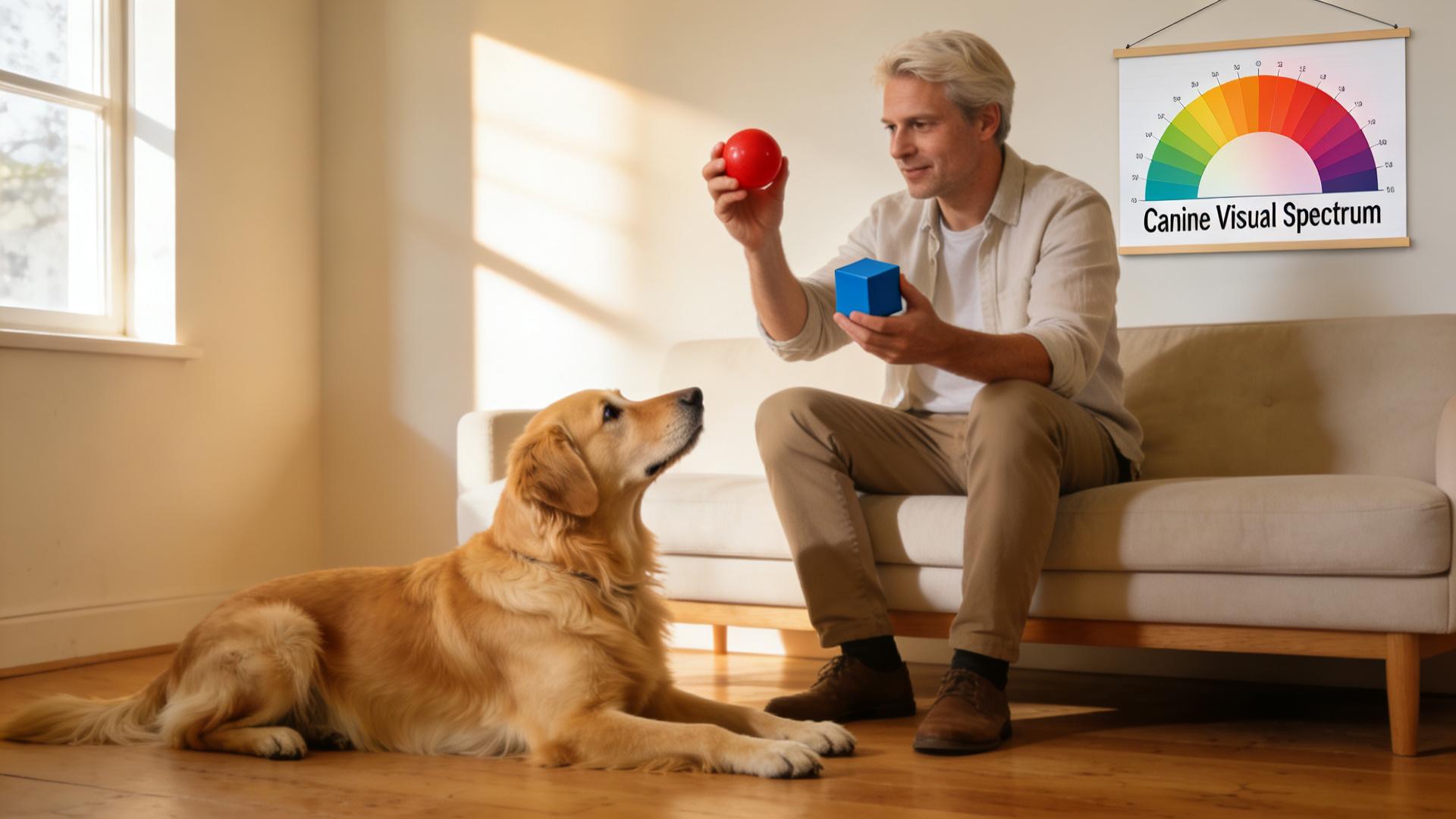
Dog logic development: Teach it to distinguish between red, yellow, and blue colors
For decades, the phrase "dog color blind" dominated our understanding of canine vision, leading many to believe our furry friends live in a world of grays. Dog color discrimination training shatters this outdated myth, presenting a fascinating frontier in advanced dog training. This journey isn't about giving your dog a superpower they don't possess; it's about harnessing their actual visual capabilities for profound mental stimulation for dogs. As a seasoned content creator in the canine realm, I'm here to guide you through this intricate process. We'll move beyond basic obedience into the realm of canine cognitive skills, where success is measured in engagement, communication, and the joy of collaborative learning. Remember, the goal is to exercise your dog's brilliant mind, not to pass a canine art critique.
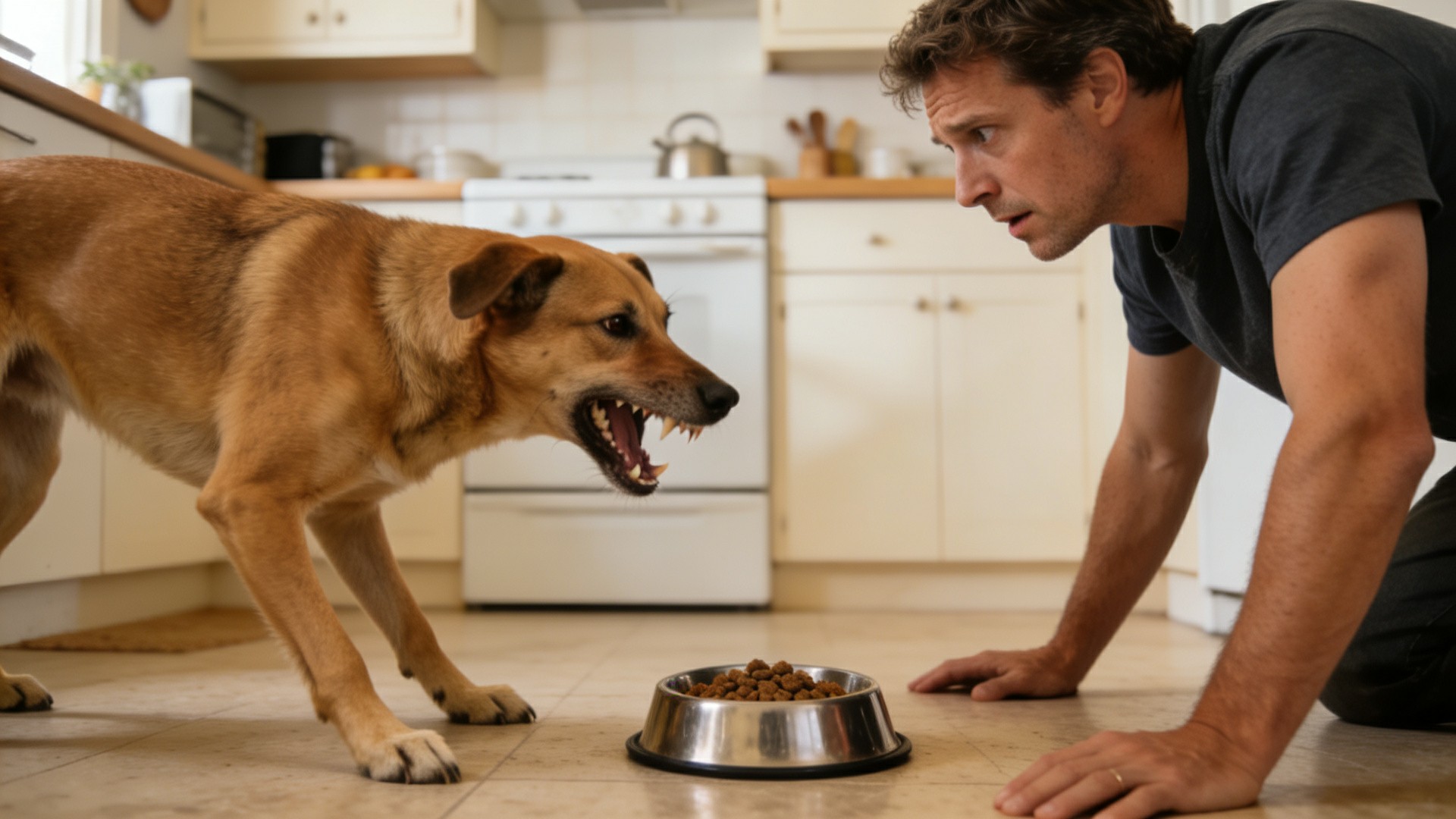
Refrain from food bowl guarding: Cultivate a "sharing" mentality in dogs from a young age.
In the harmonious home of a dog lover, few sounds are as jarring as a low growl emanating from the food bowl. Food bowl guarding is a common yet deeply concerning behavior that taps into a dog's most primal instincts. While rooted in natural survival mechanisms, when manifested in our living rooms, it can create tension, risk safety, and fracture the bond of trust. The good news? This behavior is not a life sentence. By understanding its origins and proactively cultivating a sharing mentality from the earliest age, we can guide our canine companions toward a mindset of relaxed abundance. This comprehensive guide will equip you with the knowledge and actionable strategies to prevent resource guarding, ensuring meal times are peaceful and your dog feels secure, not defensive.
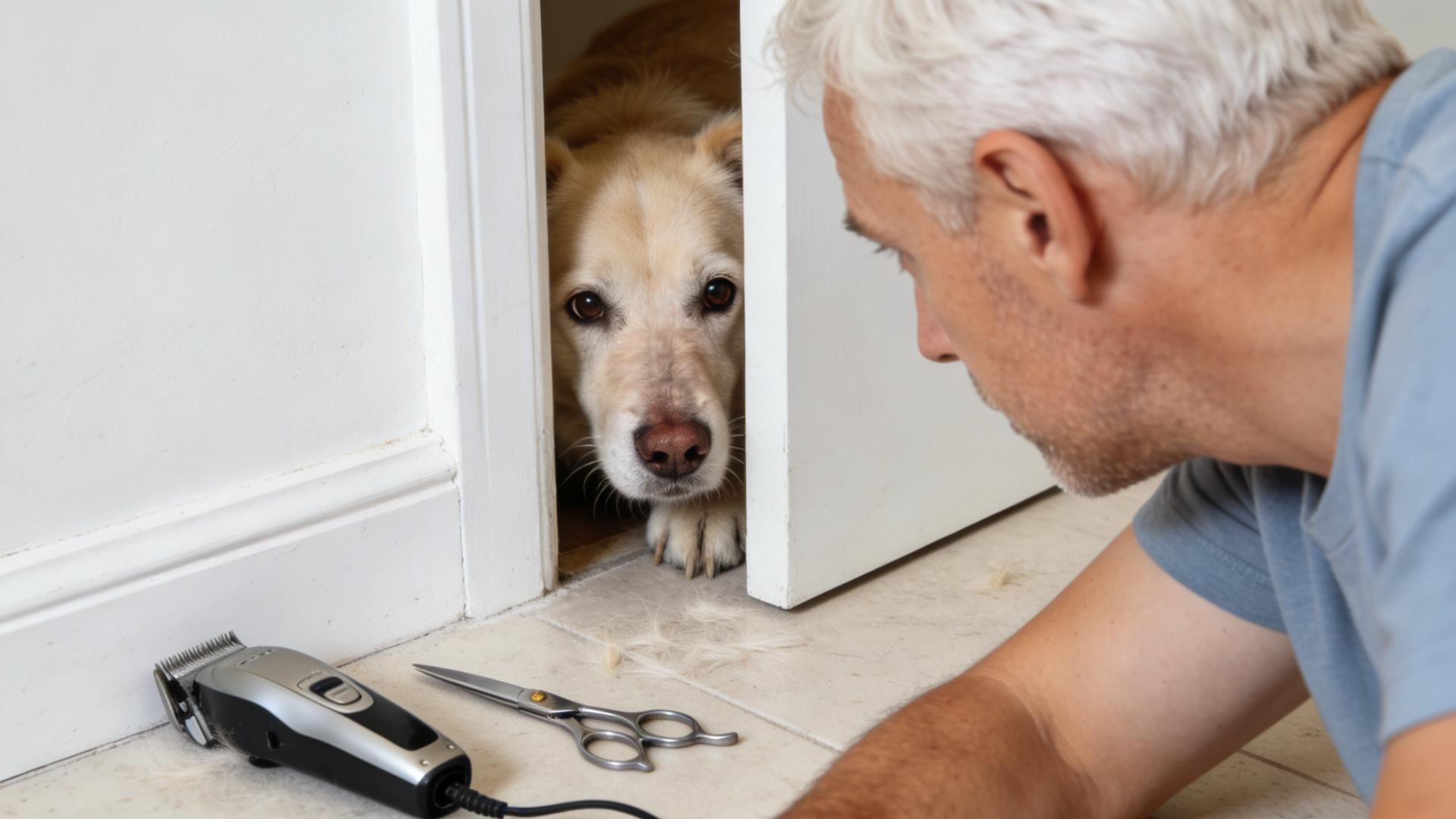
Alleviating grooming phobia: Helping dogs overcome their fear of scissors and clippers
For many dog owners, the simple mention of "grooming day" can induce a wave of dread. What should be a routine part of canine care—vital for health, hygiene, and comfort—can devolve into a traumatic struggle of fear, restraint, and stress. Grooming phobia is a prevalent, complex issue where a dog perceives scissors, clippers, and the entire grooming process as a significant threat. Transforming this experience from a nightmare into a manageable, even positive, routine is not only possible but essential for your dog's lifelong well-being. This comprehensive guide delves into the roots of this fear and provides a structured, empathetic path forward, strengthening the bond between you and your pet.