
You May Have Missed
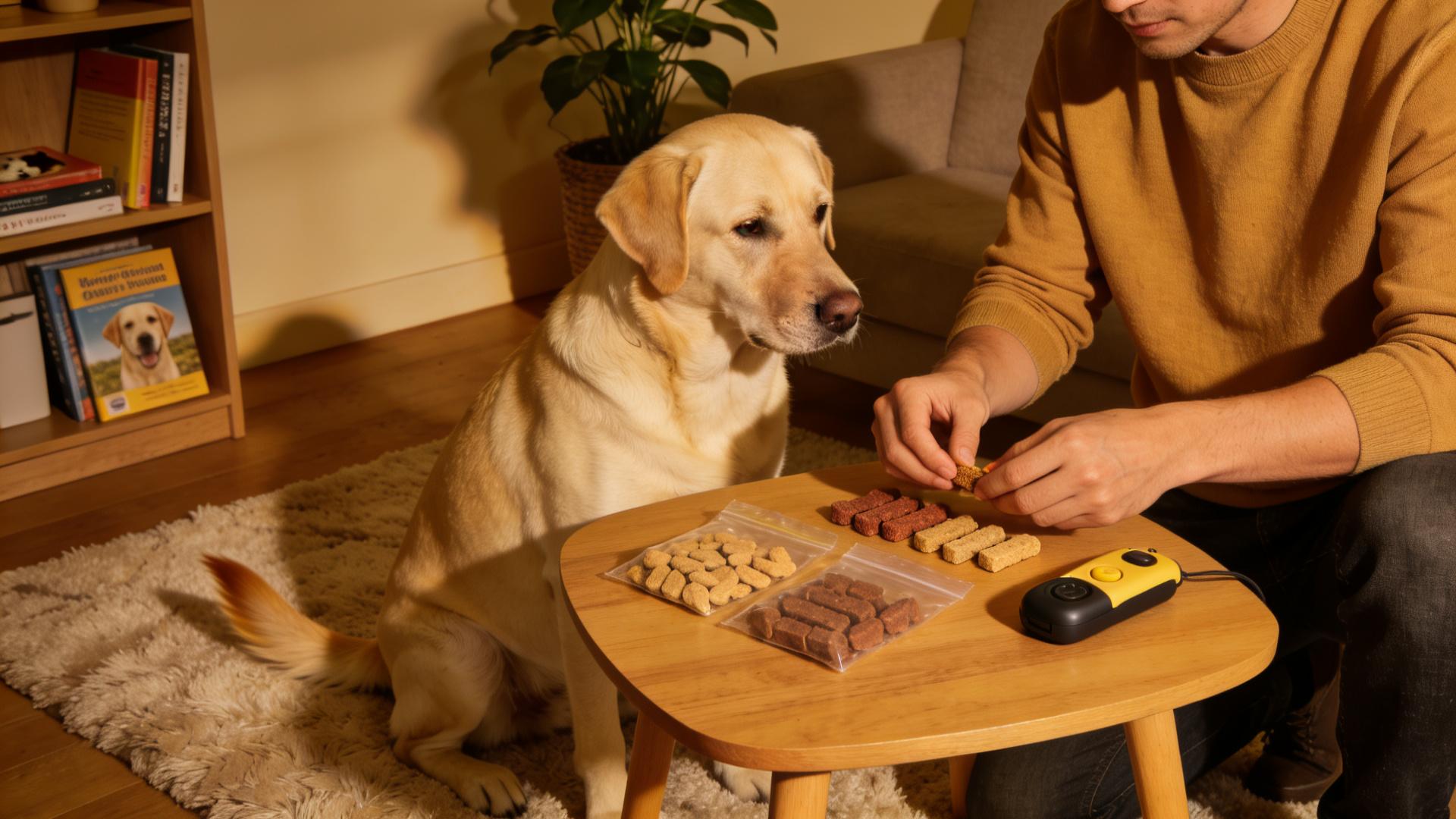
Capture Training: How to turn a dog's unintentional natural movements into commands
Picture this: your dog finishes a satisfying chew on their toy, lets out a big, relaxed sigh, and settles into a perfect, calm "down" position on the floor. In that moment, a beautiful, desirable behavior happened entirely on its own. What if you could harness those spontaneous moments and turn them into a cue you could call upon anytime? You can. Welcome to the elegant world of capture training.

Training Frequency Theory: Why is 10 minutes a day better than 2 hours a week?
Picture this: you’ve set aside a precious Saturday afternoon to finally get serious about your dog's training. You have treats, a clicker, and boundless determination. But fifteen minutes in, your dog is sniffing the grass, staring at a squirrel, or lying down with a sigh. Your two-hour "training marathon" dissolves into a cycle of frustration and distracted refocusing. Sound familiar? If so, you’re asking the right question: What is the optimal dog training frequency? The answer, backed by science and experience, challenges the marathon mentality. In essence, short, daily dog training sessions are profoundly more effective than infrequent, lengthy ones. Let's explore why the 10-minute daily habit reigns supreme.

Solving a dog's "fetish": Why does it always steal its owner's socks?
You’ve just finished folding the laundry, or perhaps you’re rushing to get dressed for work. One crucial item is missing: a sock. You search under the bed, behind the couch, to no avail. Then, you spot it. There, nestled in your dog’s bed, is the missing sock—slightly damp, covered in slobber, but seemingly cherished. If this scene is a daily drama in your home, you’re not alone. The dog sock stealing behavior is a universal, baffling, and often frustrating canine quirk. But what if this isn't just mischievous defiance? What if your dog’s sock obsession is a window into its canine mind? This article will delve into the instinctual drives behind this habit and provide a clear, actionable roadmap to reclaim your hosiery and restore harmony.

Crate training for puppies: Turn the crate into its favorite "safe house".
If the thought of crate training for puppies fills you with images of a sad, whining pup, you're not alone. Many new owners struggle with guilt, viewing the crate as a cage or a punishment. But what if we told you that, done correctly, your puppy's crate could become its most cherished sanctuary—a personal safe house where it feels completely secure and content? The key lies not in confinement, but in positive association. This guide will walk you through a compassionate, step-by-step process to transform that empty crate into your puppy's favorite nap spot and cozy den, alleviating your anxiety and building your dog's confidence.

Rainy Day Indoor Activity Guide: 5 Brain-Teasing Games You Can Play Without Leaving Home
The sky opens up, the pitter-patter on the roof begins, and you see your dog's ears droop. Another walk cancelled, another day of pent-up energy. But what if rainy days became an opportunity rather than a limitation? For the modern canine, mental stimulation is not a luxury; it's a necessity. A bored dog is often a destructive dog, and physical exercise is only one piece of the well-being puzzle. Engaging your dog's brain can tire them out as effectively as a long run, curbing behaviors like excessive barking, chewing, and pacing. This guide delves into five sophisticated, no-travel-required games that will transform your home into a canine cognitive gymnasium, ensuring a happy, tired, and fulfilled companion, come rain or shine.
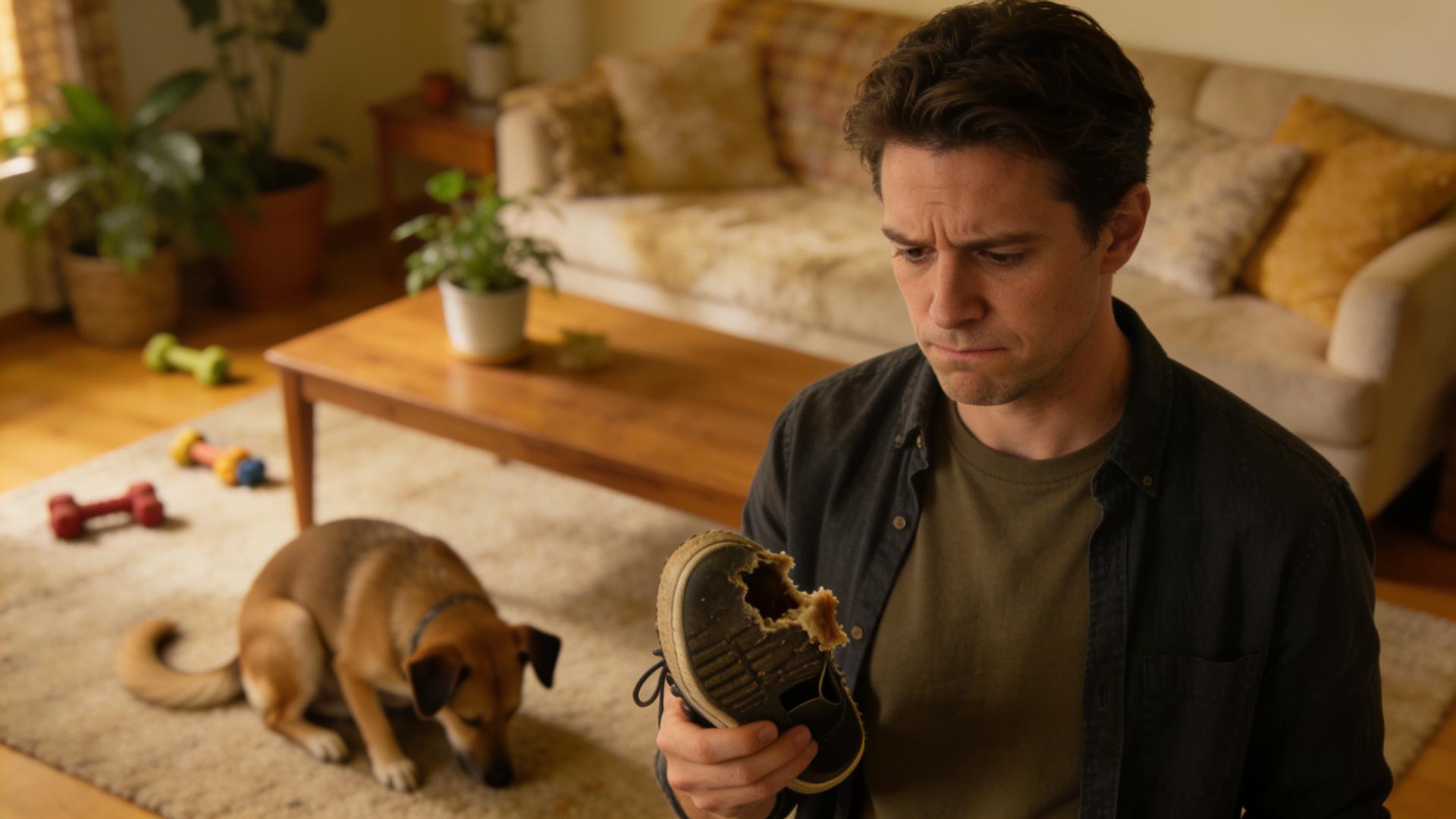
Side effects of punishment: Analyzing why corporal punishment can lead to more severe behavioral deviations
You are at the end of your rope. Your dog has chewed another shoe, barked relentlessly at a passerby, or had an accident on the rug for the third time this week. Frustration mounts, and a thought crosses your mind: "Maybe a firm physical correction is what they need to finally understand." This moment of desperation is a crossroads for countless dog owners. The intention is to stop the unwanted behavior, but the outcome is often a deeper, more complex problem. This article delves into the critical question: Why do harsh punitive methods so frequently backfire, creating more severe behavioral deviations than the original issue? We will analyze the unintended psychological consequences of punishment, providing a clear, science-based rationale for abandoning these methods in favor of ethical, effective training that builds trust instead of fear.