
You May Have Missed
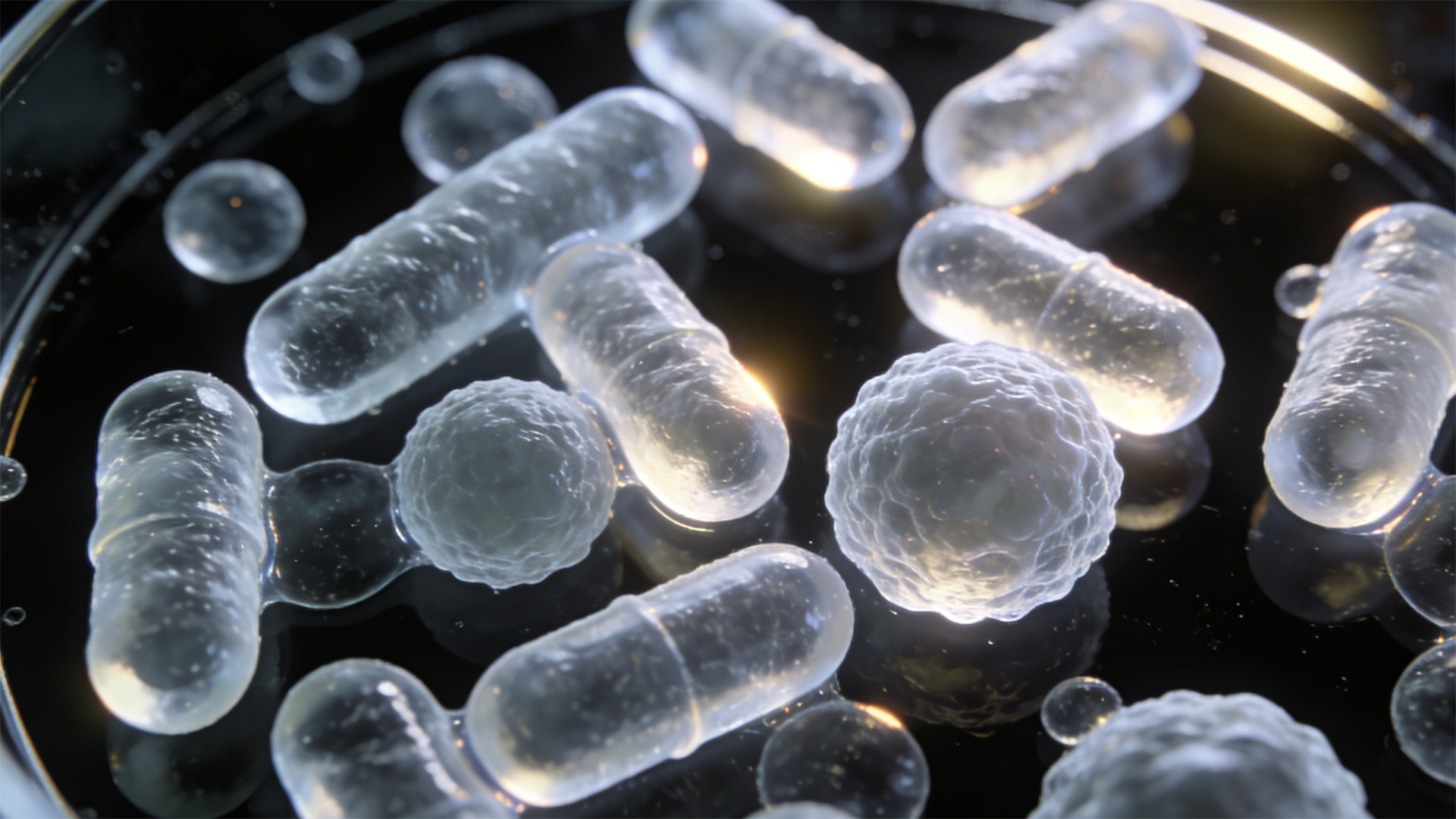
Canine Gut Microbiota: The Practical Role of Probiotics and Prebiotics in Improving Soft Stools
If you're here, you've likely been on the less glamorous end of dog ownership. You're not just a pet parent. You're a poop detective. The sight of a soft, unformed stool where a firm, healthy one should be is a common but frustrating concern. Before you spiral into worry about serious illness or dietary dead-ends, take a deep breath. More often than not, the answer lies not in a dramatic medication, but in the microscopic world within your dog's digestive tract. The solution is often about nurturing balance. This article will guide you through the practical, actionable science of your dog's gut health. We will demystify the canine gut microbiota and explain exactly how two powerful tools—probiotics and prebiotics—can work together to transform your dog's digestion and finally firm up those stools.
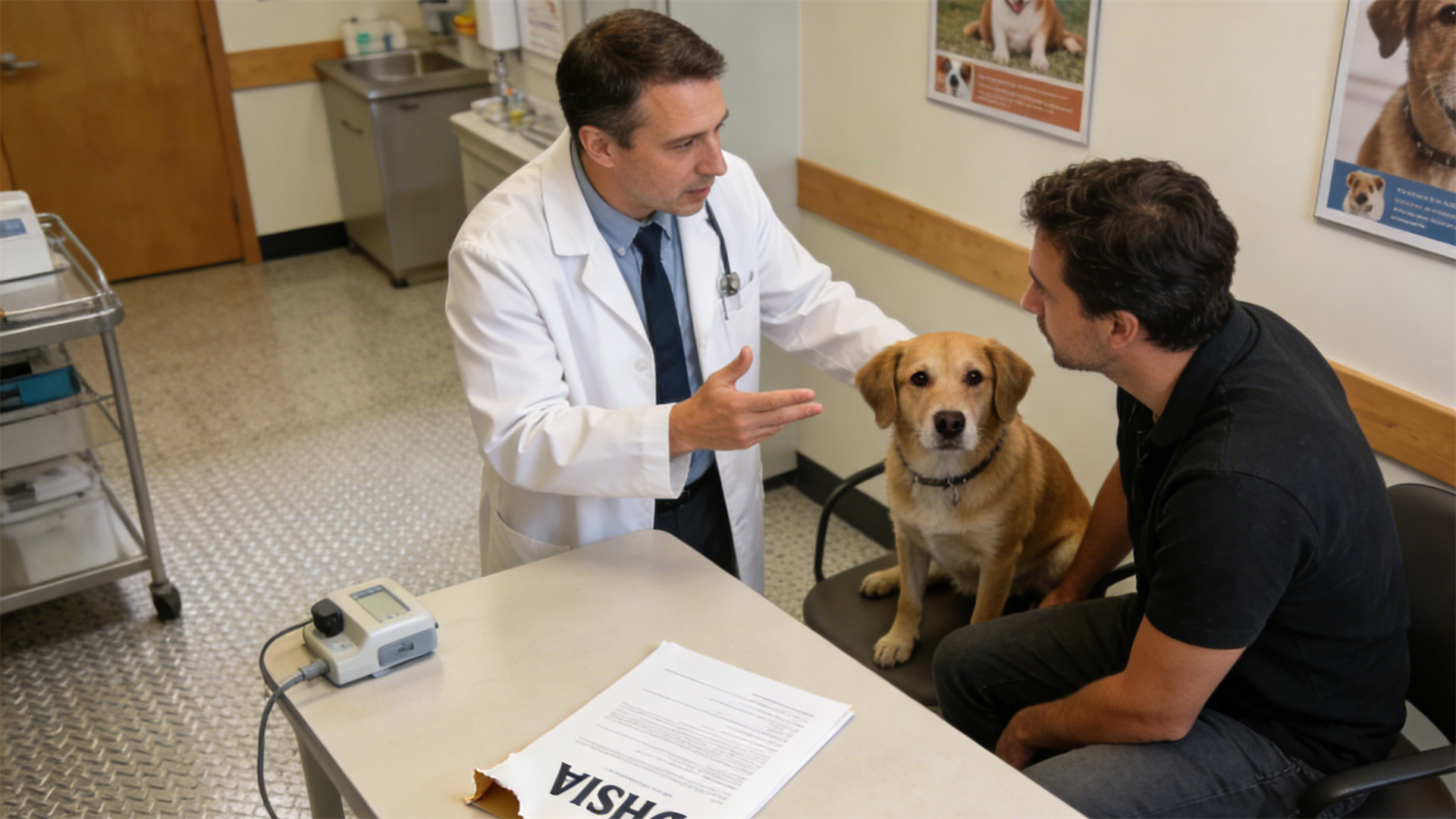
Cognitive impairment (CCD)
Watching your loyal companion grow older is a journey filled with love, but it can also bring new challenges. If your senior dog seems to be "acting differently," it might not just be normal aging. Canine Cognitive Dysfunction, often called dog dementia, is a common but under-recognized condition affecting older dogs. Similar to dementia or Alzheimer's in humans, CCD is a progressive, age-related decline in cognitive abilities caused by physical changes in the brain. This article will guide you through recognizing the signs, understanding the condition, and most importantly, learning actionable strategies to support your dog's quality of life. You are not alone in this journey.
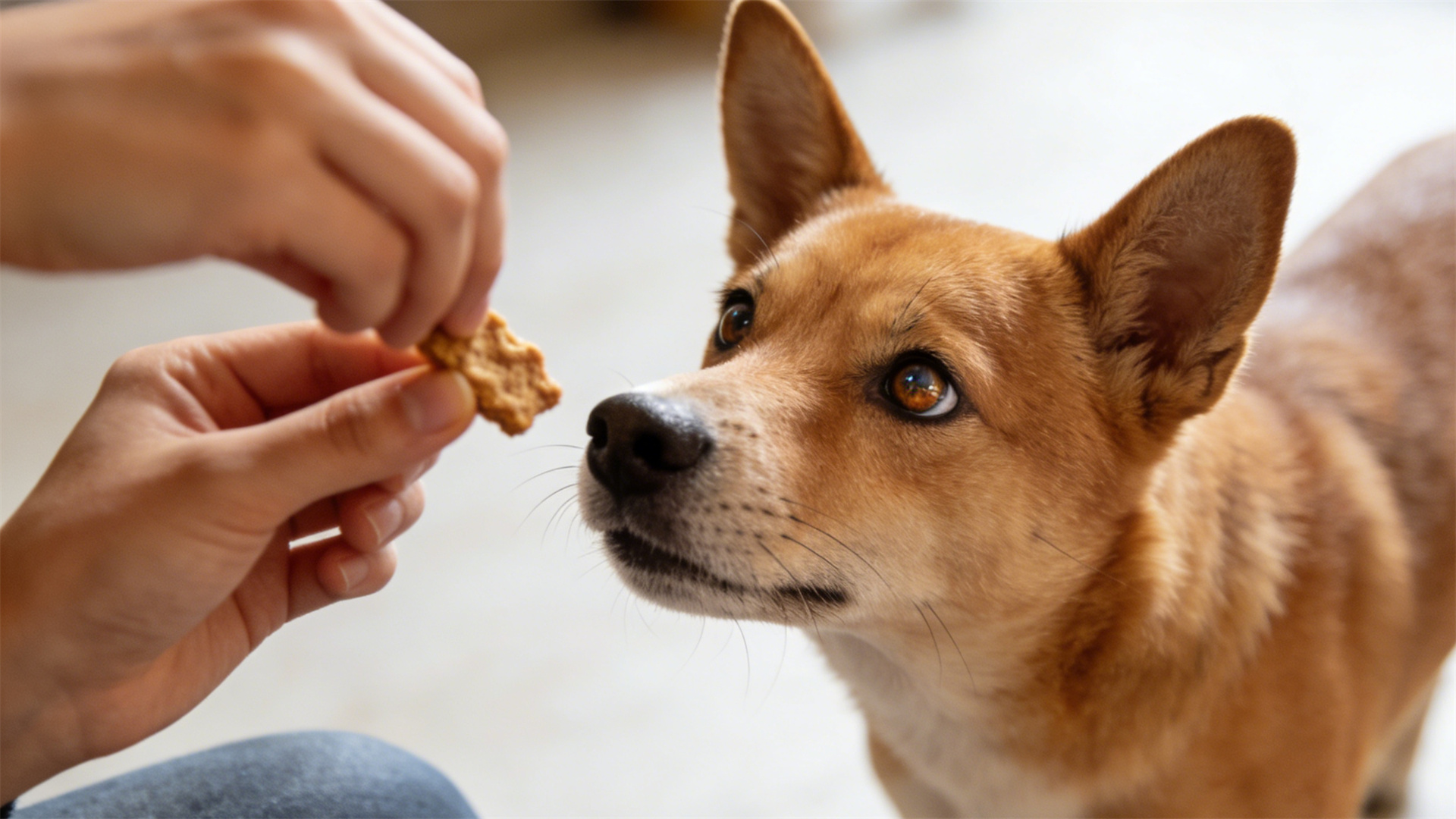
Benefits of positive reinforcement training for the nervous system: Why does physical punishment lead to chronic diseases in dogs?
Every choice you make in training your dog echoes through their entire body, influencing not just their behavior but their lifelong physical health. The question is no longer simply about "what works," but about what biologically builds a robust, resilient companion or a chronically stressed, susceptible patient. This article delves into the profound science behind why positive reinforcement training fosters wellness and how methods based on physical punishment can plant the seeds for chronic diseases in dogs.
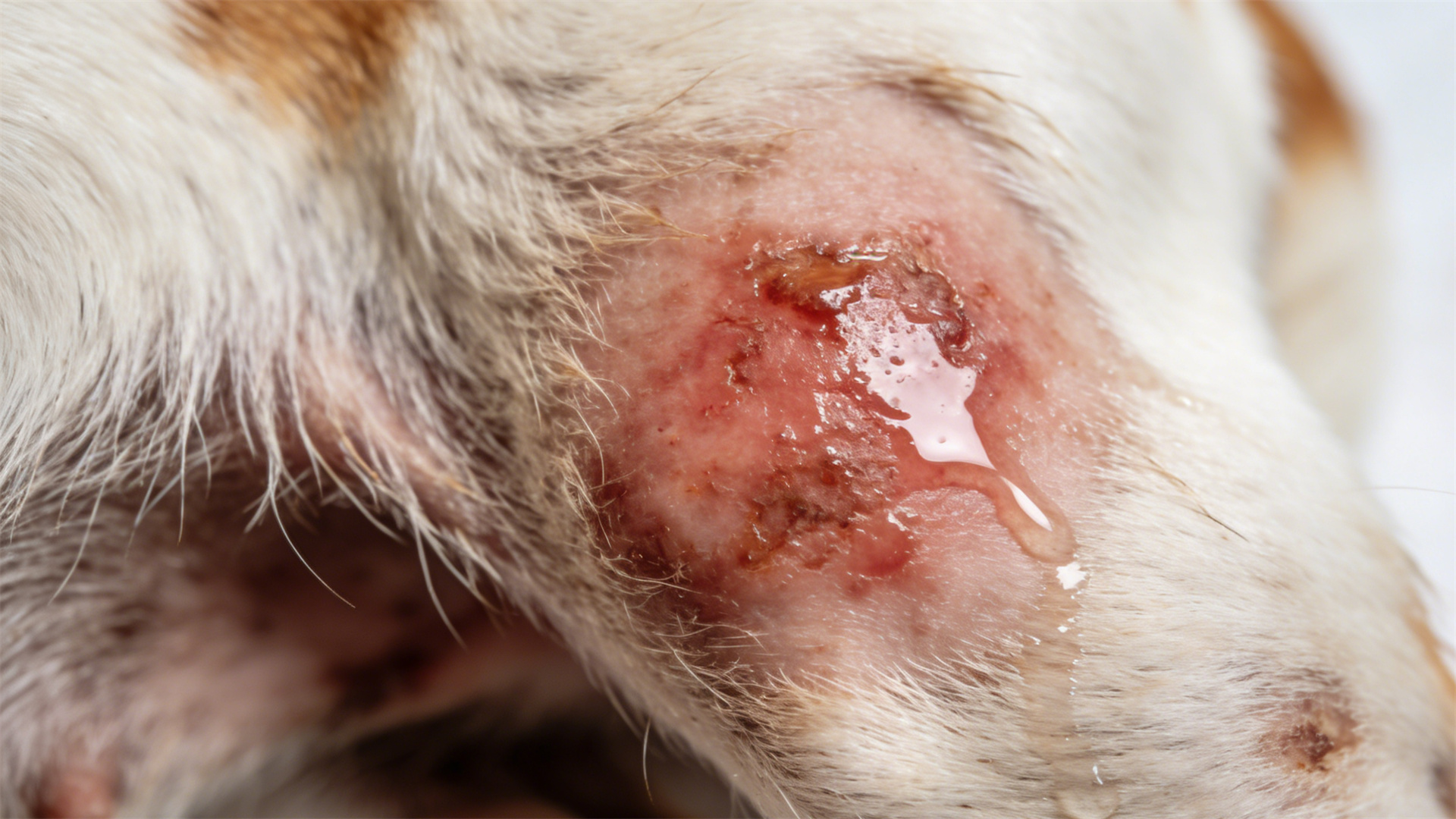
Health risks after getting wet in the rain: eczema, colds, and the details of drying your skin.
The joyous, muddy puddle jump, the enthusiastic sprint through a downpour—for many dogs, rainy weather is just another exciting element of their outdoor adventure. However, as they shake off in your hallway, a hidden process begins. That sodden coat isn't just an inconvenience; it's a potential gateway to a range of health issues that can dampen your canine companion's spirits far more than the weather. For the responsible pet owner, understanding the health risks posed by lingering moisture and mastering the art of proper drying are not just chores, but critical acts of preventative healthcare. This comprehensive guide delves into the science behind the risks, from the itchy menace of canine eczema to the sneezes of a dog cold, and provides an exhaustive, step-by-step protocol to ensure your dog is truly dry, safe, and comfortable after every wet outing.
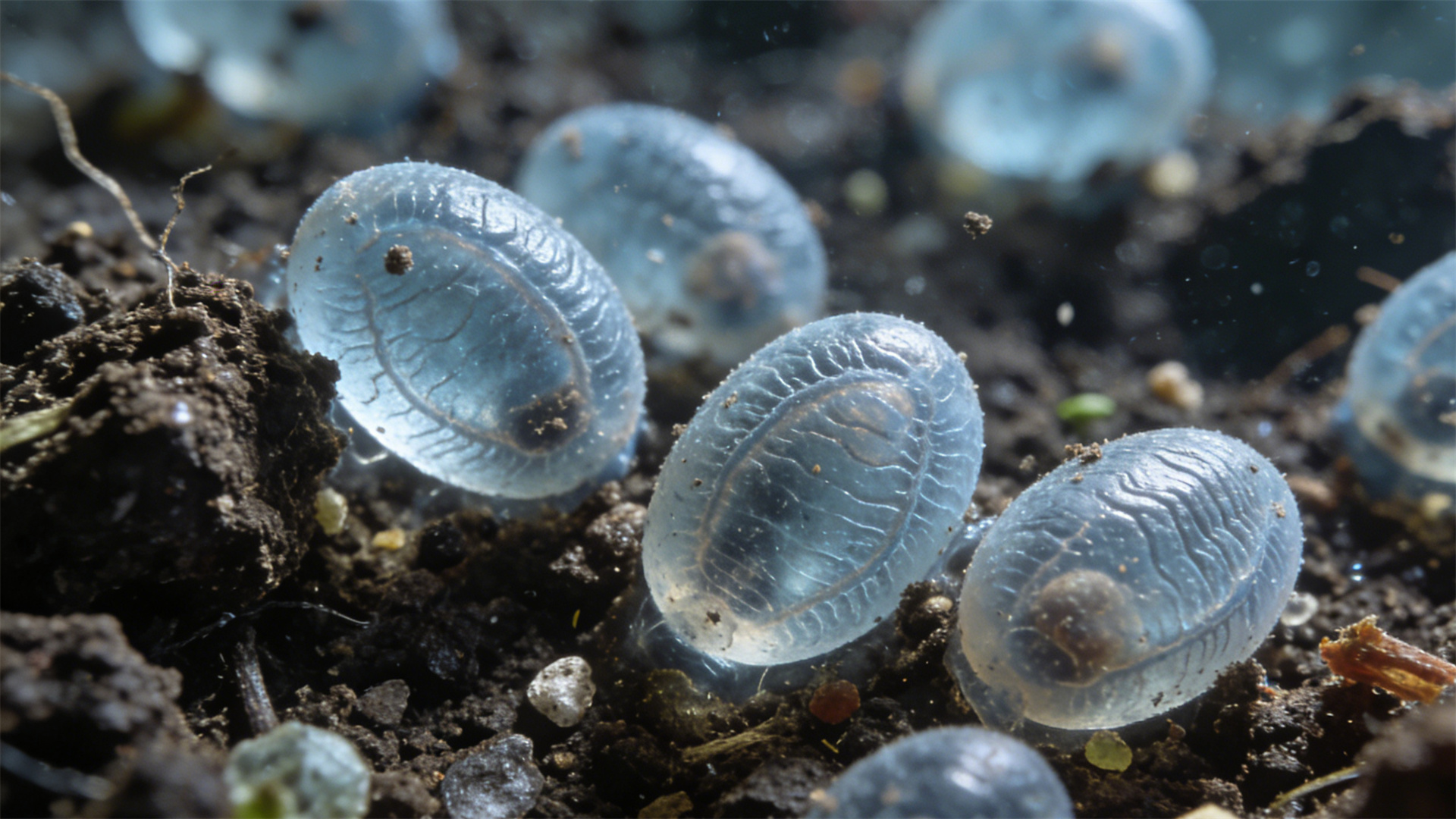
Warning about zoonotic diseases in cats and dogs: How to prevent cross-infection of parasites in multi-pet households
Welcome to your essential guide for safeguarding your furry family and yourself! If your home is blessed with the pitter-patter of both canine and feline paws, you're part of a vibrant multi-pet household. However, this wonderful coexistence comes with a heightened responsibility: managing the risk of zoonotic diseases. These are infections that can transfer from animals to humans, and parasites are often the culprits. The close quarters of a shared home create perfect conditions for parasite cross infection. But fear not—with knowledge and proactive steps, you can create a fortress of safety. This article will equip you with everything you need to know about common threats and actionable zoonosis prevention tips.
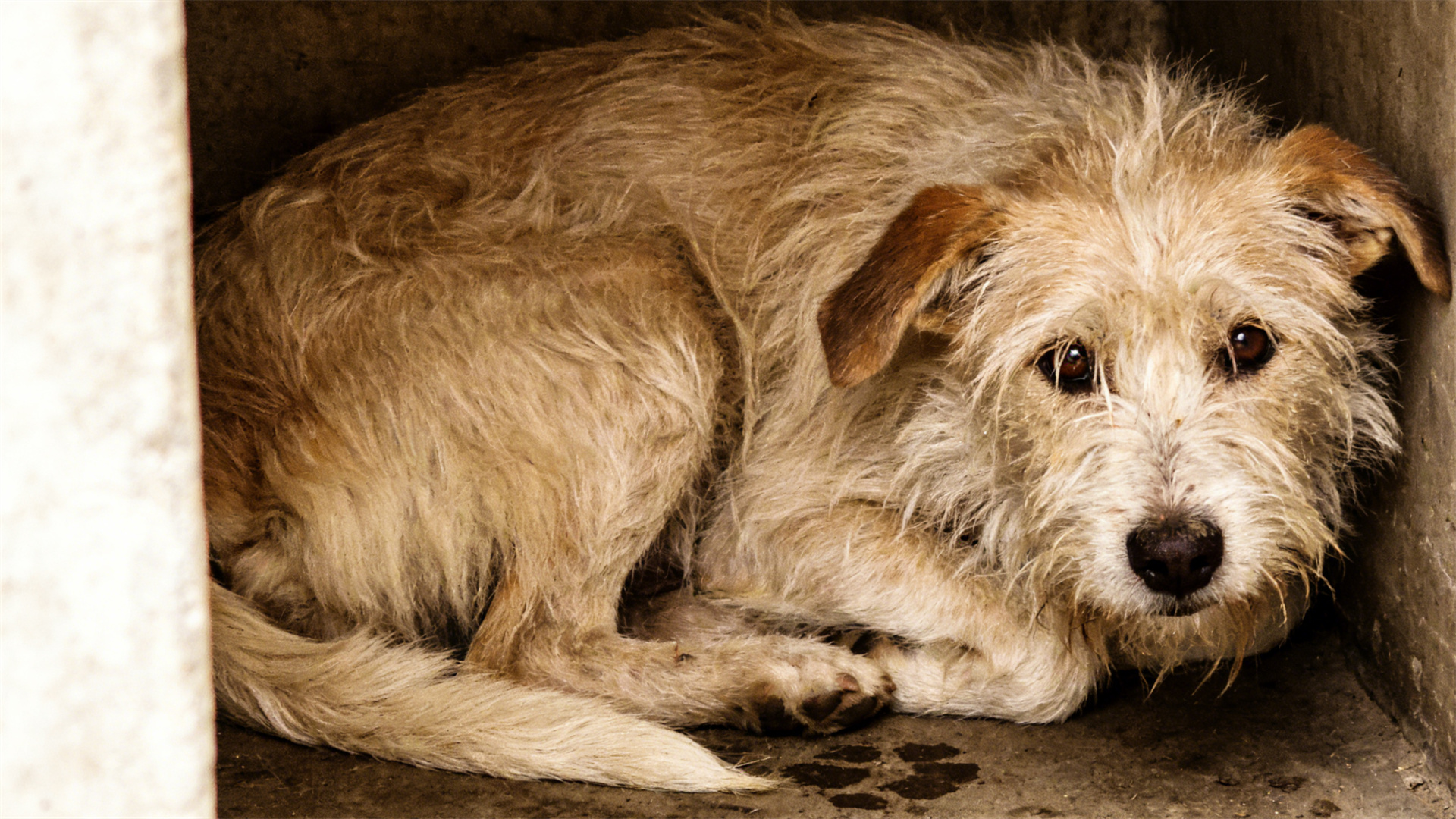
Physiological manifestations of separation anxiety: How chronic stress damages a dog's immune system
You notice the shredded couch cushion, the anxious whining as you grab your keys, the frantic greeting when you return—even from a quick grocery run. Most dog owners recognize these as classic signs of separation anxiety. But what many fail to see is the invisible, internal storm brewing beneath the surface. This isn't just a behavioral issue; it's a profound physiological crisis that systematically dismantles your dog's health from the inside out. The chronic stress of separation anxiety doesn't just hurt your dog's feelings; it inflicts measurable, long-term damage to your dog's immune system, opening the door to a host of serious illnesses. Understanding this link is the first, most critical step in protecting your loyal companion's long-term vitality.