
You May Have Missed
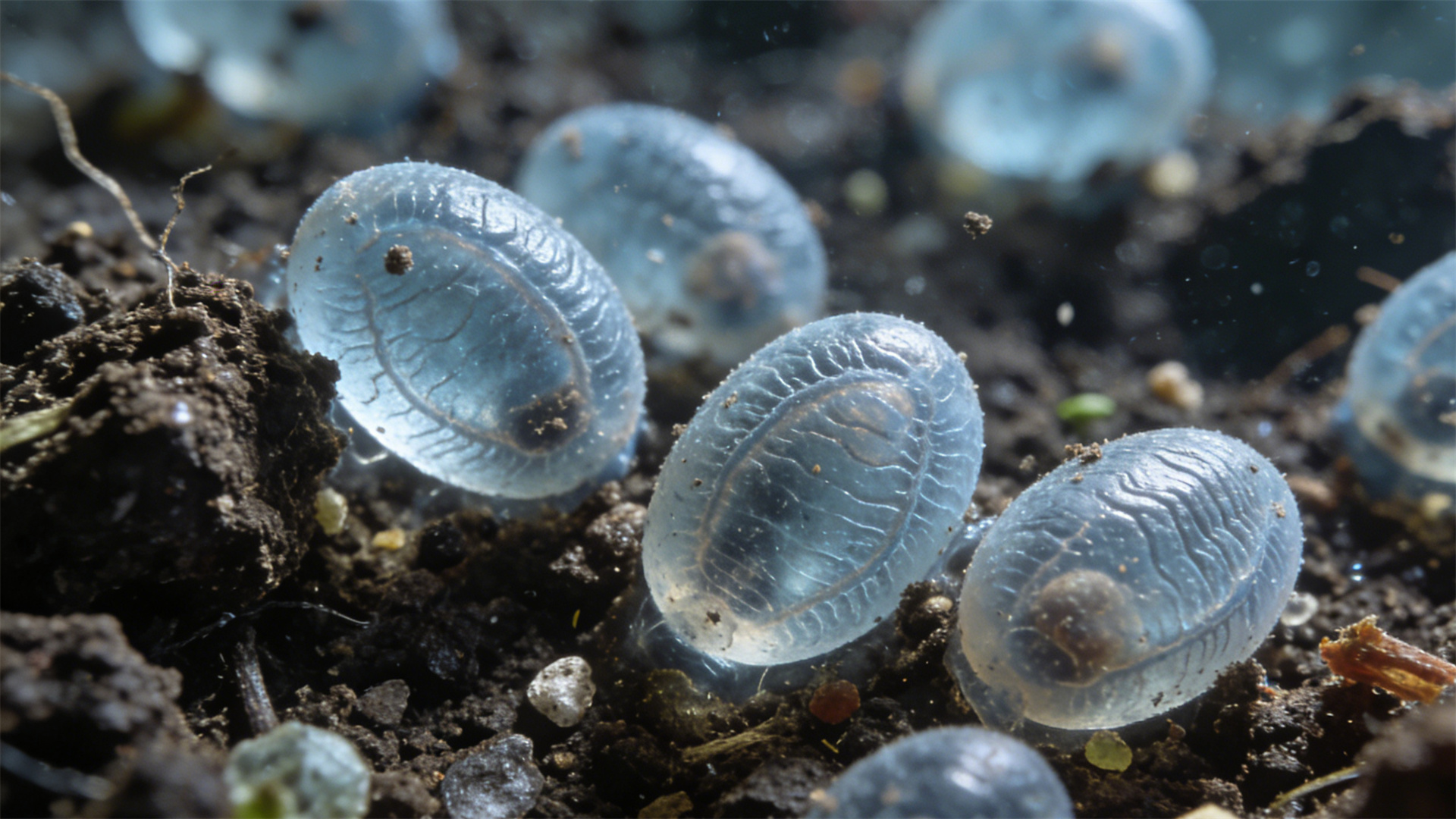
Warning about zoonotic diseases in cats and dogs: How to prevent cross-infection of parasites in multi-pet households
Welcome to your essential guide for safeguarding your furry family and yourself! If your home is blessed with the pitter-patter of both canine and feline paws, you're part of a vibrant multi-pet household. However, this wonderful coexistence comes with a heightened responsibility: managing the risk of zoonotic diseases. These are infections that can transfer from animals to humans, and parasites are often the culprits. The close quarters of a shared home create perfect conditions for parasite cross infection. But fear not—with knowledge and proactive steps, you can create a fortress of safety. This article will equip you with everything you need to know about common threats and actionable zoonosis prevention tips.
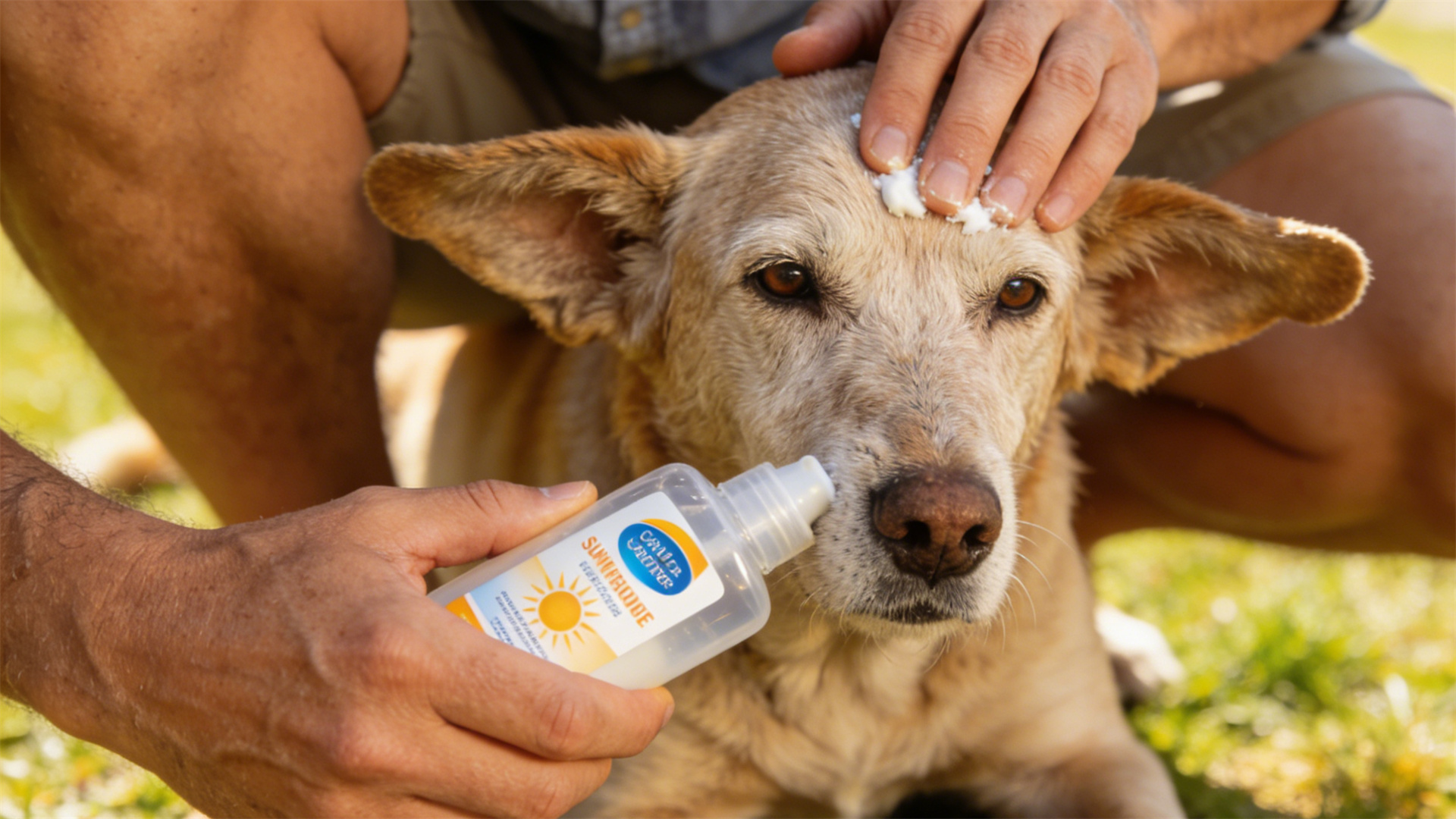
Hair management for senior dogs: Cold and sun protection measures after skin thins
As our canine companions gracefully enter their golden years, their care requirements evolve. One of the most significant yet often overlooked changes involves their skin and coat. What was once a resilient barrier against the elements can become delicate and vulnerable. For the devoted owner, understanding and adapting to these changes isn't a matter of vanity—it's a core component of preventative health and comfort. This comprehensive guide delves into the world of hair management for senior dogs, with a specialized focus on protecting their thinning skin from two opposing threats: biting cold and harsh sunlight.
2026 Canine Psychology: Five Typical Signs of Canine Depression
The year 2026 marks a pivotal moment in our relationship with dogs. advancements in canine psychology have moved from the lab to the living room. with neuroimaging and biometric sensors now commonplace. we can peer into the canine mind like never before. This reveals a profound truth. dogs experience complex emotional states. including depression. Recognizing canine depression is no longer optional. it is a critical component of responsible pet ownership. This article delves into the future of dog mental health. detailing five typical signs of canine depression as understood in 2026. Our objective is clear. to equip you with knowledge that is both cutting-edge and actionable. ensuring your dog thrives emotionally and physically.

The grain controversy is over: Why do some dog breeds still need adequate dietary fiber?
For years, the dog food aisle was a battleground of grain-free diet dogs versus traditional formulas, fueled by fears and trends. Today, the grain controversy dogs have endured is largely settled by science, shifting our focus from elimination to inclusion. The real question isn't about grains per se, but about ensuring all dogs, especially certain breeds, receive optimal dietary fiber for dogs. This article delves into why canine dietary fiber is non-negotiable for health, how needs vary by breed, and how to provide it wisely.

Hypoglycemia in Small Dogs: Details of Managing Small, Frequent Meals in Puppies
For owners of tiny companions—a Chihuahua, Yorkie, Pomeranian, or any other petite breed—the joy of a new puppy is immense. Yet, this joy comes with a significant responsibility unique to their size: guarding against hypoglycemia, or dangerously low blood sugar. This condition isn't just a minor concern; it's a potentially life-threatening emergency that can escalate with frightening speed. The cornerstone of prevention and management lies in a deceptively simple strategy: small, frequent meals. This article is your comprehensive guide to understanding why this is non-negotiable for toy and small breed puppies and exactly how to implement it to ensure your furry friend thrives.
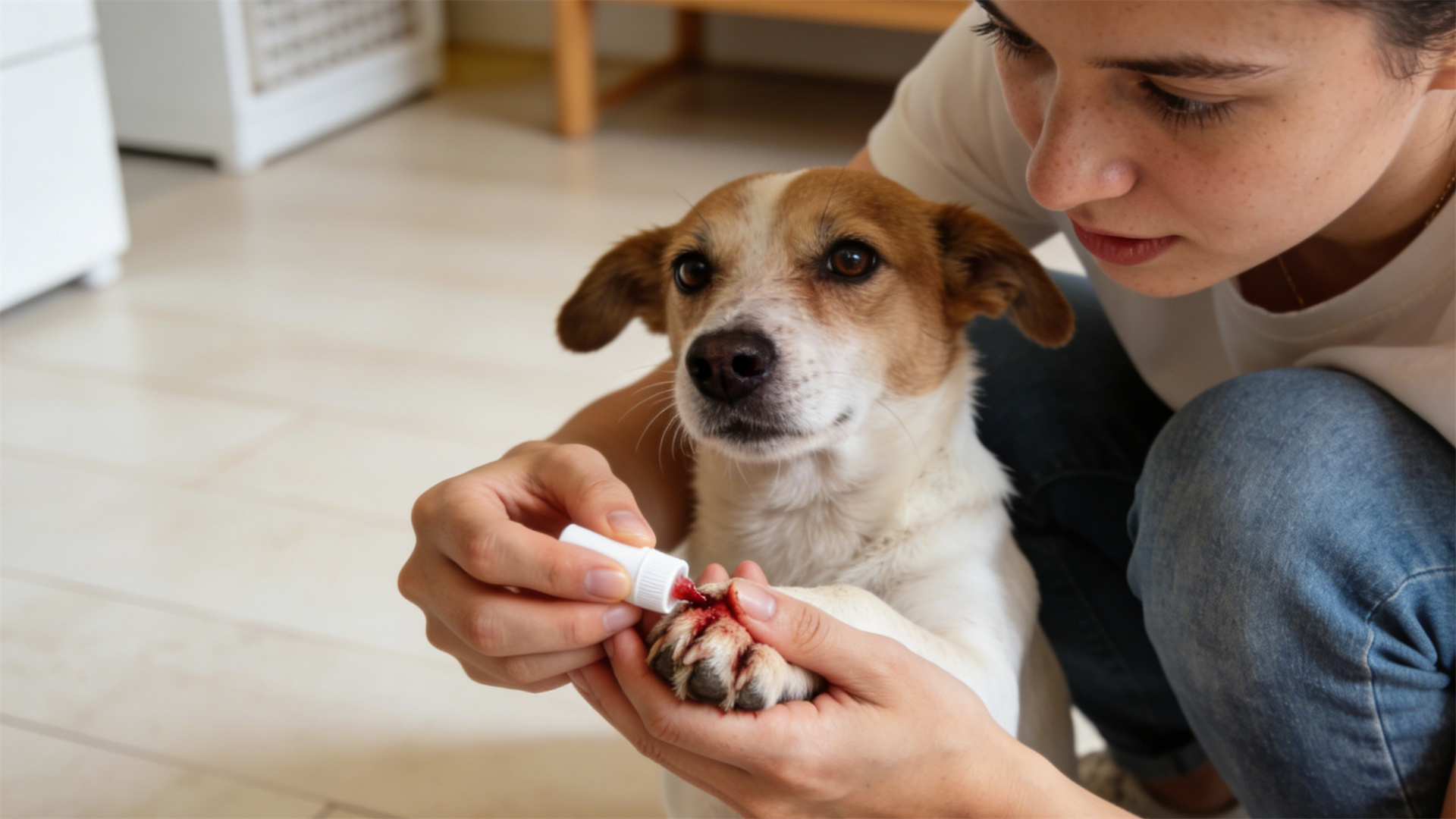
First aid for nails clipped too short: essential home remedies for styptic powder and wound treatment.
The sudden sight of blood after a nail trim can send any dog owner into a panic. Rest assured, accidentally clipping your dog's nail too short and nicking the quick is an incredibly common grooming mishap. This article provides a calm, step-by-step guide to managing this situation at home. Our immediate goals are to stop the bleeding effectively and prevent infection. Understanding a bit of anatomy helps: inside your dog's nail is a living, blood-rich nerve called the quick. In light-colored nails, it's visible as a pinkish area; in dark nails, it's hidden. Cutting into it causes bleeding and discomfort, but with the right first aid, it's a quickly solvable problem.