
You May Have Missed
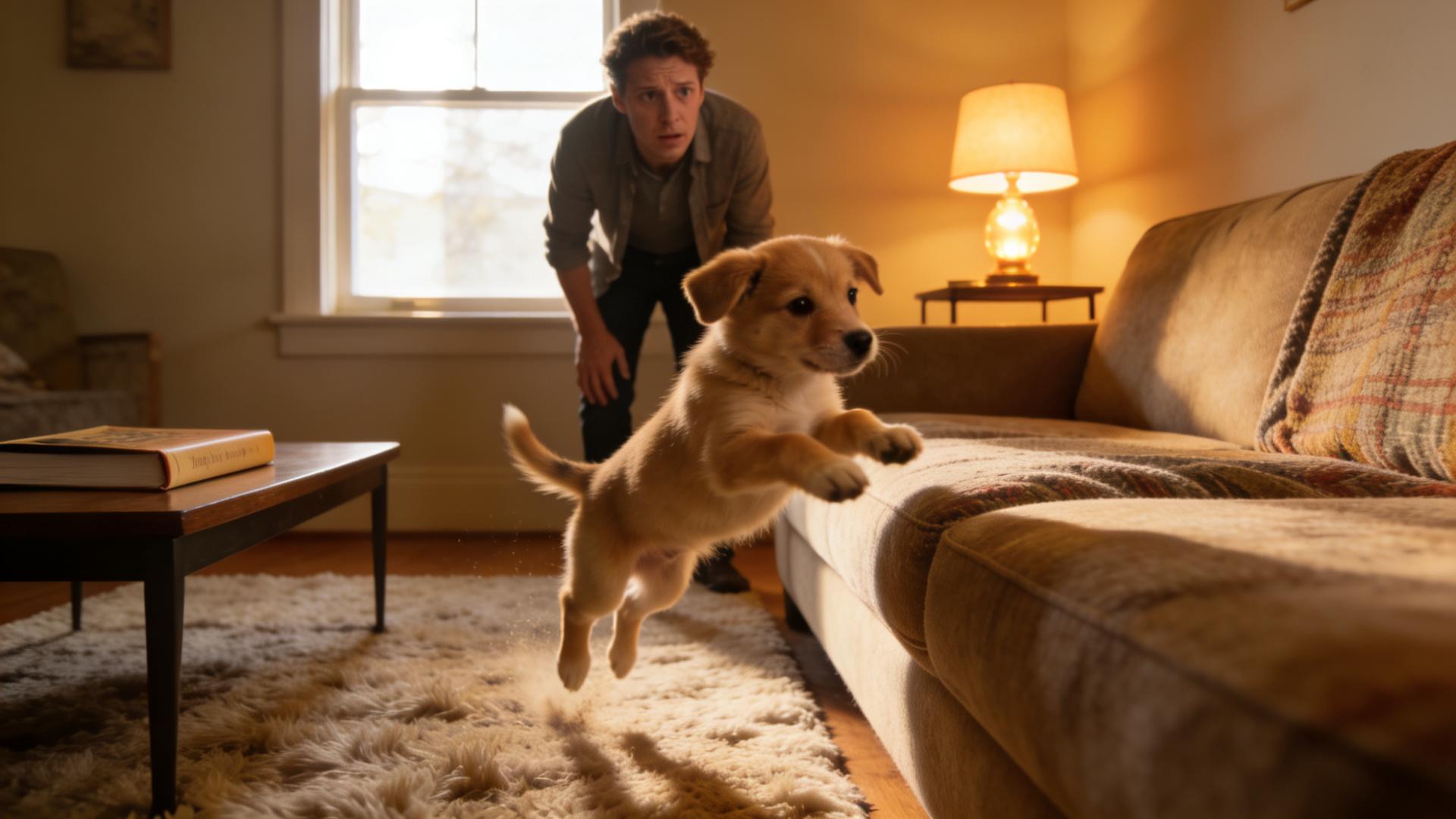
Step and ramp training: Develops puppies' limb coordination
As a loving puppy parent, you watch every wobbly step and joyful bounce with a mix of adoration and quiet concern. That leap off the couch makes your heart skip a beat. You wonder: is this safe for their growing joints? What if they miss and tumble? This instinct to protect is the first sign of a great owner. Today, we’re turning that concern into proactive, health-building action. Beyond just getting on the bed, structured step and ramp training is a foundational skill that cultivates body awareness, prevents injury, and sets the stage for a lifetime of confident movement. This article will guide you through why it's critical, how to choose the right tools, and provide a step-by-step protocol to develop your puppy's limb coordination and proprioception safely and effectively.
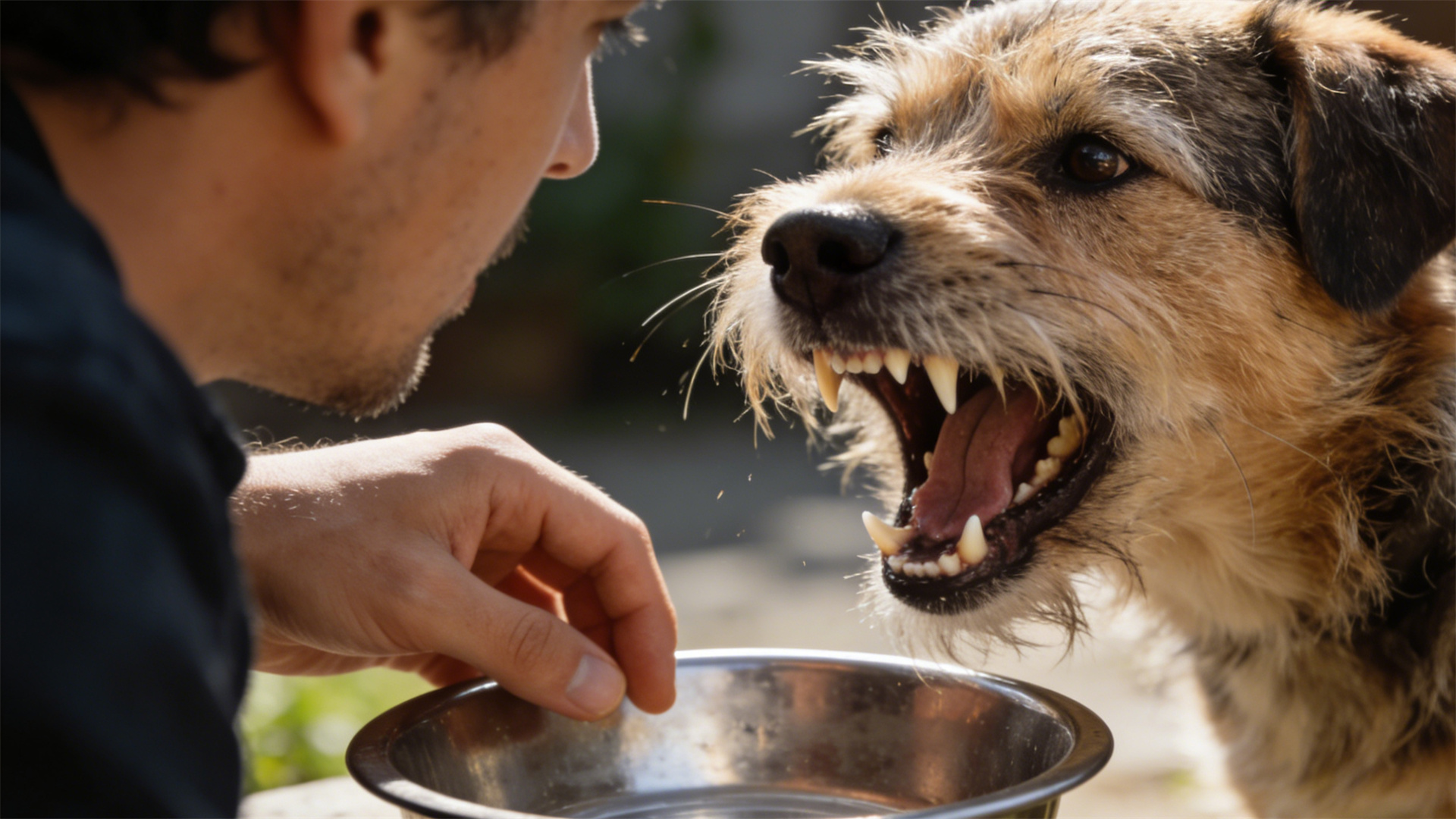
Level 4: Behavioral Modification and Psychological Counseling
The journey of canine companionship reaches its most profound stage when we move beyond basic obedience and address the complex inner world of our dogs. Canine behavioral modification and dog psychological counseling represent this advanced tier of understanding and intervention. This stage is not about teaching commands. It is a dedicated therapeutic process focused on diagnosing and rehabilitating deep-seated emotional and psychological disorders. It addresses the root causes of behaviors like aggression, severe anxiety, phobias, and compulsive disorders. Engaging in this level requires a shift from viewing a dog as "disobedient" to recognizing it as an individual experiencing significant distress. This article serves as a comprehensive guide for dedicated owners and aspiring professionals. It delves into the principles, techniques, and compassionate framework necessary for true severe dog behavior rehabilitation.
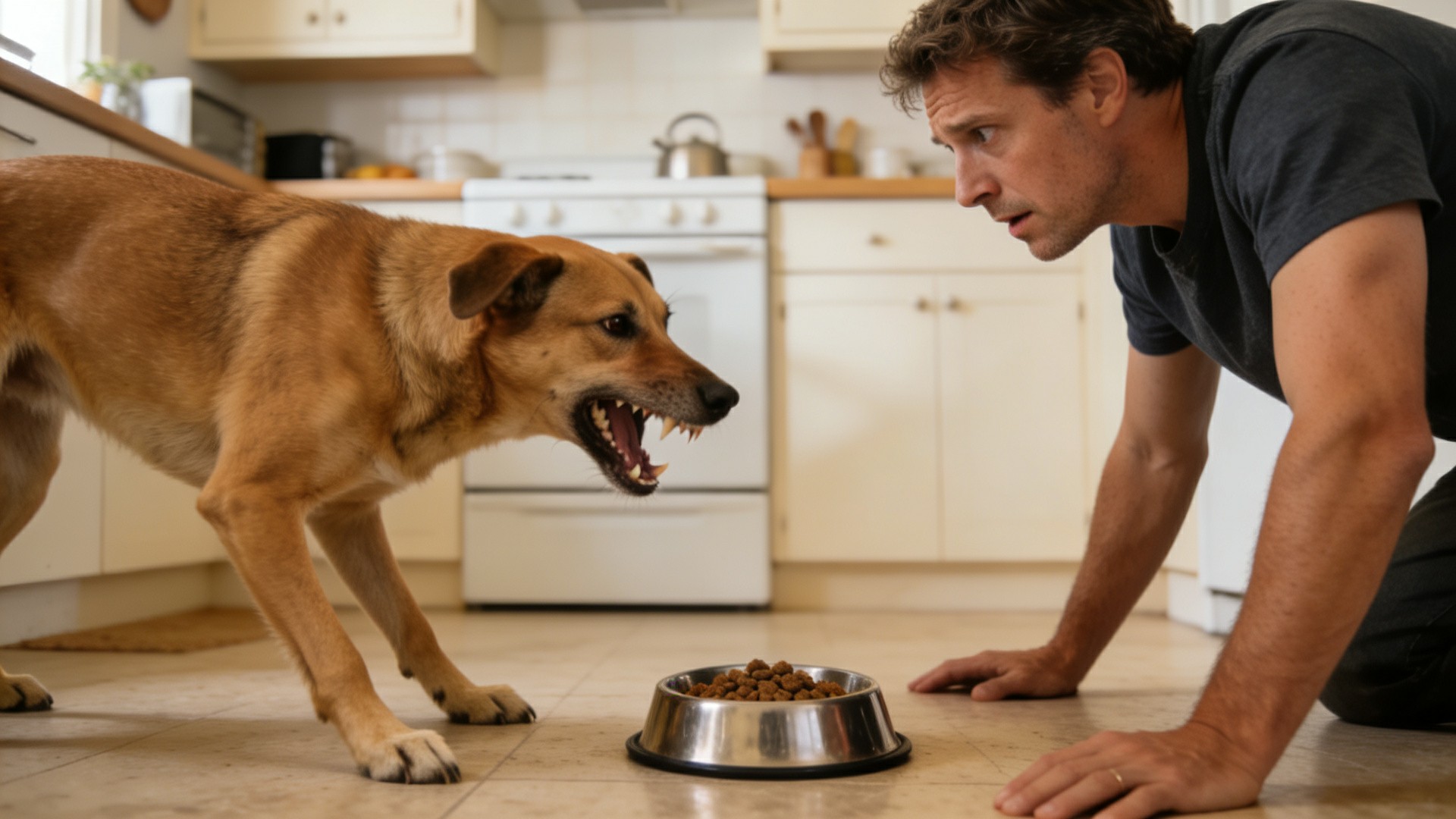
Refrain from food bowl guarding: Cultivate a "sharing" mentality in dogs from a young age.
In the harmonious home of a dog lover, few sounds are as jarring as a low growl emanating from the food bowl. Food bowl guarding is a common yet deeply concerning behavior that taps into a dog's most primal instincts. While rooted in natural survival mechanisms, when manifested in our living rooms, it can create tension, risk safety, and fracture the bond of trust. The good news? This behavior is not a life sentence. By understanding its origins and proactively cultivating a sharing mentality from the earliest age, we can guide our canine companions toward a mindset of relaxed abundance. This comprehensive guide will equip you with the knowledge and actionable strategies to prevent resource guarding, ensuring meal times are peaceful and your dog feels secure, not defensive.
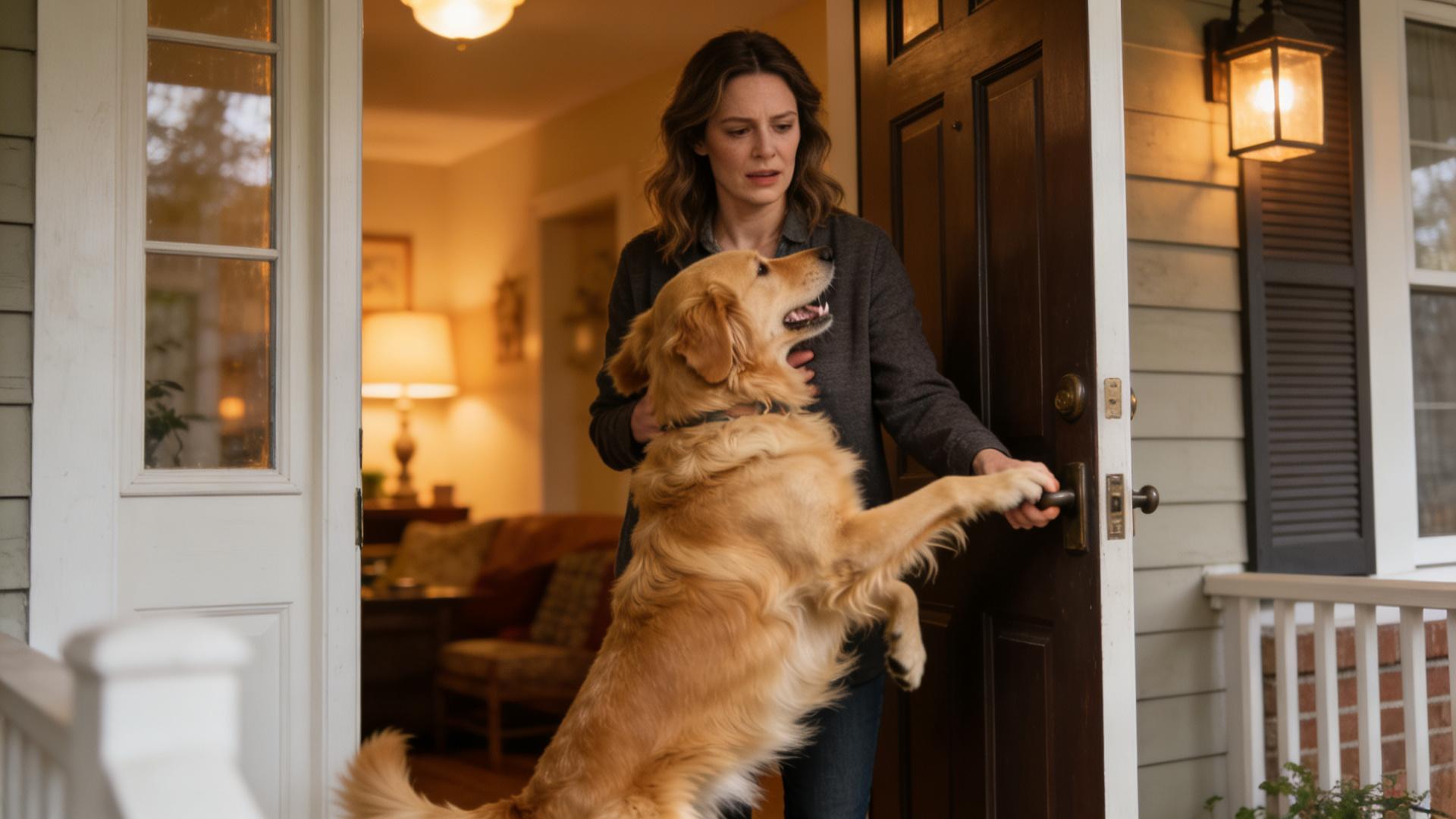
Refrain from jumping on people: Correcting a dog's social etiquette of jumping to greet people when excited.
For many dog owners, the joyful pitter-patter of paws is the soundtrack of homecoming. Yet, that joy can quickly turn to embarrassment or concern when those paws leave the ground and land squarely on a guest’s chest. A dog jumping to greet is a universal challenge, born from pure canine enthusiasm but fraught with social and safety implications. Correcting this instinctual behavior isn't about suppressing your dog's spirit; it's about channeling that excitement into a form of communication that humans understand and appreciate. This comprehensive guide delves into the why behind the jump and provides a detailed, step-by-roadmap for teaching a polite, four-on-the-floor greeting.
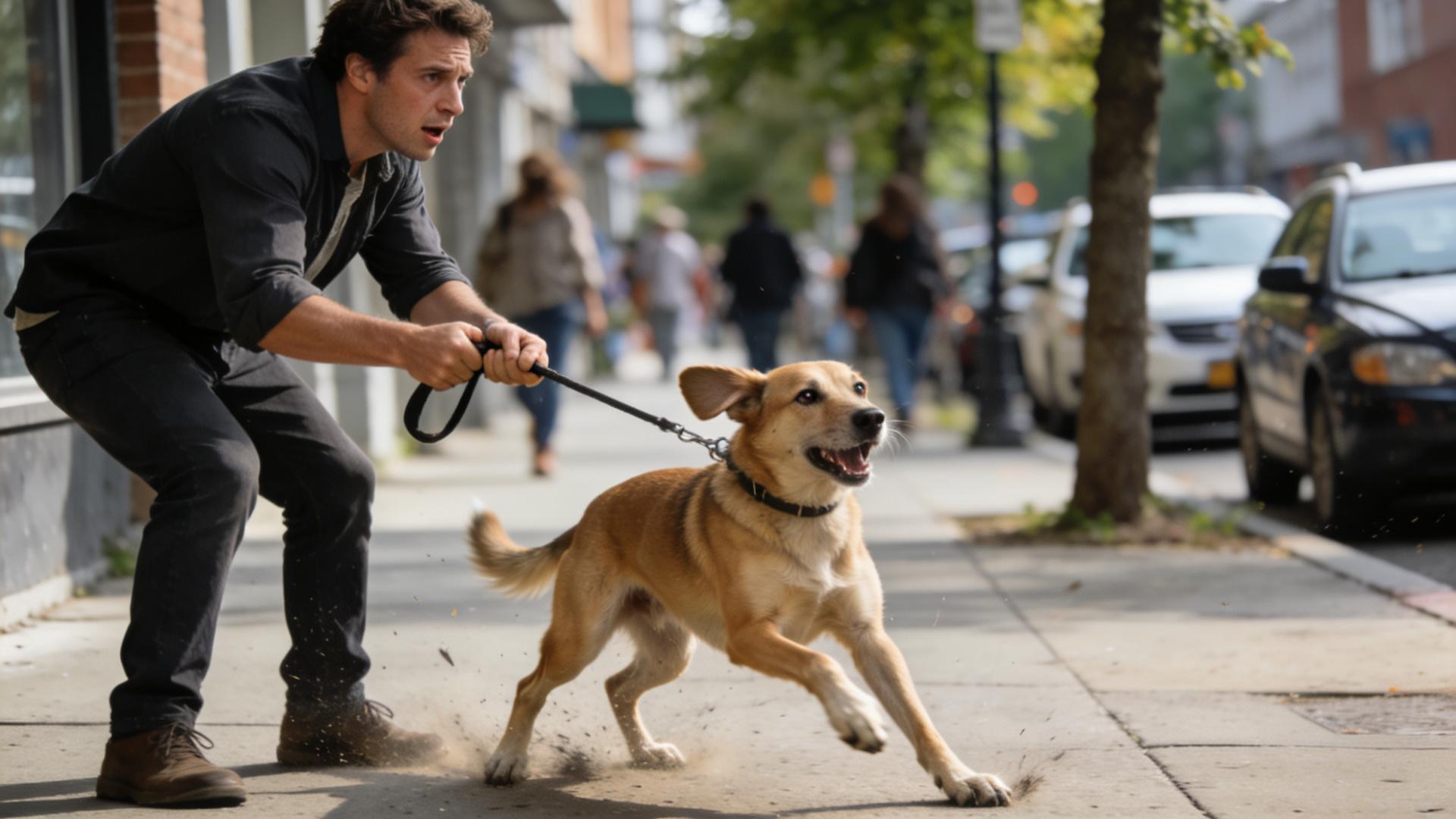
Automatic Sit: Train your dog to automatically sit when its owner stops.
You’re mid-walk, and you need to pause—to cross the street, greet a neighbor, or pick up after your dog. Instead of a calm stop, you’re met with a tangled leash, a dog leaning into their harness, or frantic sniffing at the exact spot you need to stand. This common walking challenge is more than just frustrating; it can compromise safety and control. What if, every single time you stopped moving, your dog instantly and politely sat by your side? This isn't a fantasy; it's the automatic sit, a foundational skill that transforms chaotic halts into moments of calm obedience.
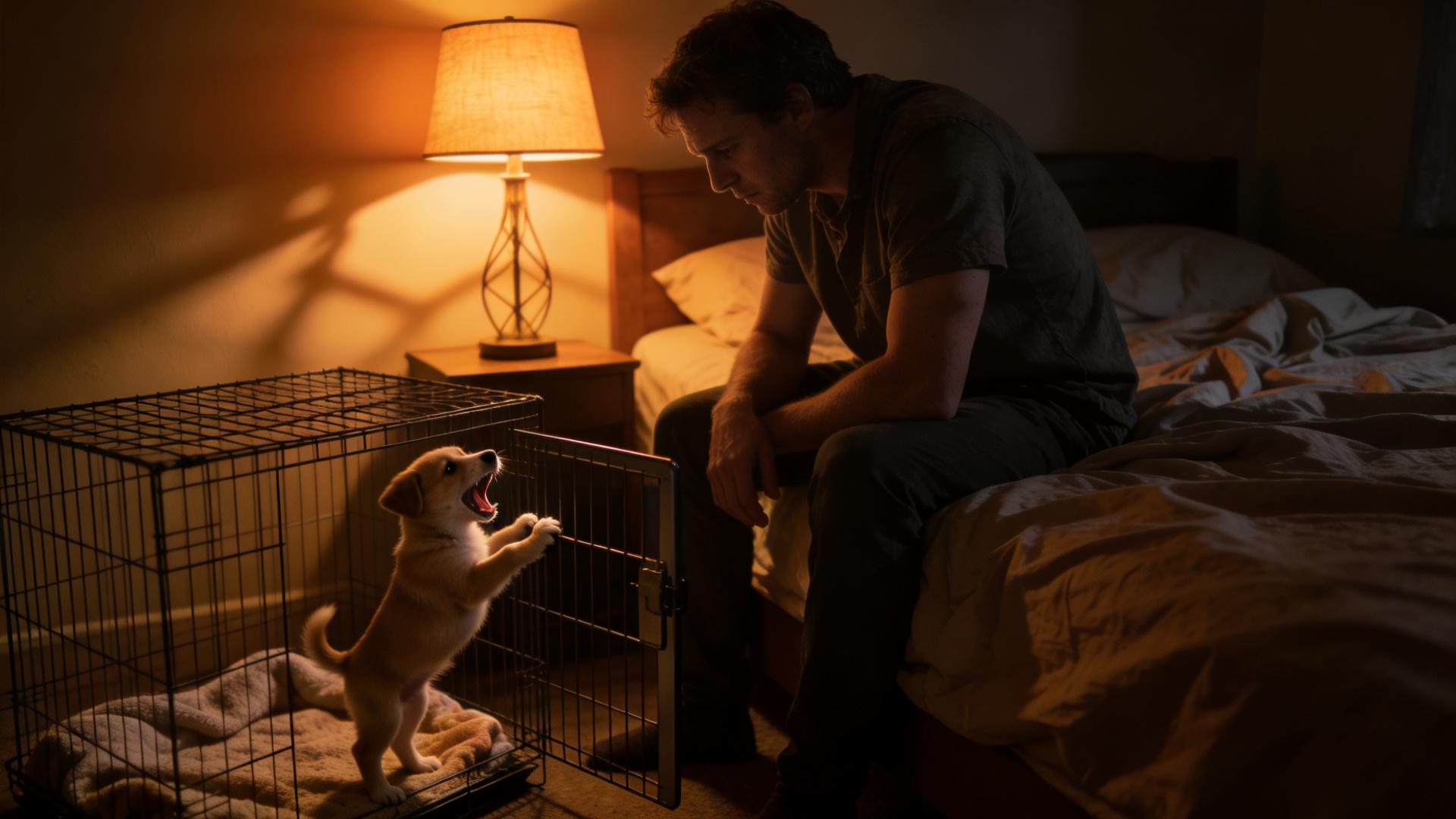
Puppy sleep habit training: solutions to nighttime barking and restlessness
Exhausted from puppy night waking? Our expert guide reveals the root causes of barking and restlessness and provides a proven, step-by-step training plan to finally get peaceful sleep for you and your new dog.