
You May Have Missed
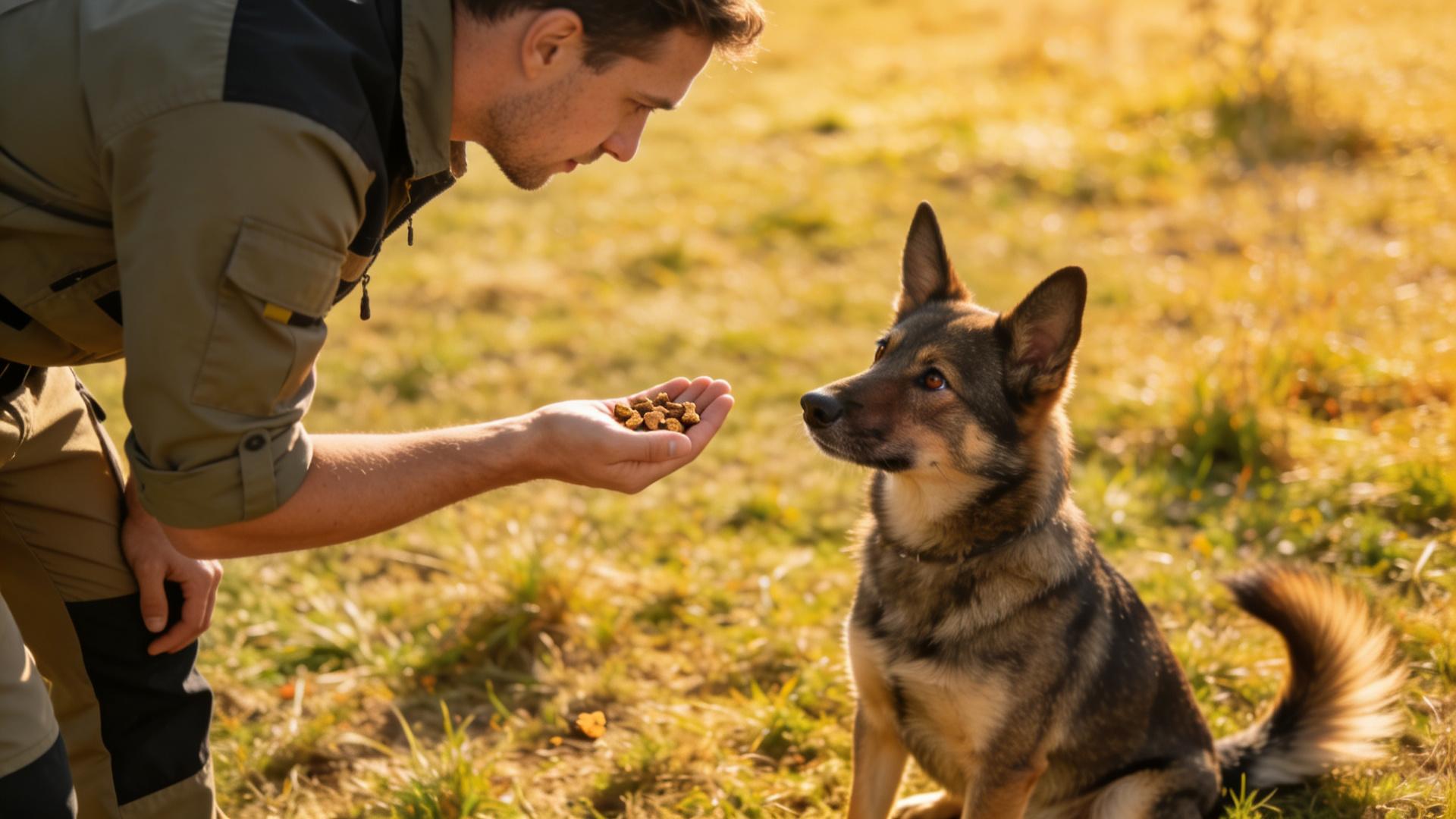
A diverse reward system: In addition to food, there are praise, petting, and toys.
At the heart of all effective dog training lies one crucial element: motivation. 🎯 Finding what truly sparks your dog's desire to learn and comply is the key to unlocking a harmonious partnership. While food is often the go-to for many owners, relying on a single reward type is like trying to build a house with only a hammer. To create a resilient, joyful, and responsive learner, you need a full toolbox. This is where cultivating a diverse reward system becomes your superpower. By strategically using food, praise, petting, and play, you can maintain your dog's high interest, cater to any training environment, and deepen your bond. Let's explore these four pillars of positive reinforcement that will transform your training sessions from repetitive chores into engaging games.
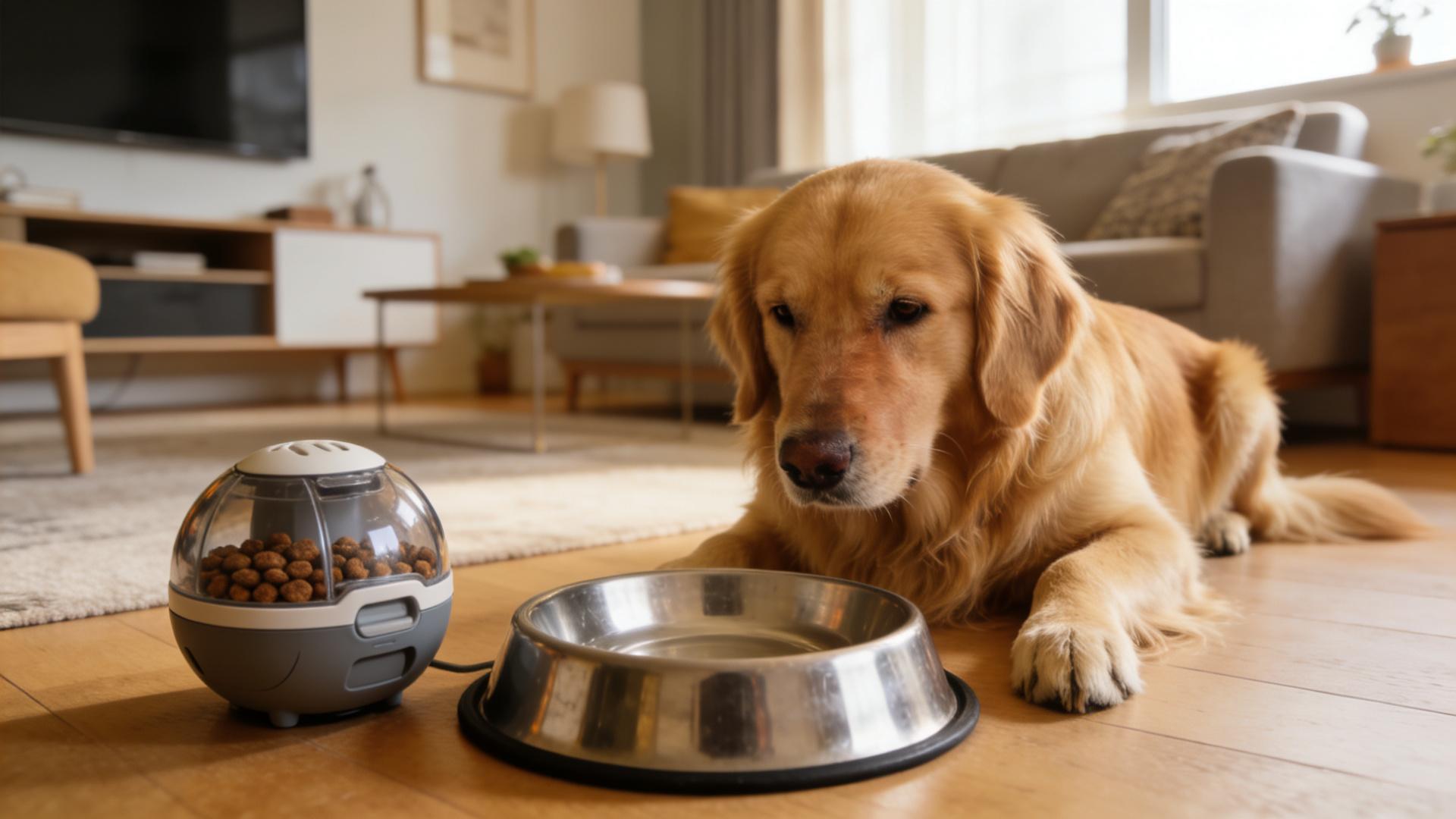
Tips for using a food-dispensing ball: prolong your dog's eating time and exercise their brain.
Does your dog inhale their dinner in seconds, only to look up with a bored, "What's next?" expression? 🐾 You're not alone. Rapid eating and under-stimulation are common canine complaints with potentially serious consequences. Enter the humble food-dispensing ball—a deceptively simple tool that can revolutionize your dog's daily routine. More than just a toy, it's a portal to enrichment, transforming a mundane meal into a rewarding, brain-engaging adventure. This comprehensive guide delves deep into practical, professional strategies to maximize this tool's potential. You'll learn to artfully slow down a speed-eater, provide essential mental exercise, and cultivate a happier, more fulfilled companion.
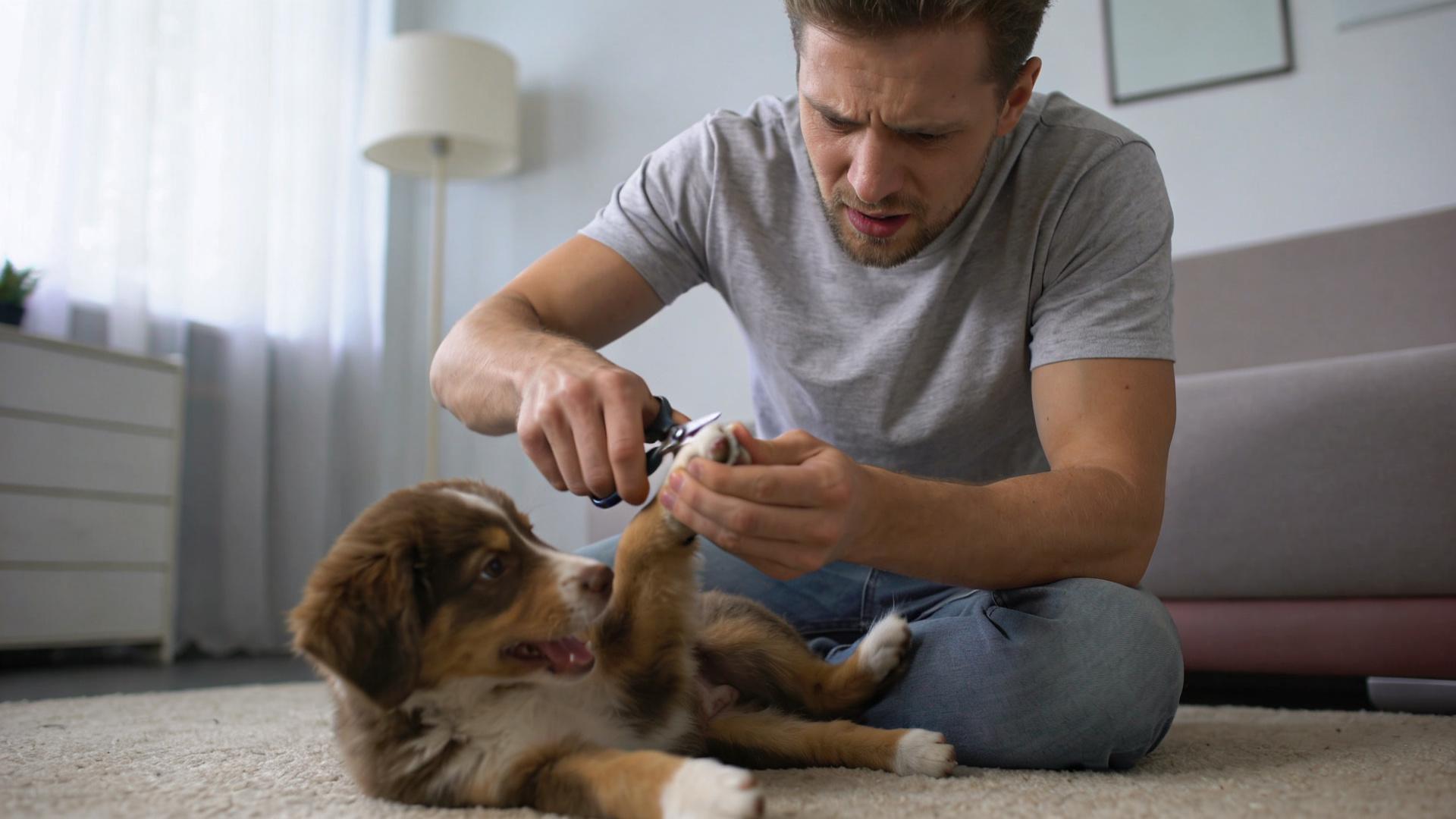
Medical desensitization training: Encourage puppies to cooperate with nail trimming and ear turning.
For countless puppy parents, the mere thought of nail trimming or ear cleaning can induce a wave of dread. What should be a routine part of healthcare often turns into a stressful wrestling match, filled with whimpers, squirms, and a frustrated owner. If this sounds familiar, you’re not alone. Many puppies view these necessary procedures with suspicion or outright fear. But what if you could transform these chores into moments of calm cooperation—or even enjoyment—for your pup? This is where the transformative power of medical desensitization training comes in. Rooted in science and compassion, this method uses patience, positive reinforcement, and a step-by-step approach to build unshakeable trust, encouraging your puppy to willingly participate in their own care. Let's explore how to turn grooming from a battle into a bonding experience.
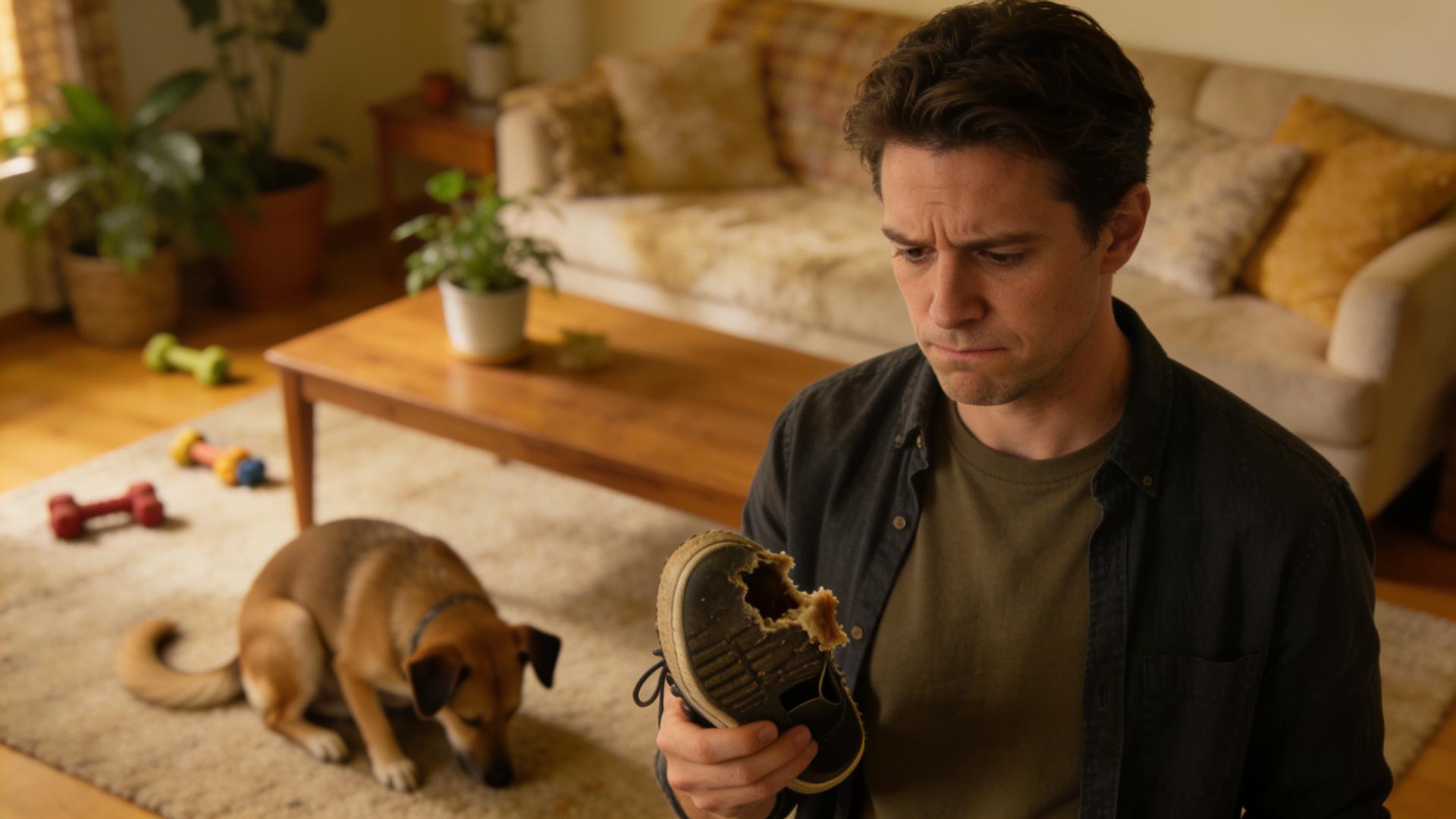
Side effects of punishment: Analyzing why corporal punishment can lead to more severe behavioral deviations
You are at the end of your rope. Your dog has chewed another shoe, barked relentlessly at a passerby, or had an accident on the rug for the third time this week. Frustration mounts, and a thought crosses your mind: "Maybe a firm physical correction is what they need to finally understand." This moment of desperation is a crossroads for countless dog owners. The intention is to stop the unwanted behavior, but the outcome is often a deeper, more complex problem. This article delves into the critical question: Why do harsh punitive methods so frequently backfire, creating more severe behavioral deviations than the original issue? We will analyze the unintended psychological consequences of punishment, providing a clear, science-based rationale for abandoning these methods in favor of ethical, effective training that builds trust instead of fear.
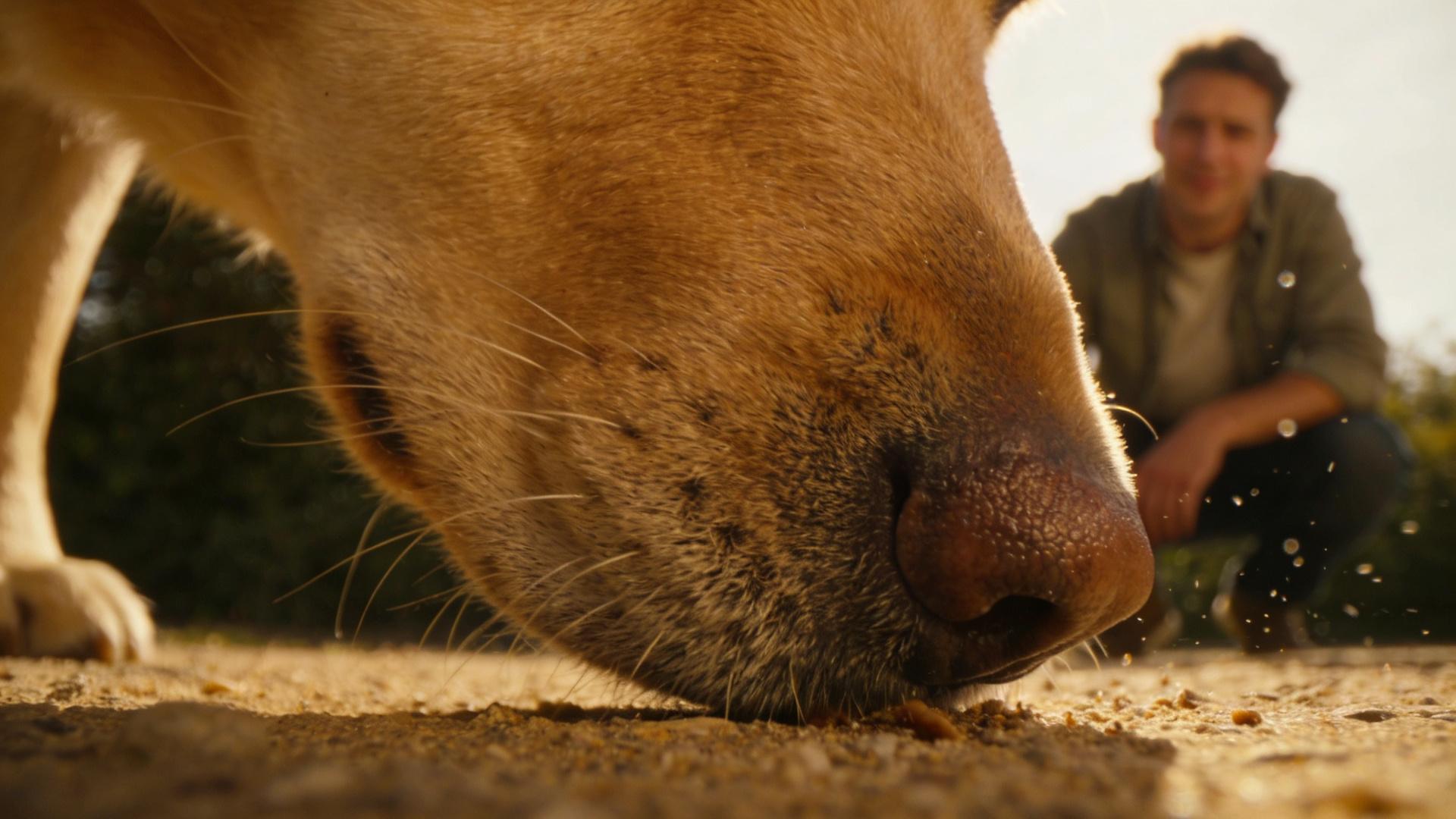
Smell and Confidence: Why do timid dogs need more smell training?
You see it every day. The lowered head, the tucked tail, the hesitant steps that seem to measure the safety of every inch of the living room. Your dog shrinks from visitors, startles at unfamiliar sounds, and seems to view the world as a minefield of potential threats. For these timid souls, life is lived in a constant state of low-grade alarm. But what if the key to unlocking their courage was right under their nose? A dog's primary window to the world is not their eyes, but their magnificent nose. Unlike the often overwhelming flood of visual and auditory information, scent is a sense they control, a language they are fluent in, and a pathway to calm. This article posits a powerful thesis: structured smell training is not just a game, but a transformative tool that can significantly reduce anxiety and build unshakeable confidence in shy dogs. We will explore the science behind this and provide a practical roadmap for you and your fearful companion.
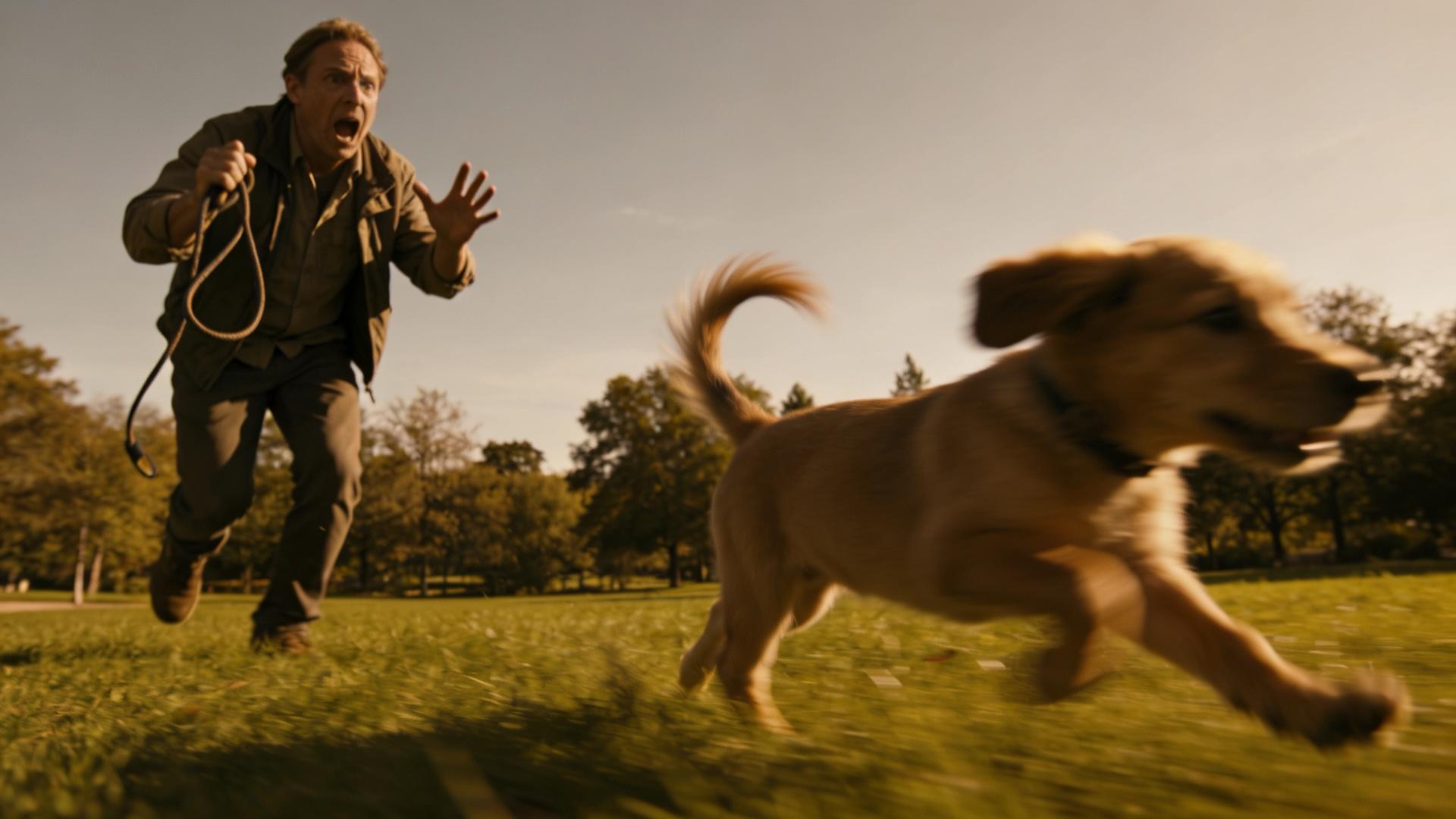
Puppy recall lesson one: Make it run to you no matter what.
Imagine this: your puppy’s leash slips from your hand at the park, or your front door swings open a moment too long. In that heartbeat, the single most important command you will ever teach your dog isn't just a trick—it's a lifesaving behavior. A reliable recall, the act of your dog coming to you instantly and joyfully, is the ultimate insurance policy. But this first lesson isn't about the word "come." It's about building an irresistible gravitational pull that makes your puppy sprint to you with unfiltered joy, every single time. We are not merely requesting an action; we are programming a reaction. This is the art and science of creating a foundation so strong that squirrels, smells, and other dogs simply can't compete. Let's begin.